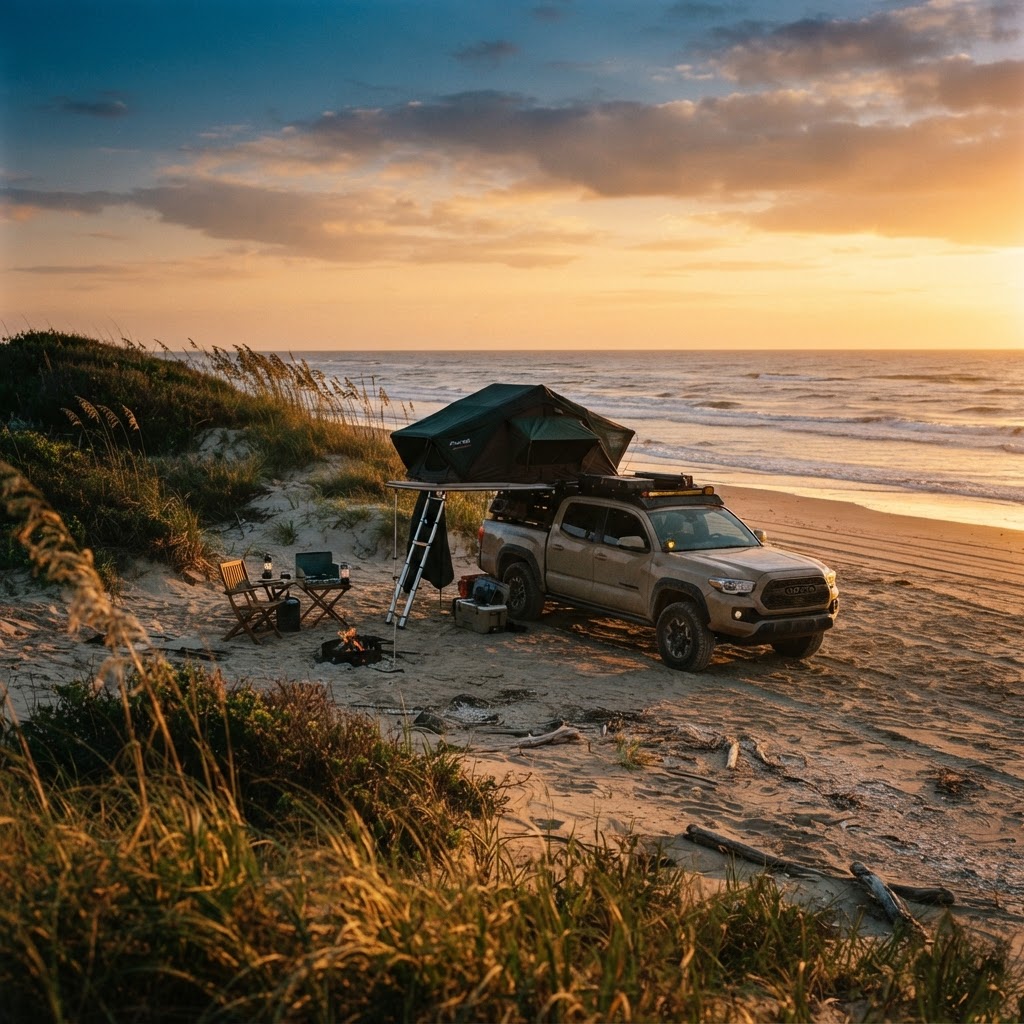
There is something primal about waking up to the rhythmic thrum of the Gulf of Mexico, with nothing but miles of protected coastline between your tailgate and the horizon. Padre Island National Seashore (PINS) remains the longest stretch of undeveloped barrier island in the world, a wild sanctuary where the salt air strips away the stresses of the inland grind and replaces them with pure, unfiltered coastal grit.
Why Padre Island National Seashore is a Camper's Paradise
Spanning 70 miles of Texas coastline, PINS isn’t your typical manicured campground with paved pads and manicured shrubs. This is a place for those who prefer the crunch of sand under their boots and the sound of wind whistling through the dunes. Whether you are hauling a teardrop trailer or a fully loaded Jeep, the Seashore offers a spectrum of experiences—from the relative luxury of established loops to the rugged solitude of the “big empty” down-island. It is a destination that demands self-reliance and respects those who come prepared to tread lightly while living large.
Malaquite Campground: Gulf-Side Views and Essential Amenities
If you’re looking to ease into the beach lifestyle without sacrificing the comfort of a hot shower or a leveled spot, Malaquite is your base camp. Perched behind the primary dunes, the campground offers 48 sites that provide a buffer from the direct blast of the coastal winds while keeping you within a short walk of the beach.
- Amenities: This is the only developed campground in the park. You’ll find restrooms, cold-water rinse stations, and designated spots for RVs and tents.
- The Vibe: It’s a community feel. You’ll find families grilling, surfers checking the tide charts, and off-roaders staging their gear for the trek further south.
- Pro Tip: Even though it’s a developed site, there are no electric hookups. Bring a reliable solar power bank or a dual-battery setup in your rig so you can keep your lights and music going through the night. Pour a cold drink into your 16oz Tropical Off-Road Adventure Beer Pint Glass as the sky turns orange—there is no better way to signal that you’ve successfully clocked out of the 9-to-5.
Bird Island Basin: The Ultimate Bayside Windsurfing Hub
While the Gulf side gets all the glory, the Laguna Madre—the shallow, hyper-saline lagoon on the west side of the island—is a world-class destination for windsurfers and kayakers. Bird Island Basin is the heartbeat of this community.
Camping here is primitive but offers a front-row seat to some of the best wind conditions in the United States. The water is shallow, warm, and remarkably clear, making it a dream for those who want to spend their days on the water and their nights under the stars. The wind can kick up to 20-plus knots here regularly, so ensure your tent stakes are heavy-duty sand anchors; standard aluminum pegs will be useless in the loose, shifting earth.
South Beach Primitive Camping: 4WD Access and Off-Grid Solitude
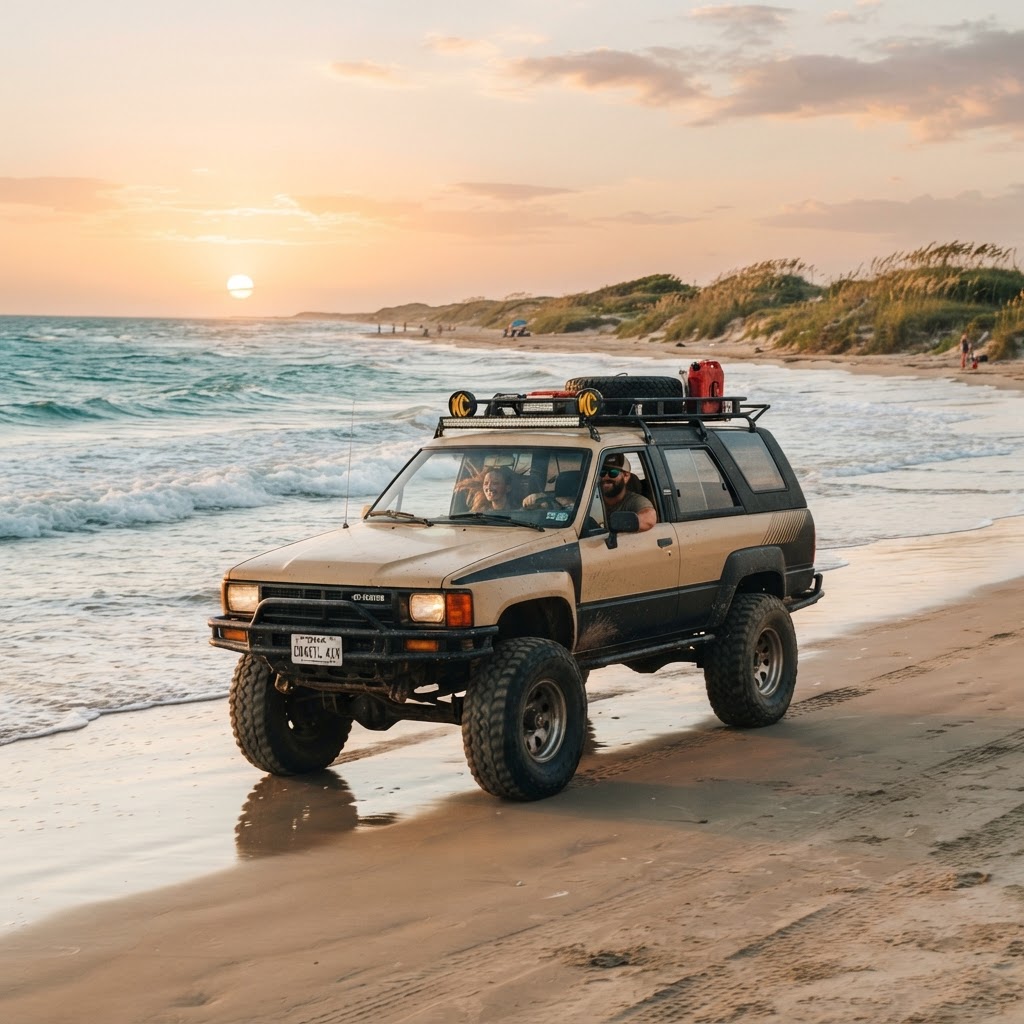
This is the holy grail for the true Salt Life enthusiast. Starting five miles south of the visitor center, the pavement ends, and the real adventure begins. South Beach is 60 miles of open, primitive camping where you drive onto the sand, pick your spot, and claim your slice of the Gulf.
- The Access: While much of the beach is passable in standard vehicles for the first few miles, the sand can turn soft and deep quickly. If you want to reach the pristine, untouched dunes 10 or 20 miles down, you need a 4WD vehicle with decent ground clearance.
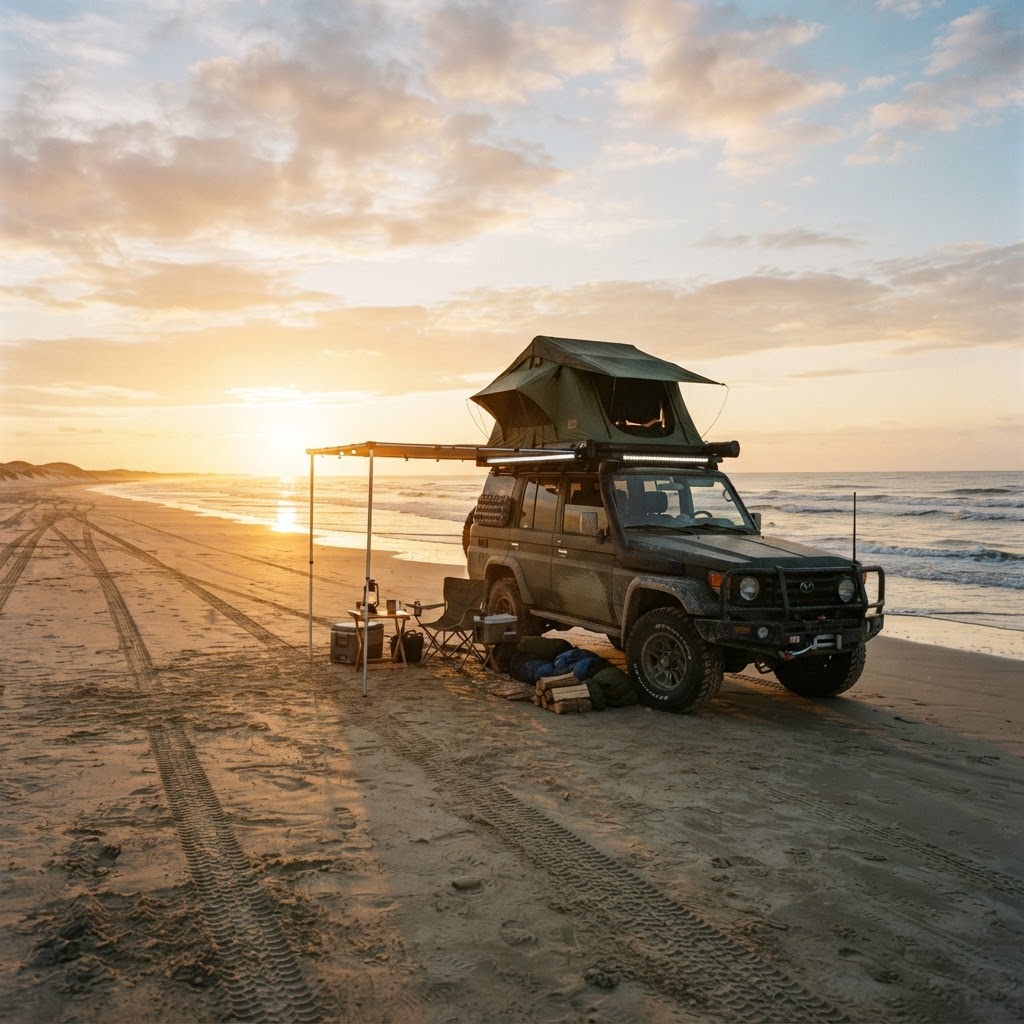
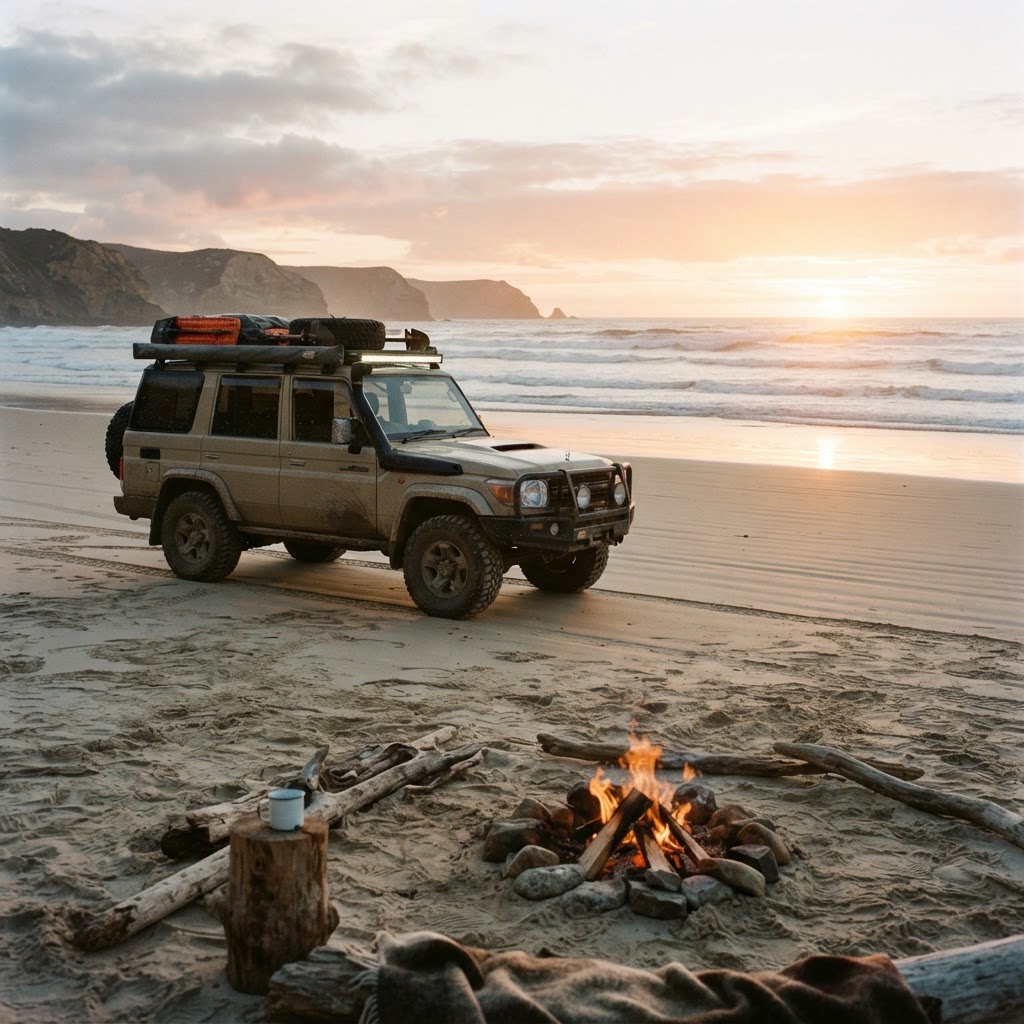
- The Experience: There are zero facilities. You must pack in your own water, fuel, and supplies. You must pack out every single piece of trash. This is true off-grid living, where your Jeep or truck becomes your anchor and your shelter.
- Safety: Always check the tide charts before you set up camp. Do not park too close to the high-tide line; the Gulf has a way of reminding you who is in charge during a full moon.
North Beach: Easy Access Primitive Camping Near the Entrance
If you’re arriving late at night or don’t want to commit to the long trek down the coast, North Beach offers a convenient compromise. Located just north of the Malaquite Visitor Center, this stretch allows primitive camping on the beach itself. It’s a great spot to park the rig, toss a chair in the sand, and pull on your Salty Roads™ Coastal Cruiser Logo Tee while you listen to the surf. It’s close enough to the main amenities that you can easily walk back for a restroom break or to grab a park map, but far enough from the crowds to feel like you’re actually “at the beach.”
Essential Gear and Off-Road Prep for Beach Driving
Driving on the beach is an art form, not just a matter of hitting the gas. Before you hit the dunes, lower your tire pressure. Dropping down to 18–20 PSI increases your tire footprint, helping you float over the soft stuff rather than digging a trench.
- Recovery Gear: Never head south of the pavement without a shovel, traction boards (like MaxTrax), and a kinetic recovery rope. Even the most seasoned overlander can get buried in PINS sand if they hit a soft patch at the wrong speed.
- The Essentials: Beyond the truck, pack light but pack right. You’ll want comfortable, quick-drying apparel that handles the humidity. Wearing a Sunset Surf Run T-Shirt is basically a uniform down here—the material breathes when you're working on the truck, and the design fits right in with the dune-jumping aesthetic.
- Sun Protection: The reflection off the sand and water doubles your sun exposure. Pack a wide-brimmed hat, polarized sunglasses, and enough high-SPF sunscreen to keep a small army protected.
Weather, Wildlife, and the Best Time to Visit
The beauty of PINS is its volatility. The shoulder seasons—late spring (April/May) and fall (October/November)—are the sweet spots. In the summer, the heat can be oppressive, and the seaweed (sargassum) can occasionally pile up on the shore, though the park service works hard to keep popular areas clear.
A Note on Wildlife
You are sharing this space with protected residents. Kemp’s ridley sea turtles often nest along these shores, and the dunes are delicate ecosystems. Always stay on designated driving paths where marked, and never drive on the vegetation. If you see a turtle or a nesting area, give it a wide berth and contact the visitor center.
The Midnight Check
Before you crawl into your sleeping bag, do a final “perimeter check.” Ensure your gear is secured, as the coastal winds can whip up in an instant, and double-check your camp stove is cold. Then, settle back, grab your 16oz Tropical Off-Road Adventure Beer Pint Glass, and look up. With zero light pollution for miles, the Milky Way looks like it’s close enough to touch. That, right there, is why we make the drive. It’s salty, it’s wild, and it’s the best camping you’ll ever find on the Texas coast.