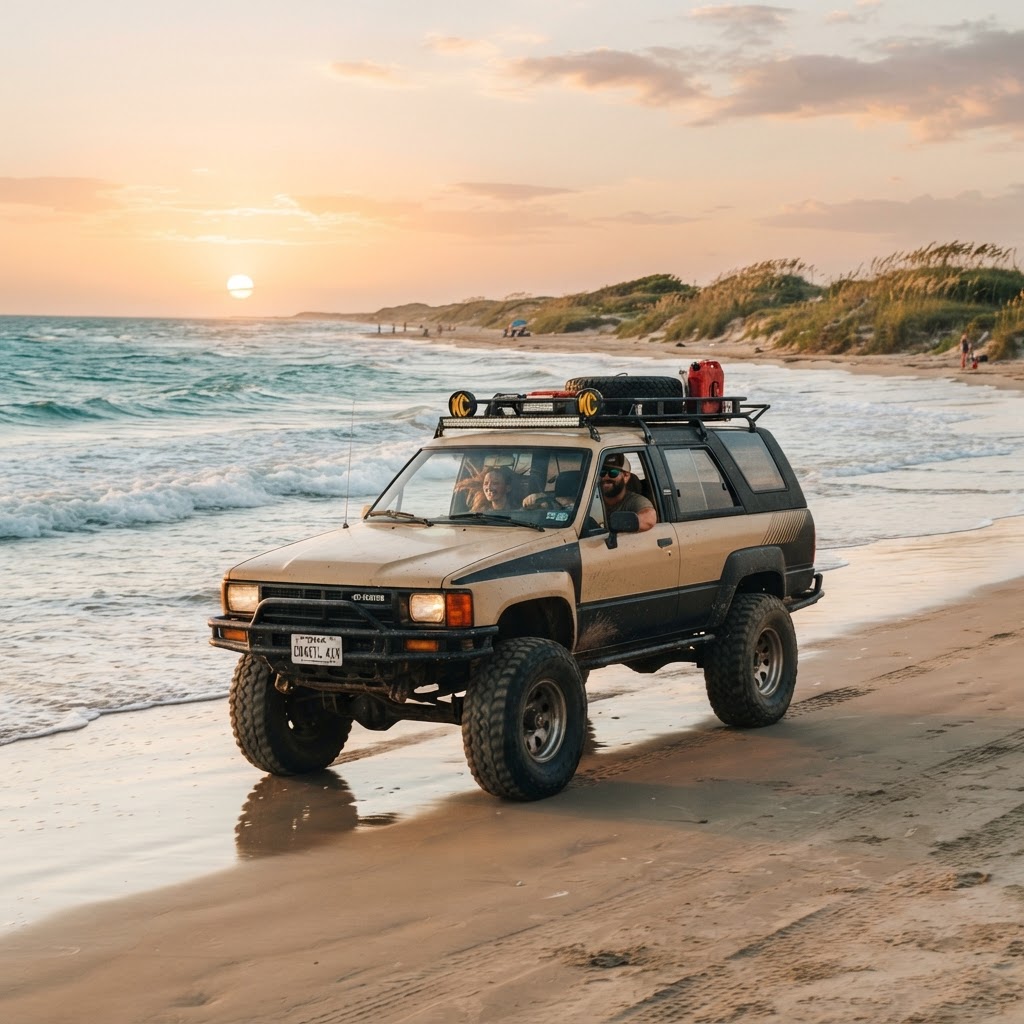
August on the Texas coast is a masterclass in extremes, where the Gulf of Mexico turns into a warm, bath-like playground and the sun demands total respect from those daring enough to hit the sand. Whether you are prepping your rig for a trek to the remote stretches of South Beach or setting up a canopy for a long, lazy weekend, understanding the Padre Island beach conditions August landscape is the difference between a legendary trip and a total washout.
August 2026 Weather & Peak Water Temperatures
As we move into mid-to-late August 2026, Padre Island is sitting at the peak of its thermal cycle. You can expect air temperatures hovering consistently between 92°F and 96°F, with heat indices pushing well into the triple digits. The water is the real story, however; it’s thick, warm, and inviting, with surface temperatures regularly hitting 86°F to 88°F.
This thermal intensity creates a unique rhythm for the day. The "golden hours"—just after dawn and the hour before sunset—are your best friends. During the mid-day heat, the sand becomes a literal broiler; if you’re planning on setting up a beach camp, your tire pressure and cooling system aren’t the only things that need attention. The humidity is heavy, so staying hydrated is mandatory. Pack your 16oz Tropical Off-Road Adventure Beer Pint Glass for that post-drive sunset toast; it’s heavy-duty enough to handle the salt air while you cool down with a crisp beverage once the sun finally dips below the horizon.
Jellyfish Season: Man O' War Warnings and Sting Safety
August is arguably the most active month for the Portuguese Man O' War along the Padre Island National Seashore (PINS). These vibrant, gas-filled drifters thrive on the warm currents and prevailing southeasterly winds that push them directly onto the surf line.
How to Identify and Avoid
- The Look: Look for the signature iridescent blue or purple floats bobbing in the wash. Even if they appear "dead" or dried out on the sand, the nematocysts (stinging cells) remain active for days.
- Safety Protocol: Never walk barefoot on the wet sand during high-tide periods in August. Wear protective footwear at all times.
- The "Salty" Reality: If you do get stung, vinegar is your primary ally. Skip the old wives' tales about urinating on the sting; carry a small bottle of household vinegar in your first-aid kit to neutralize the cells before scraping them away with a credit card or a piece of hard plastic.
Rip Currents and NOAA Surf Zone Forecasts for Late Summer
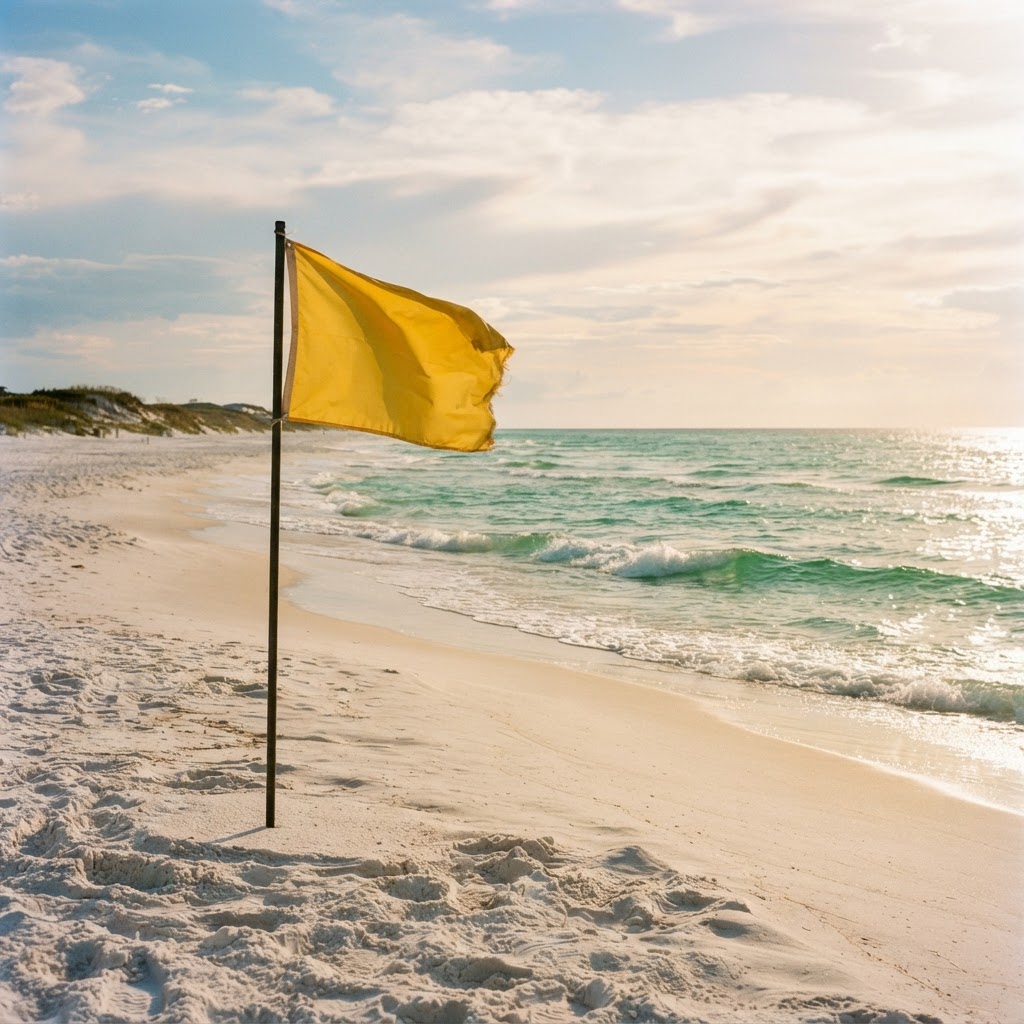
While the Gulf often appears flat and docile in August, the lack of visible crashing waves can be deceptive. The Texas coast is notorious for "hidden" rip currents that form even on days that look like a lake.
Before you head onto the sand, always consult the NOAA Surf Zone Forecast specific to the Padre Island / Corpus Christi region. Pay close attention to the "Rip Current Risk" designation. Even on a low-risk day, the deep troughs that form parallel to the shore—often carved out by recent weather patterns—can sweep an unsuspecting swimmer into a channel moving away from the beach. If you find yourself in a rip, do not fight the current. Swim parallel to the shore until you break free from the pull, then angle back toward the beach. If you’re wearing your Salty Roads™ Kraken Edition T-Shirt, you’ll at least look the part of a seasoned mariner, even if you’re just trying to keep your feet planted in the sand.
4WD Access and Sand Conditions on South Beach
The first five miles of the PINS South Beach are usually well-packed, but as you push deeper into the 60 miles of protected coastline, the sand gets soft, deep, and unpredictable. August is a dry month, and that spells trouble for two-wheel-drive vehicles. As the sand loses its moisture content, it becomes "sugar sand"—a fine, loose powder that will bury a standard passenger car in seconds.
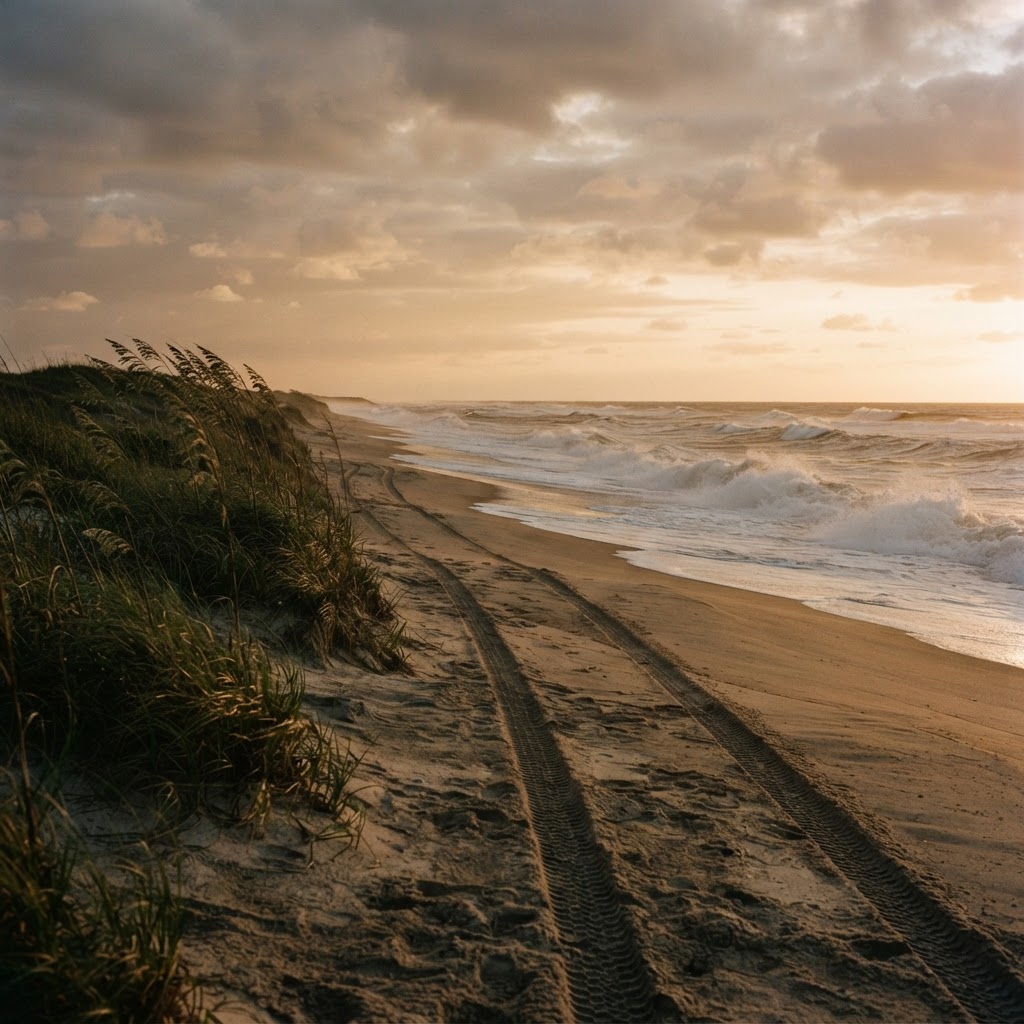
For those heading out, drop your tire pressure to 18–20 psi. This increases your contact patch and prevents you from digging trenches. Stick to the "tide line"—the area between the soft, dry sand and the hard, wet sand. Never drive into the dunes; they are protected habitats, and the fine sand behind them is a trap for even the most capable 4x4s.
Navigating Yarborough Pass and Remote Beach Driving
If you’re planning on tackling the trek to Yarborough Pass, you’re moving into true expedition territory. This is where the landscape changes, and the beach becomes narrow and heavily rutted.
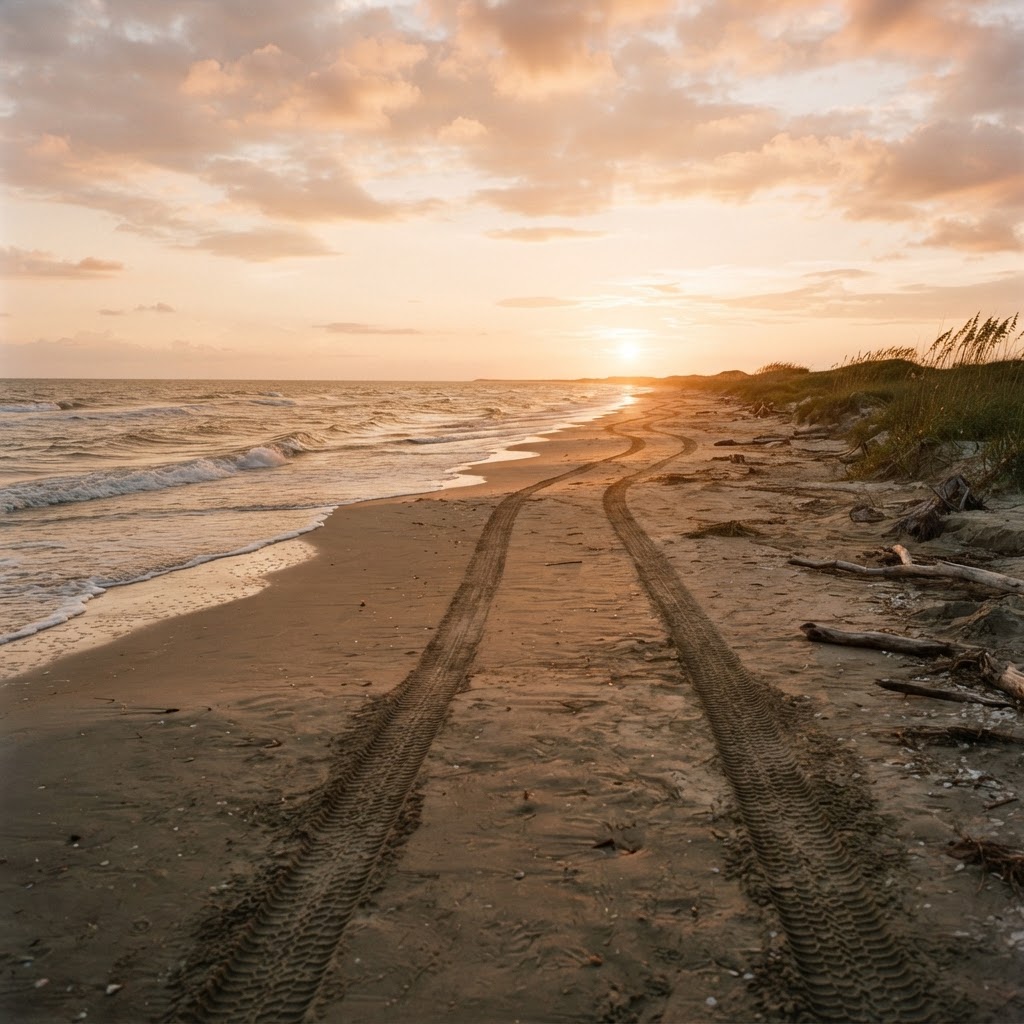
- Tide Timing: Yarborough Pass is sensitive to tide levels. If you attempt the passage during a high tide, you may find the gap between the surf and the dune wall has vanished entirely. Always time your passage for low tide.
- The "Mud" Factor: Don't let the word "sand" fool you. In the low-lying areas around the pass, hidden pockets of soft, clay-like mud can sit under a thin layer of dry sand. It’s a classic "Texas trap." Maintain steady momentum, but don't over-throttle. If you feel your wheels spinning, stop immediately. Reverse slowly, clear the ruts, and try again with a different line.
- Self-Reliance: There is no cell service this far down. Tell someone exactly where you are going and when you expect to return.
Essential Off-Road and Safety Gear for a Late Summer Trip
When you’re an hour of driving away from the nearest paved road, your gear isn't just an accessory; it’s an insurance policy.
The Mandatory Loadout
- Recovery Boards: In the deep, dry August heat, your tires are going to slip. Having a set of traction boards is non-negotiable for solo explorers.
- Air Compressor: Never rely on the gas station air at the entrance to inflate your tires for the drive home. You need a dedicated, high-flow portable compressor to get back to road-ready pressure.
- Shovel & Kinetic Rope: A standard long-handled shovel is better than a folding spade for clearing sand away from your axles. Pair that with a kinetic recovery rope—not a steel chain—to allow for a "stretch and snap" that won't shock your chassis.
- Apparel: You want fabrics that breathe, wick moisture, and don’t trap the heat. The Sunset Surf Run T-Shirt is designed for the off-road lifestyle; it’s built to handle the grit of a beach camp while keeping you cool as the humidity peaks.
August on Padre Island is raw, beautiful, and demanding. It rewards those who come prepared with the right rig, the right gear, and a healthy respect for the Gulf’s moods. Keep your eyes on the surf, your tires on the tide line, and your spirits high—this is the peak of the coastal season, and it’s meant to be lived in the dirt and the salt.