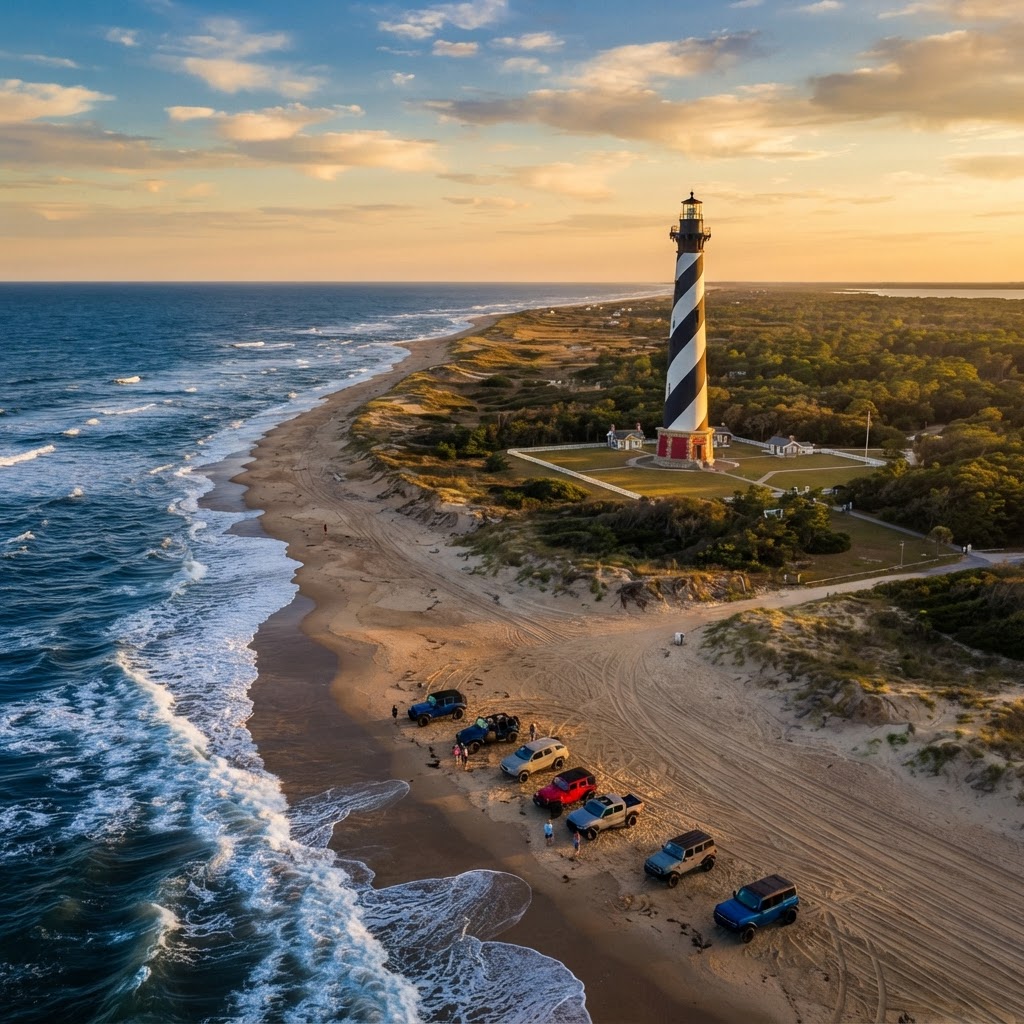
The lure of Cape Hatteras is undeniable – miles of wild, windswept beaches, the iconic lighthouse standing sentinel, and the constant rhythm of the Atlantic. But as any seasoned Salty Roads traveler knows, a little preparation goes a long way in ensuring your island escape is all sun and no stress. With some important infrastructure work happening in August 2026, it's time to get savvy about your beach access and safety.
August 2026 Buxton Groin Repair: What You Need to Know
This August, a critical piece of beach infrastructure is getting some much-needed attention. The Buxton groin, a man-made structure designed to protect the shoreline from erosion, is scheduled for repairs. Groins are vital for maintaining beach width and preventing our beloved shores from washing away, but they also influence local currents and can impact beach access during construction.
The National Park Service (NPS) is overseeing this project, and while exact dates can shift with weather and contractor schedules, the primary work is slated for August 2026. Expect to see construction equipment, potential noise, and, most importantly, designated closure areas around the active repair site. The NPS will clearly mark these zones for your safety. Access to beaches immediately adjacent to the groin may be restricted for a significant portion of the month, potentially impacting popular access points in Buxton. Always be on the lookout for official signage and heed the instructions of park rangers and lifeguards. This work is essential for the long-term health of the Cape Hatteras beaches, ensuring they remain a paradise for generations to come.
Navigating the Closures: Where to Swim Instead in Cape Hatteras
Don't let the Buxton groin repair dampen your beach spirits! Cape Hatteras National Seashore is a vast and beautiful stretch of coastline, and there are plenty of fantastic alternatives for your seaside adventures. The key is to know your options and plan accordingly.
If you were planning on spending time near Buxton, consider heading north or south along Hatteras Island.
-
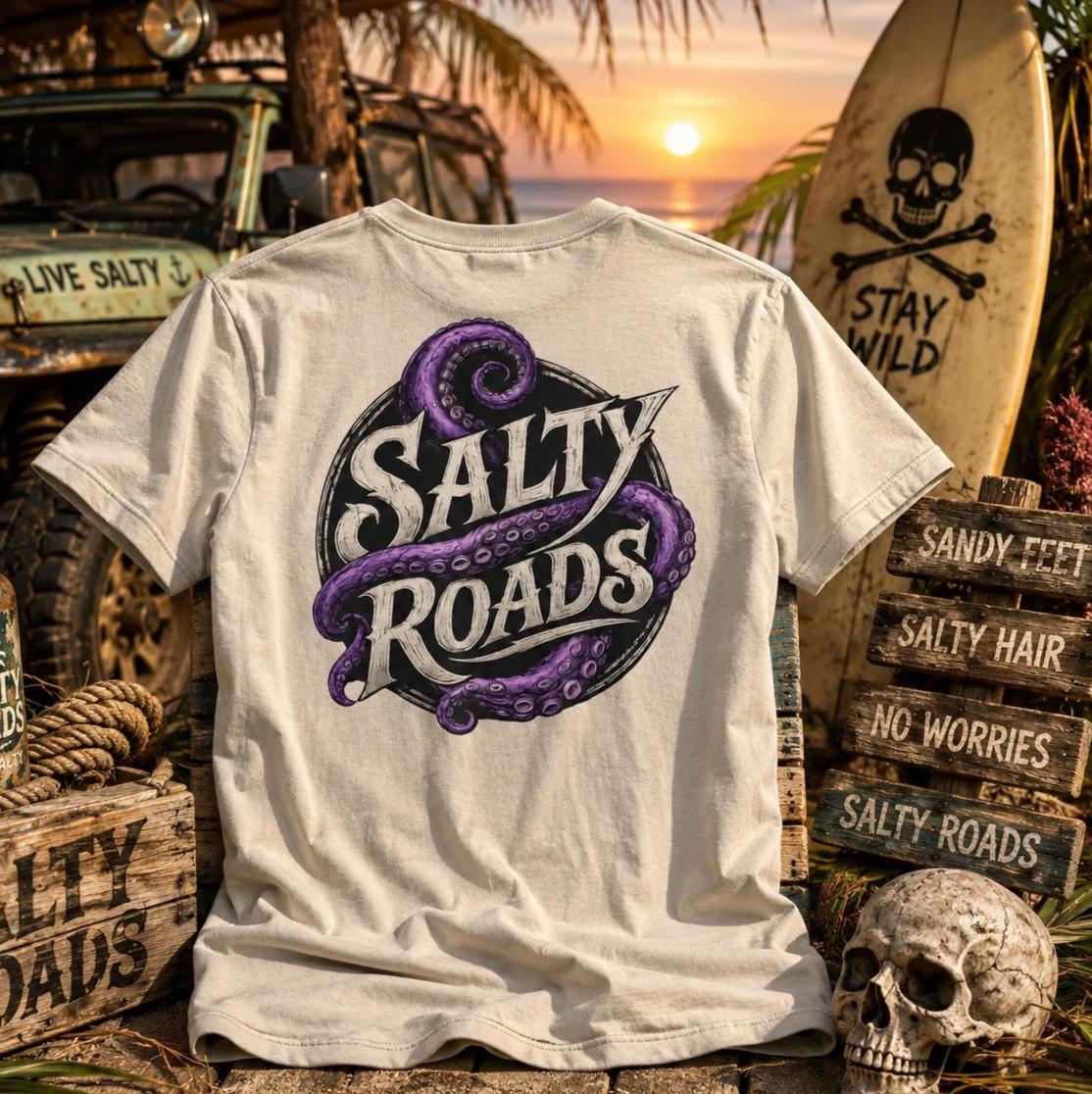
North of Buxton (towards Avon): The beaches in Avon often provide excellent access and ample space. You'll find plenty of public access points here, many with convenient parking and some even offering amenities like restrooms and showers. The waves here can be fantastic for surfing or bodyboarding. Pack your Salty Roads™ Coastal Cruiser Logo Tee for those sunny days exploring new stretches of sand.
-
South of Buxton (towards Frisco and Hatteras Village): The beaches in Frisco are known for their more rugged, natural beauty and can be less crowded. This area is also a prime spot for shelling and enjoying the peace of undeveloped coastline. Hatteras Village, while a bit more developed with shops and restaurants, also offers access to lovely stretches of beach.
-
Ocracoke Island: For a true adventure, consider a ferry trip over to Ocracoke Island. While it requires a bit more planning (check ferry schedules!), Ocracoke offers a distinctively charming, laid-back beach experience with fewer crowds and a unique island vibe. The beaches here are stunning and feel a world away.
Pro Tip: Before you head out, always check the official Cape Hatteras National Seashore website or visit a local visitor center for the most up-to-date information on beach access and any temporary closures. Don't be afraid to ask a ranger for their local favorites – they know the best spots!
Decoding Outer Banks Rip Current Flags (Red, Yellow, and Purple)
Understanding the flag system is paramount to beach safety on the Outer Banks, and Cape Hatteras is no exception. These flags are your first line of defense against the powerful ocean. Rip currents are a natural part of the ocean environment, and while they can be dangerous, knowing how to spot the warning signs and understanding the flags will significantly enhance your safety.
-
Red Flag (High Hazard): This means strong currents and dangerous surf conditions. Swimming is highly discouraged. If you see a red flag, it's best to stay out of the water or stick to very shallow areas where your feet can touch the bottom.
-
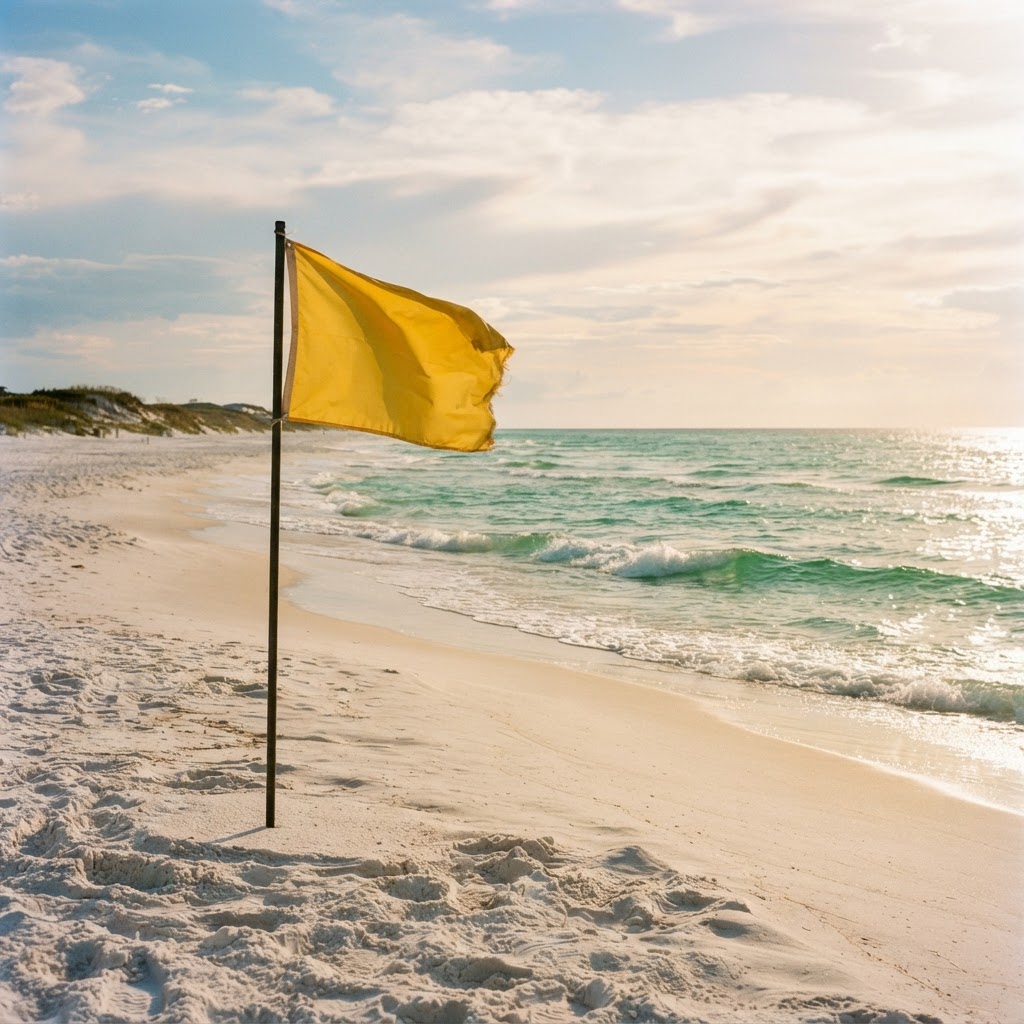
Yellow Flag (Medium Hazard): This indicates moderate surf and current conditions. Swimmers should exercise caution. While swimming is permitted, it’s crucial to be aware of your surroundings, stay close to shore, and never swim alone.
-
Purple Flag (Marine Life Hazard): This flag signifies the presence of dangerous marine life, such as jellyfish, sharks, or stingrays. While not directly related to currents, it’s still a strong warning to be cautious in the water.
Important Note: Sometimes you'll see double red flags. This means the beach is CLOSED to the public due to extreme hazards. Always respect these closures.
Beyond the colored flags, look out for Green Flags. While not always posted, a green flag generally indicates calm conditions and low hazard. However, even on calm days, rip currents can still form, so vigilance is always key.
The Low Tide Trap: When Outer Banks Rip Currents Are Strongest
Many beachgoers associate rip currents with stormy weather and high surf. While those conditions certainly exacerbate the danger, the Outer Banks rip currents can actually be most treacherous during seemingly calm, low tide periods. This is a critical piece of knowledge that can save lives.
Here's why the low tide can be a trap:
-
Concentrated Water Flow: As the tide recedes, vast amounts of water are pulled back towards the ocean. This outflow often concentrates into narrower channels between submerged sandbars. These channels become powerful "rivers" of water, creating strong rip currents.
-
Less Obvious Channels: At low tide, sandbars that might normally break up incoming waves and dissipate current energy can be exposed or become less effective. The water then flows more directly offshore through these exposed channels.
-
Misleading Calm: The surface of the water might appear deceptively calm and inviting at low tide, lulling swimmers into a false sense of security. They may not perceive the strong undertow pulling them out.
When to Be Extra Wary:
- The hours surrounding low tide: Pay particular attention to the outgoing tide.
- Areas with noticeable sandbars: Look for breaks in the surf line that indicate submerged channels.
- "Calm" patches surrounded by rougher surf: These might be areas where a rip current is forming.
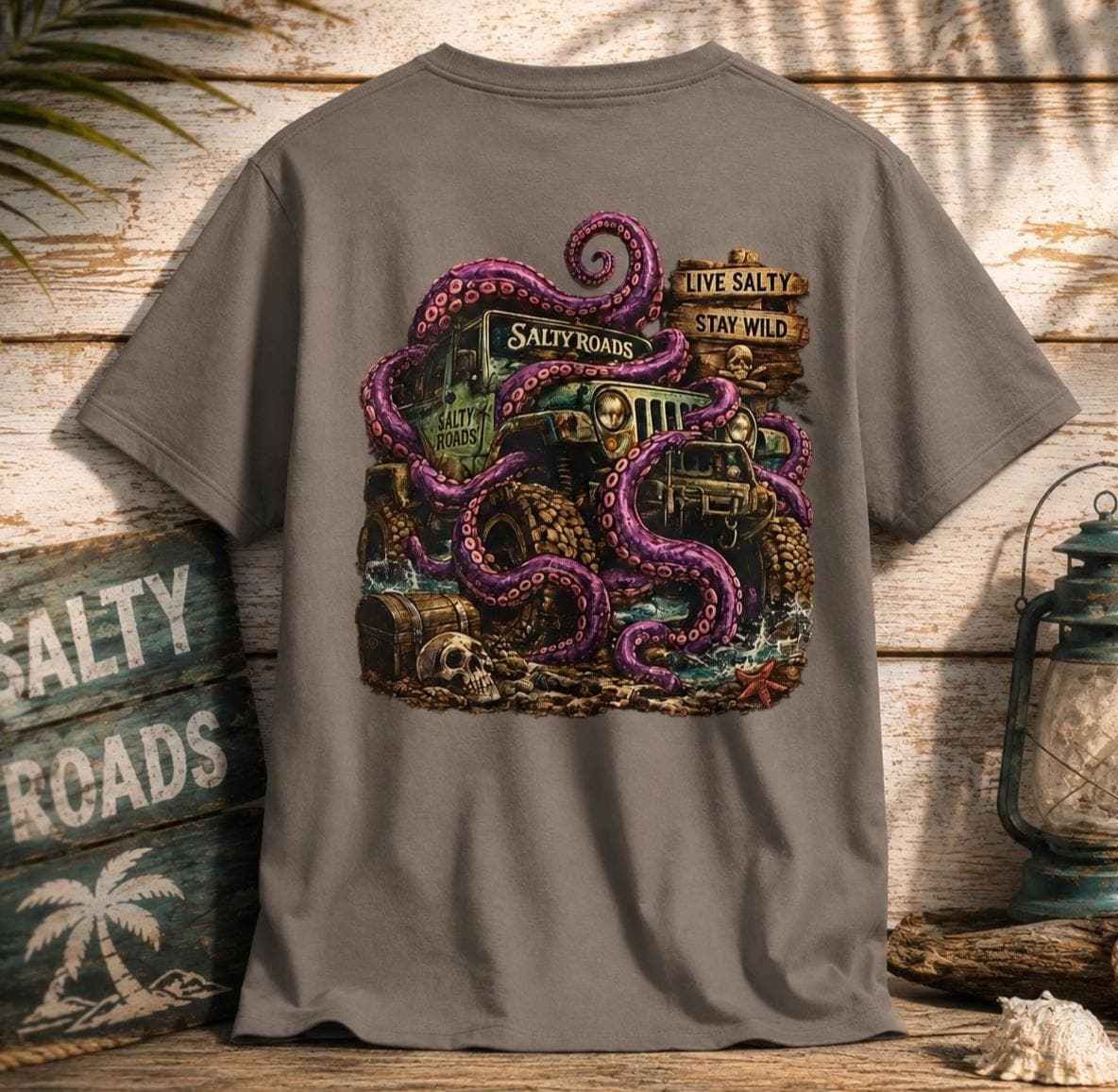
This is where a Salty Roads Island Escape T-Shirt – Tropical Beach Sunset Jeep Graphic Tee becomes more than just beachwear; it’s a reminder of the relaxed vibe you’re seeking, but also a prompt to be mindful of the ocean’s power, even when it seems placid.
How to Survive a Rip Current: Essential Escape Tactics
The best defense against a rip current is to avoid getting caught in one in the first place by observing the flags and conditions. However, if you find yourself caught, panic is your enemy. Staying calm and knowing what to do is crucial.
-
Don't Fight the Current: The most common mistake is to try and swim directly against the rip current. This is a losing battle, and you will exhaust yourself quickly. Remember, rip currents are strong, but they are also usually narrow.
-
Swim Parallel to the Shore: The rip current will eventually dissipate. The quickest way to escape its pull is to swim perpendicular to the current – which means swimming parallel to the shoreline. Aim to swim out of the main flow of the rip and then back towards the beach.
-
Float or Tread Water: If you are too tired to swim parallel, simply float or tread water. Conserve your energy. The rip current will likely pull you only a short distance offshore before losing its strength. Once it weakens, you can then swim parallel to shore.
-
Signal for Help: If you are unable to swim to shore, stay calm and signal for help by waving your arms.
-
Educate Yourself and Your Group: Before hitting the beach, discuss rip current safety with everyone in your party, especially children. Knowing these steps can make a critical difference.
Remember, the goal is to escape the pull of the current, not necessarily to swim back to where you entered the water.
Signing Up for OBX Daily Beach Condition Text Alerts
Staying informed is easier than ever, and the Outer Banks has a fantastic resource to help you keep up with the latest beach conditions. The Outer Banks Visitors Bureau offers a free daily text alert service that provides crucial information about surf conditions, rip current risks, and any beach closures.
This service is a game-changer for planning your beach days. You can get up-to-the-minute information delivered directly to your phone, allowing you to make informed decisions about where to swim and what to expect.
How to Sign Up:
Typically, you can sign up by texting a specific keyword to a designated number. While the exact details might change, historically, it has involved texting something like "OBXBEACHES" to 77295.
Always check the official Outer Banks tourism website (outerbanks.org) for the most current sign-up instructions.
Receiving these alerts means you'll know if conditions have changed since you last checked, especially important with the Buxton groin repairs potentially influencing local patterns. It’s a simple step that significantly enhances your safety and enjoyment.
Safe and Salty: Packing for Your Hatteras Island Beach Day
A well-packed beach bag is essential for a comfortable and safe day on the sand, whether you're navigating temporary closures or enjoying perfect conditions. Beyond the usual suspects like sunscreen and towels, consider these Salty Roads-approved essentials for your Hatteras Island adventure.
- Sun Protection: High SPF sunscreen (reapply often!), a wide-brimmed hat, and UV-protective sunglasses are non-negotiable. A beach umbrella or a sturdy beach tent provides crucial shade, especially during peak sun hours.
- Hydration: Staying hydrated is key, especially in the coastal heat. Pack plenty of water. A durable, insulated water bottle or a Salty Roads pint glass filled with your favorite cool beverage (once you're off the beach, of course!) is always a good idea.
- Comfortable Footwear: Sandals or flip-flops are great for the beach, but consider water shoes if you plan on exploring rocky areas or want extra protection against sharp shells or debris.
- Beach Towel: A quick-drying, absorbent beach towel is a must.
- Beach Gear: Boogie boards, skimboards, or surfboards if you’re feeling adventurous. Sandcastle-building tools for the little ones (or the young at heart!).
- First-Aid Kit: A small, basic first-aid kit with bandages, antiseptic wipes, and pain relievers is always wise. Include aloe vera gel for any minor sunburns.
- Trash Bags: Leave no trace! Pack sturdy bags to pack out all your trash.
- A Good Book or Music: For those moments of pure relaxation, a good read or your favorite playlist can enhance the beach vibe.
- Your Salty Roads Gear: Don your Salty Roads™ Coastal Cruiser Logo Tee or Salty Roads Island Escape T-Shirt as a badge of your coastal lifestyle pride. They're comfortable, durable, and perfect for embracing the island spirit.
By combining preparedness with a healthy dose of island spirit, your Cape Hatteras beach experience in August 2026, and any other time, will be filled with sunshine, salty breezes, and unforgettable memories. Stay safe, stay informed, and keep those salty roads calling!