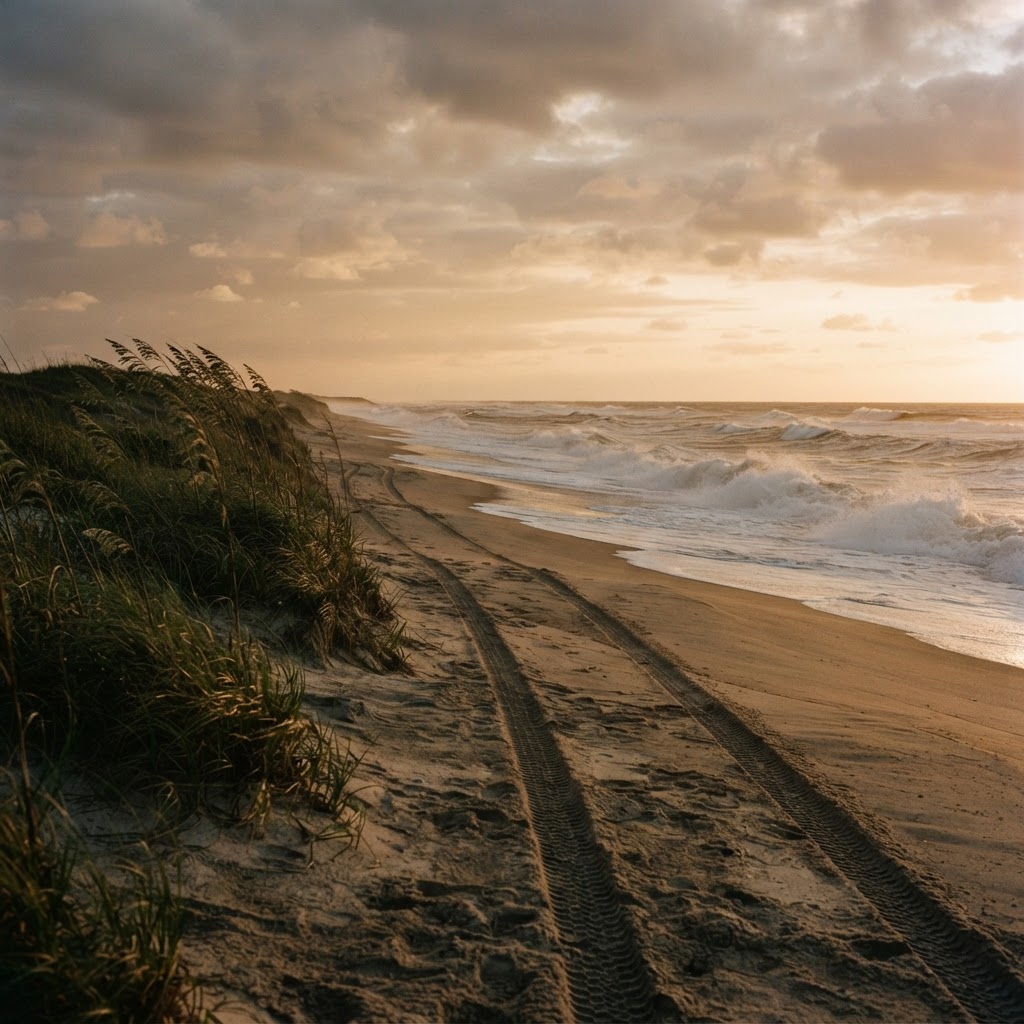
August on the Outer Banks is the sweet spot where the humidity clings to the air, the water hits its peak warmth, and the rhythm of the tides feels like a heartbeat. Navigating Cape Hatteras beach conditions in August requires a blend of local intuition and a healthy respect for the Atlantic’s late-summer temperament.
What to Expect: Cape Hatteras Beach Conditions August Overview
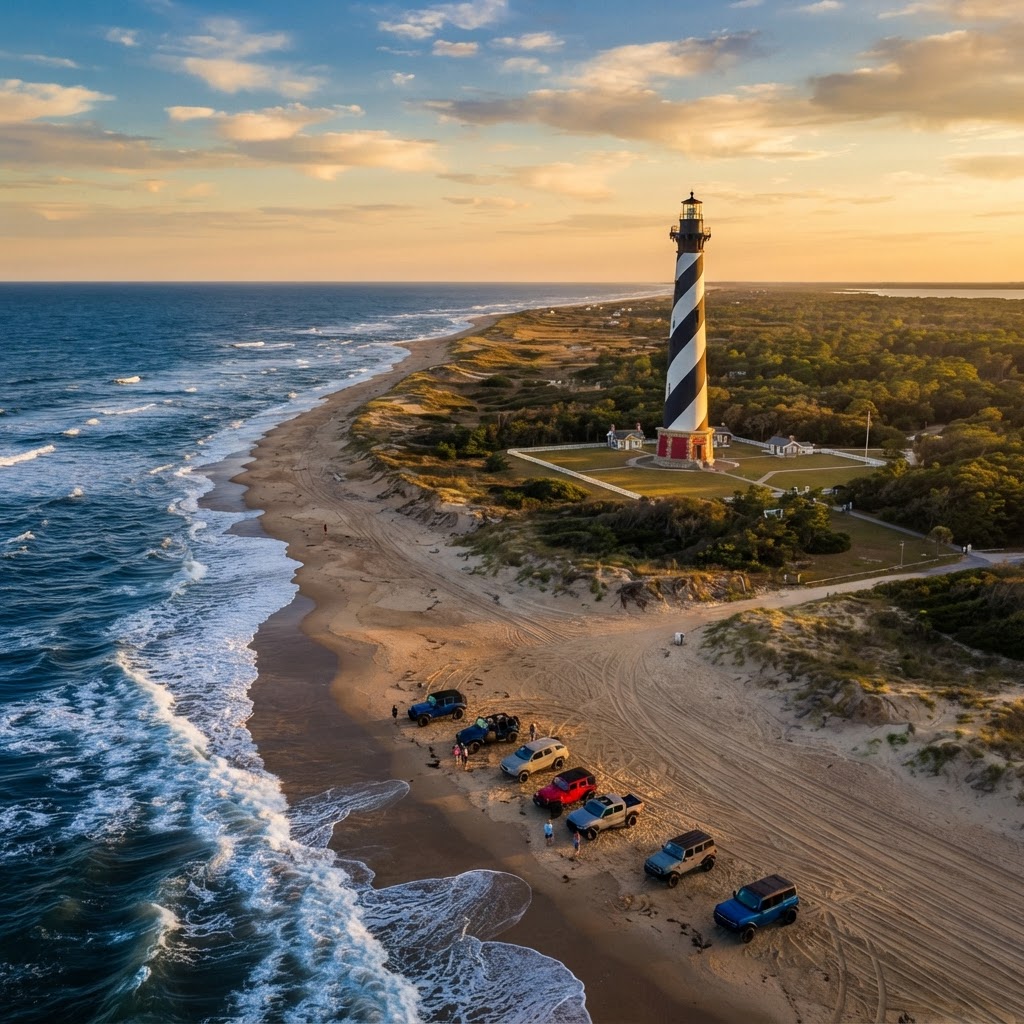
August is transition time for the Hatteras National Seashore. You are looking at air temperatures consistently hovering in the mid-to-high 80s, often feeling well into the 90s with the heat index. The beaches are broad, the sand is searing, and the dunes are lush with sea oats. From Bodie Island down to Ocracoke, the park is alive, but the ocean is fickle. You might wake up to glass-flat water perfect for a morning dip, only to watch a groundswell roll in by mid-afternoon.
The most important thing to remember is that Hatteras is not a protected bay; it is a high-energy barrier island system. In August, the "Hatteras Chop" is a real thing, and the interaction between the Gulf Stream and the Labrador Current just offshore can create unpredictable shifts in nearshore currents.
Late Summer Water Temperatures and Surf Forecasts
By mid-August, the water temperatures at Cape Hatteras generally reach their annual maximum, typically ranging between 78°F and 82°F. It is arguably the only time of year you can stay in the water for hours without a wetsuit, feeling like you’re wading in a warm bath.
However, do not let the tropical feel fool you. August is the height of hurricane season in the Atlantic. Even if a tropical system is hundreds of miles away in the Caribbean, it will send long-period swells toward the Outer Banks.
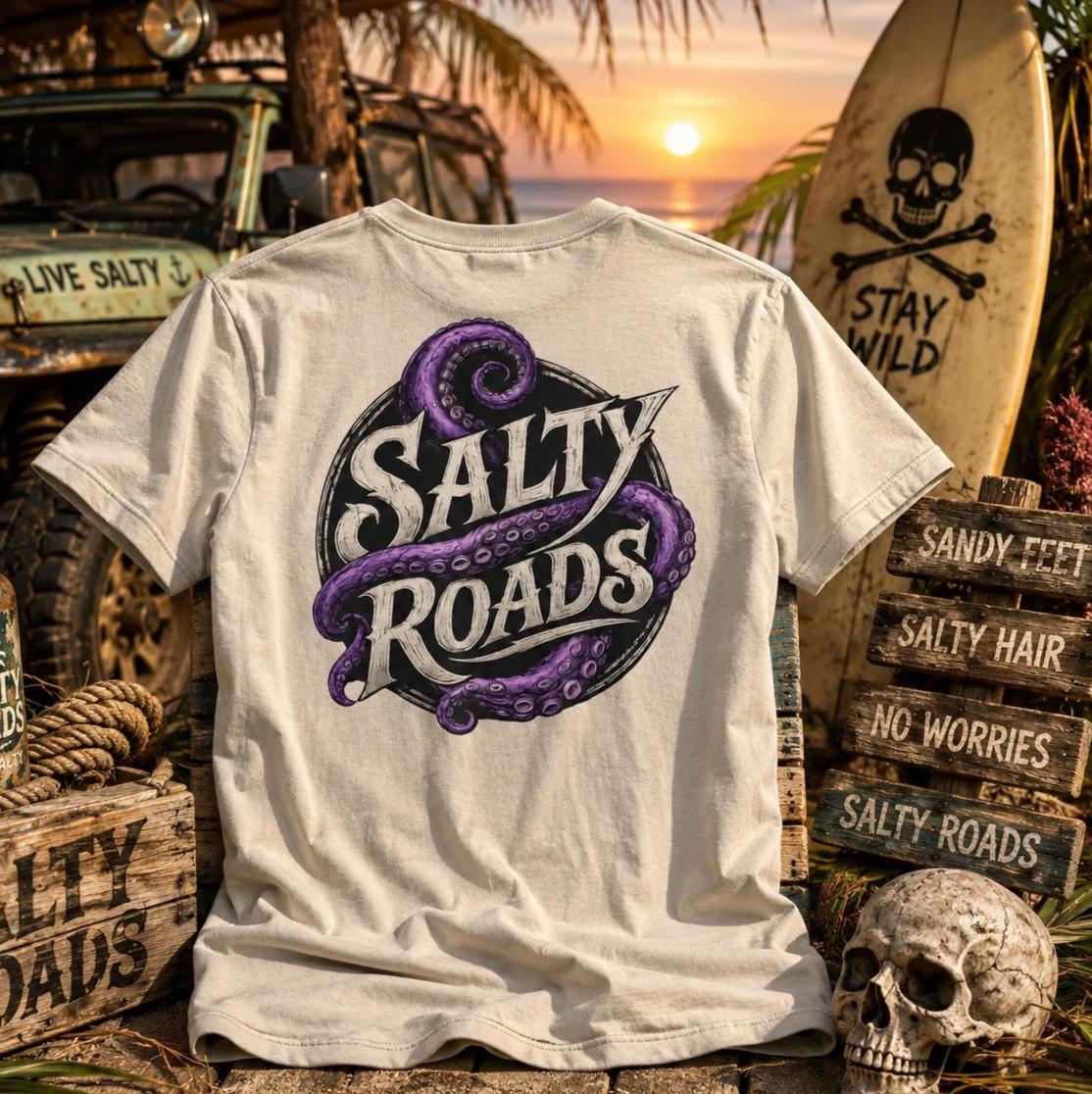
- Small swell days: Perfect for those looking to enjoy the Sunset Surf Run T-Shirt – Off-Road Beach Adventure Graphic Tee while watching the long-boarders glide near the Cape Point.
- Storm swell days: If you see "High Surf Advisory" or "Tropical Storm" in the forecast, stay out of the water. The waves can grow from waist-high to double-overhead in a single tidal cycle.
Understanding NPS Rip Current Warnings and Beach Flags
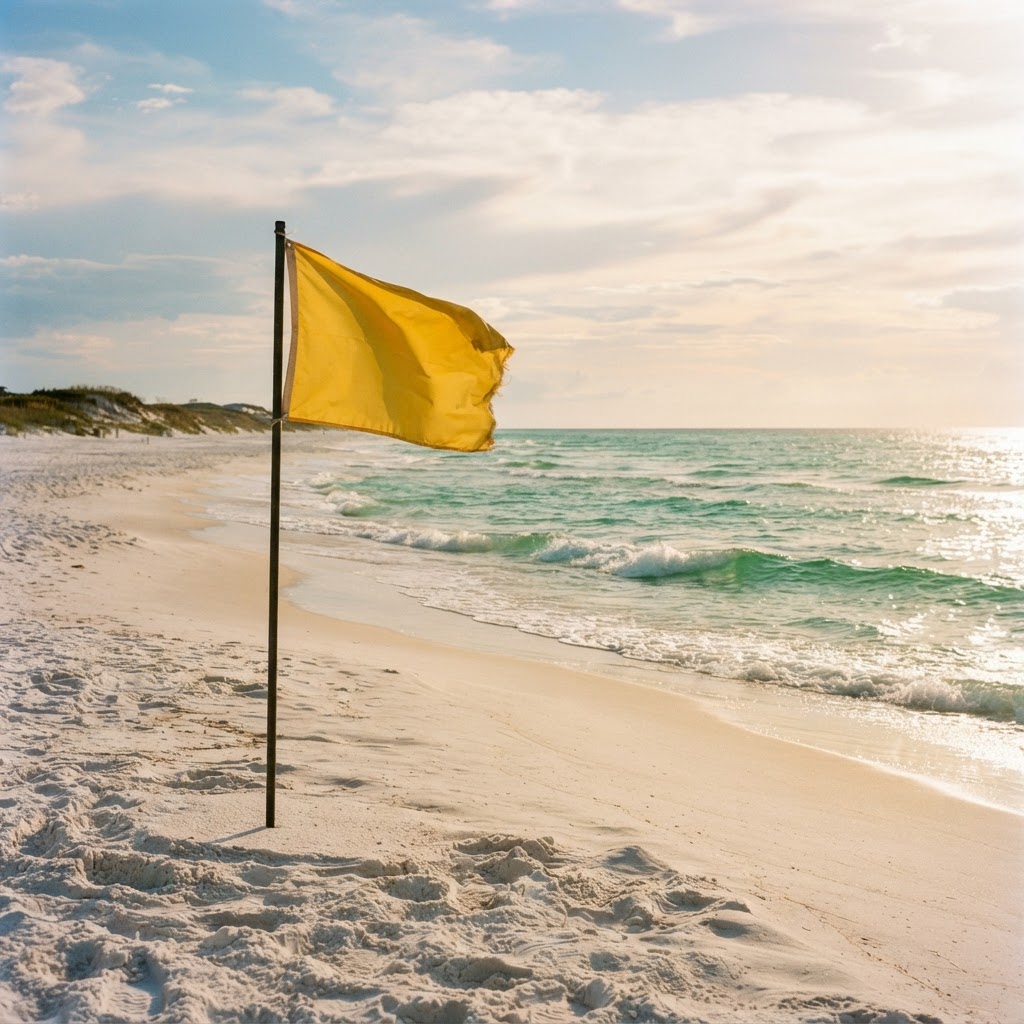
The National Park Service (NPS) maintains a flag system on the Hatteras National Seashore beaches that is not a suggestion—it is a life-saving tool. If you see a Red Flag, stay out of the water. Period.
Rip currents here aren't just localized; they are systemic. Because the sandbars at Hatteras are constantly shifting, a deep "slough" or channel can form overnight. When the tide pushes out through these breaks, the current acts like a conveyor belt pulling water—and swimmers—away from the shore.
How to spot a rip current:
- The "Break": Look for a channel of darker, calmer water moving perpendicular to the shore between two areas where waves are actively breaking.
- The Debris Line: If you see seaweed or foam moving steadily out to sea, that’s your exit sign.
- The "Gap": A noticeable break in the pattern of incoming waves is a massive red flag.
If you ever find yourself caught, do not fight it. Swim parallel to the beach until you are out of the pull, then angle back to shore. It’s a simple rule, but panic kills more people than the current ever will.
Essential Beach Safety Tips for Outer Banks Swimmers
Beyond currents, the August sun is aggressive. By 2:00 PM, the UV index is punishing. Keep your hydration up and your sun protection high.
- Swim near a life-guarded beach: In August, the NPS provides lifeguard services at Coquina Beach, Ocracoke Beach, and the beaches in front of the villages like Buxton and Frisco. If you’re at a remote stretch, assume you are on your own.
- The "Buddy System" is not just for kids: Always have someone on the sand watching you, even if they aren't in the water.
- Know the tide: An outgoing tide at Hatteras is when rip currents are at their most violent. Check a local tide chart—available via the NOAA portal or local bait shops—before you plan your swim.
August ORV Access: Navigating Ramps and Sand Conditions
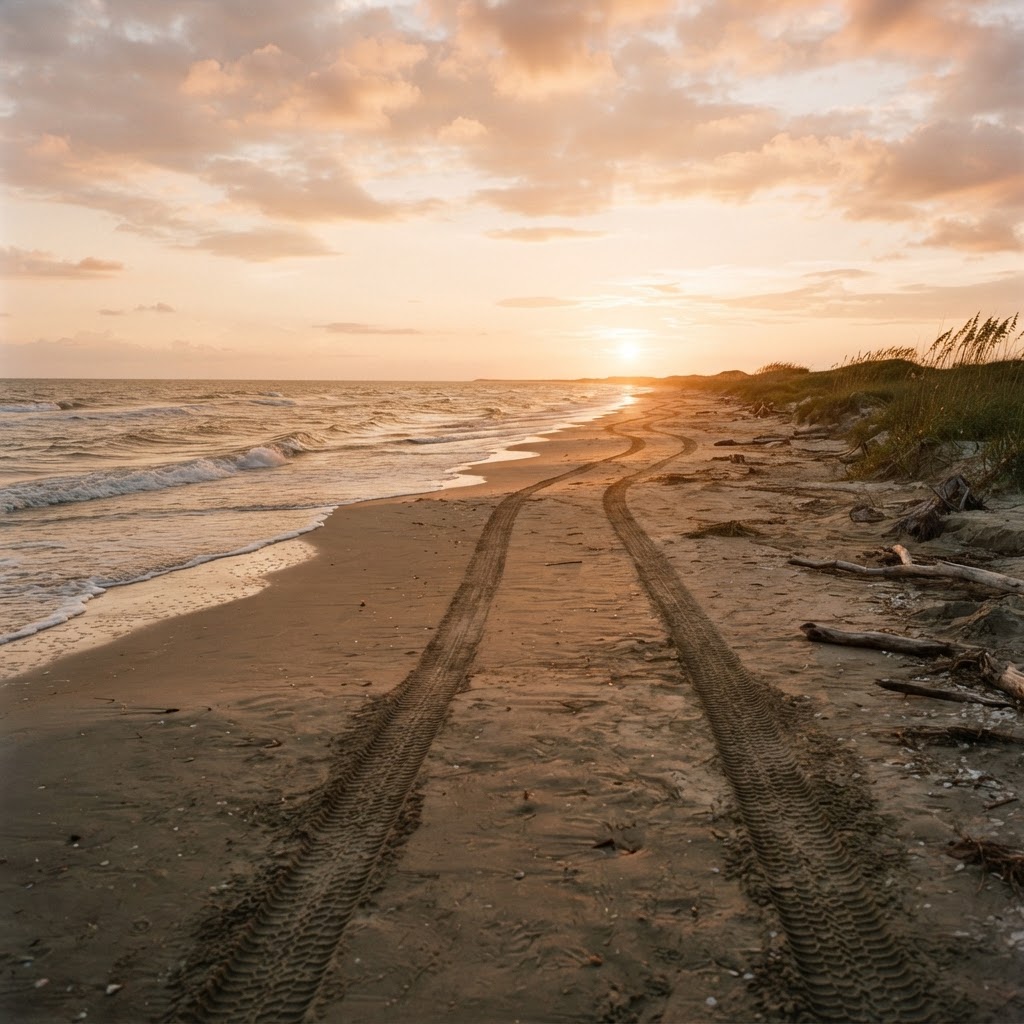
If you have a 4WD vehicle and an ORV permit, August is the time to head to the back-country beaches. However, the sand at Hatteras in late summer is dry, deep, and "sugary."
Pro-Tips for August ORV driving:
- Air Down: This is non-negotiable. Drop your tire pressure to 18–20 psi. It increases your footprint and prevents you from digging into the soft, hot sand.
- Avoid the Mid-Day Heat: The sun bakes the sand, making it less stable during the peak hours of 12:00 PM to 4:00 PM. Travel during the early morning or late afternoon for the smoothest ride.
- Respect the Closures: August is active for nesting shorebirds and sea turtles. Keep a sharp eye out for roped-off areas. These fences are there for a reason, and driving past them can cost you a hefty fine and your ORV privileges.
After a long day of navigating the ruts and the heat, there’s nothing quite like pulling back onto the pavement, cranking the AC, and heading to the cottage to pour a cold one into a Salty Roads Skeleton Beach Beer Pint Glass – Tropical Off-Road 16oz Barware. It’s the perfect vessel for a post-beach ritual.
How to Stay Updated on Cape Hatteras Weather Alerts
Do not rely solely on your phone's general weather app—it’s usually too broad to be accurate for the National Seashore.
- Text Alerts: Sign up for the NPS "Cape Hatteras National Seashore" alerts by texting "OBXBeachConditions" to 77295. This is the fastest way to get notified about rip current warnings, severe storms, or emergency beach closures.
- The "Salty" Local Source: Monitor the "Outer Banks Surf Report" groups on social media, but take them with a grain of salt. For factual marine weather, stick to the National Weather Service Newport/Morehead City website. They provide the most accurate marine forecast for our specific latitude.
Packing for a Safe and Salty Late Summer Beach Day
Preparation in August is about mitigating the intensity of the environment. You want gear that works as hard as you do.
- Sun Protection: A wide-brimmed hat and polarized sunglasses are essential to spot those sandbars from the dunes.
- The Right Apparel: Forget heavy cotton. Opt for breathable, quick-dry material. I’m a fan of the Salty Roads™ Sunset Escape - Coastal Adventure Tee; it breathes well when you’re hauling gear across the hot sand and looks right at home at the local pier bar for the evening wind-down.
- Safety Kit: Every ORV should carry a shovel, a board for under your jack, a tire gauge, and a first-aid kit.
- Hydration: Bring twice as much water as you think you need. The heat on the dunes is deceptive, and the salt spray will dry you out faster than you realize.
As August rolls on, the shadows grow a bit longer and the evening breeze picks up. Take the time to respect the ocean’s power, watch the flags, and keep your head on a swivel. If you do that, Hatteras will reward you with the kind of sunsets and memories that keep us coming back to these salty roads year after year. Stay safe out there, and enjoy the ride.