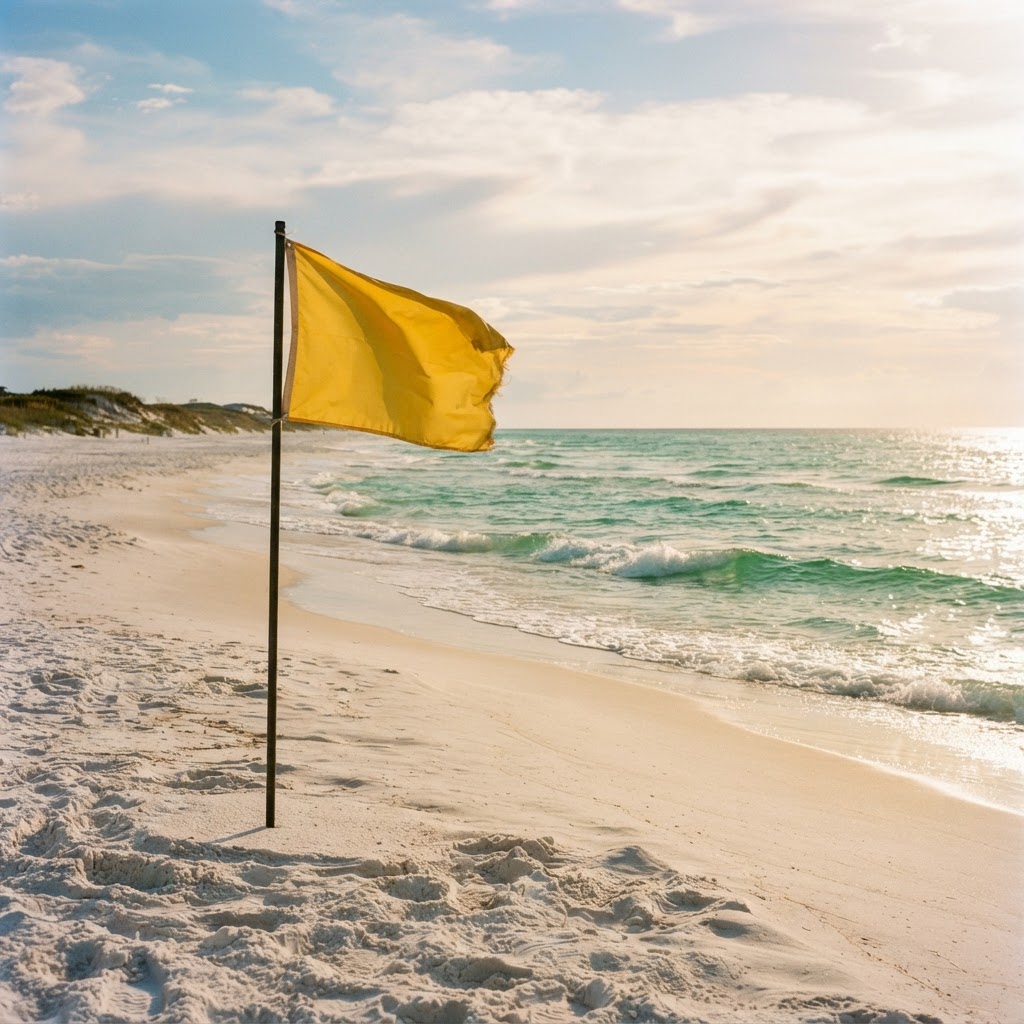
The Gulf of Mexico is shimmering with that perfect, bath-like 86-degree clarity that makes South Walton the jewel of the Florida Panhandle. But before you grab your towel and head down the boardwalk, take a second to look up at the lifeguard tower; that yellow pennant fluttering in the breeze carries a weight that every beachgoer needs to respect.
What the 30A Yellow Flag Meaning Actually Is (Moderate Surf & Currents)
In the South Walton beach safety system, the 30A yellow flag meaning is defined as "moderate surf and/or currents." It is not a red-light situation, but it is certainly not the "green light, go wild" scenario either. Think of it as a caution advisory—the beach equivalent of a flashing yellow traffic light.
When a yellow flag is hoisted, it indicates that the conditions are somewhat unpredictable. You might see higher waves than usual, or perhaps the longshore current is running a bit faster, pulling laterally along the shoreline. It means the Gulf is showing a bit of muscle, and you should adjust your expectations accordingly. You don’t need to stay out of the water, but you do need to keep your head on a swivel.
Is It Safe for Families to Swim on Yellow Flag Days?
The short answer is yes, but with a caveat: active supervision is non-negotiable. If you have young children or weak swimmers in your crew, yellow flag days are the perfect time to trade the open Gulf for a shore-side setup.
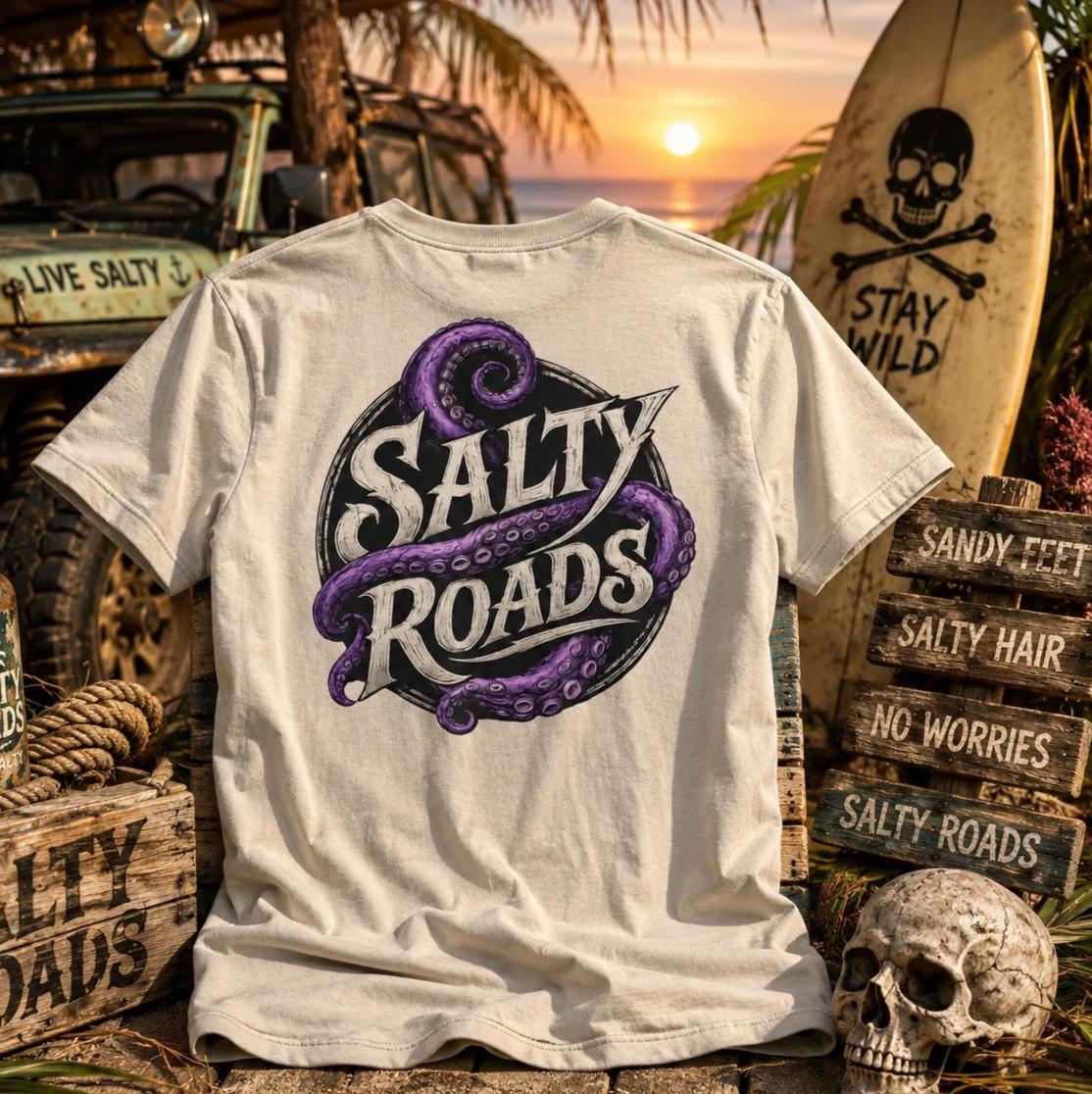
On these days, the surf can look deceptively gentle from your beach chair while wearing your favorite Salty Roads™ Sunset Escape - Coastal Adventure Tee, but it’s a different story when you’re knee-deep in the wash. The moderate surf can easily knock over smaller children, making them prone to swallowing water or losing their footing.
If you do head into the water, use the "buddy system." Never swim alone, and keep your gaze on your kids at all times. If you feel like you are working too hard to stay in one spot, get out. It’s a beach day, not an Olympic swimming qualifier.
How Rip Currents Work in South Walton's Gulf Waters
The primary reason for the yellow (and red) flag system here is the rip current. Rip currents are powerful, channeled currents of water flowing away from the shore. They typically form at breaks in sandbars or near structures like piers and jetties.
Even on a beautiful, sunny afternoon, a rip current can develop in seconds. Because 30A features shifting sandbars, these currents can move or strengthen throughout the day. If you find yourself in a rip current, the golden rule remains: don’t fight it. If you swim against the current, you will fatigue. Instead, swim parallel to the shoreline until you are out of the current’s pull, then swim back to the beach at an angle.
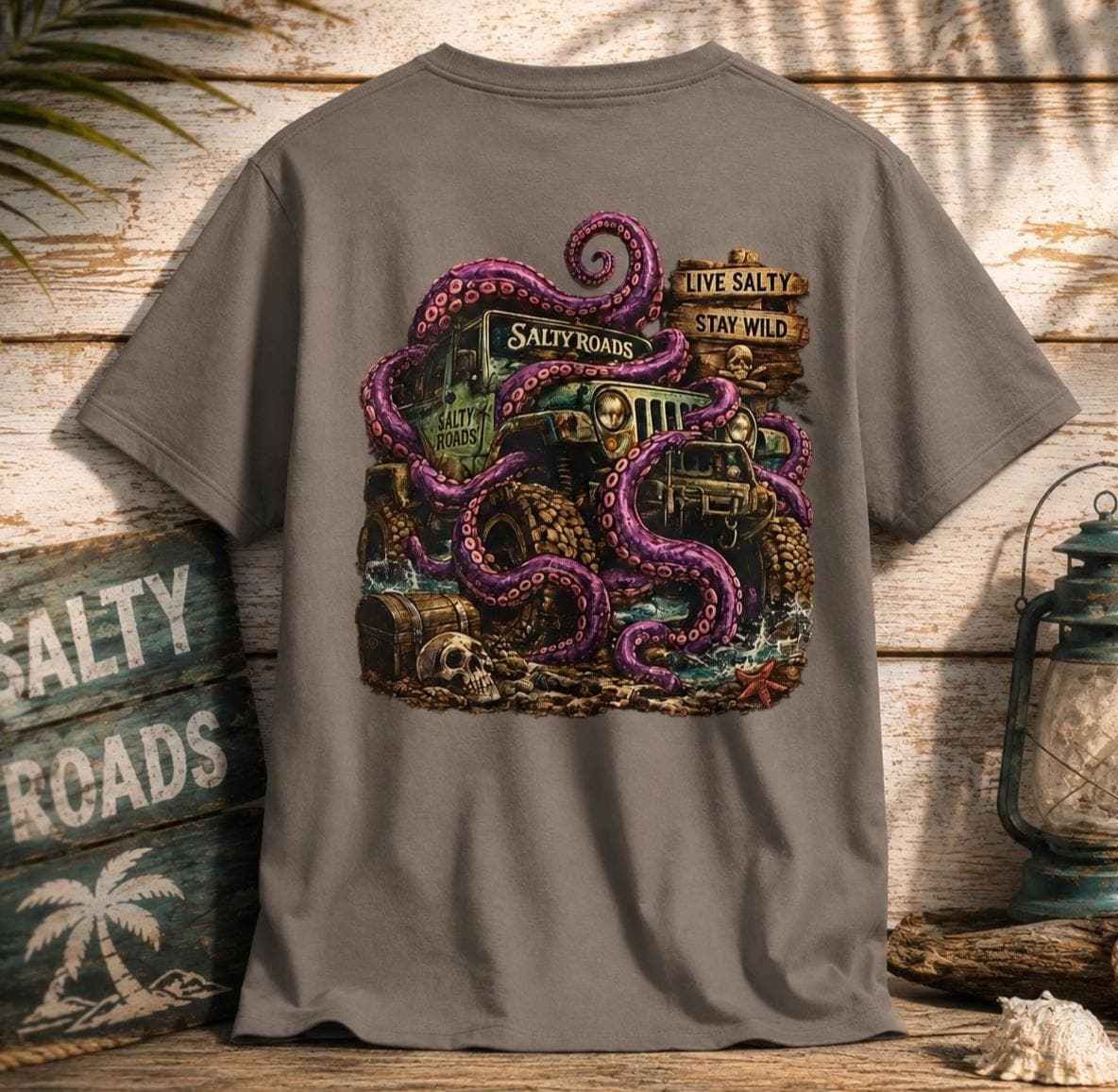
Many locals like to wear their Salty Roads Island Escape T-Shirt – Tropical Beach Sunset Jeep Graphic Tee for the morning beach walk, but if you’re planning on wading in, remember that the sand beneath your feet is always shifting. Respect the power of the Gulf—it’s the boss, not you.
Yellow and Purple Flags: Decoding the Double Warning
Sometimes, you’ll see a yellow flag flying alongside a purple one. This is a "double whammy" for beachgoers. While the yellow flag warns of surf and currents, the purple flag warns of "dangerous marine life."
In South Walton, this usually means jellyfish, man-o'-war, or, on rare occasions, an uptick in small baitfish activity that might attract larger predators. If you see both, it’s best to keep your time in the water limited to quick dips or stick to the shoreline. No one wants their tropical getaway ruined by a nasty sting that turns your skin into a roadmap of welts. Keep a bottle of vinegar in your beach bag—sometimes it helps, sometimes it doesn’t, but staying alert is always the best defense.
The Rest of the 30A Beach Flag System Explained
The Walton County flag system is designed to be simple enough for a toddler to understand, yet robust enough to save lives. Familiarize yourself with the full color spectrum before you hit the sand:
- Green: Low hazard. Calm conditions, but always exercise common sense.
- Yellow: Moderate hazard. Moderate surf and/or currents. Exercise caution.
- Red: High hazard. High surf and/or strong currents. If you aren't a strong swimmer, stay out.
- Double Red: Water is closed to the public. Serious danger; do not enter the water under any circumstances.
- Purple: Dangerous marine life present.
- Blue/White (Rarely seen): Indicates temporary hazards like severe weather or water quality alerts.
How to Check the Daily Flag Status Before Heading Out
Don't guess when you get to the dunes. The conditions can change overnight, and nothing ruins a beach plan faster than trekking a heavy cooler over a dune walkover only to find a double-red flag.
- Visit the Official Site: Check the South Walton Fire District (SWFD) Beach Safety website. They update the status daily, usually by 8:00 AM.
- Follow Local Social Media: Many 30A-based organizations and local lifeguard accounts post updates on Facebook and Instagram early in the morning.
- Use the Text Alerts: You can text "SAFETY" to 31279 to receive real-time beach condition updates for Walton County. It is the most reliable way to stay informed.
Essential Safety Tips for an 86-Degree Beach Day
Even when the water is perfect, the Florida sun is relentless. On those yellow flag days, here is how to enjoy the coast like a pro:
- Hydrate, Then Hydrate Again: 86-degree water feels refreshing, but the sun is draining. Keep your water intake up. If you’re enjoying a cold beverage, make sure it’s in a high-quality tumbler or a Salty Roads™ Coastal Cruiser Logo Tee-worthy chill session.
- Pick Your Spot Wisely: Set up your umbrella well back from the high-tide line. On yellow flag days, the tide can move quickly and catch you by surprise, soaking your gear and sweeping your belongings out to sea.
- Watch the Lifeguards: The towers are there for a reason. If a lifeguard blows their whistle, acknowledge it immediately. They are the eyes on the water who see the rip currents forming before anyone else does.
- Know Your Limits: If you are an experienced swimmer, a yellow flag might just be an invitation for a fun session in the waves. If you’re a casual swimmer, stick to the shallows.
Ultimately, 30A is a paradise, but it’s a paradise that demands respect. Whether you are hauling your Jeep down to a secluded access point or settling into your favorite beach chair in Seaside or Grayton, knowing the flag status is the first step to a successful day. Keep your gear packed, keep your eyes on the horizon, and most importantly, stay safe out there on the salty roads.