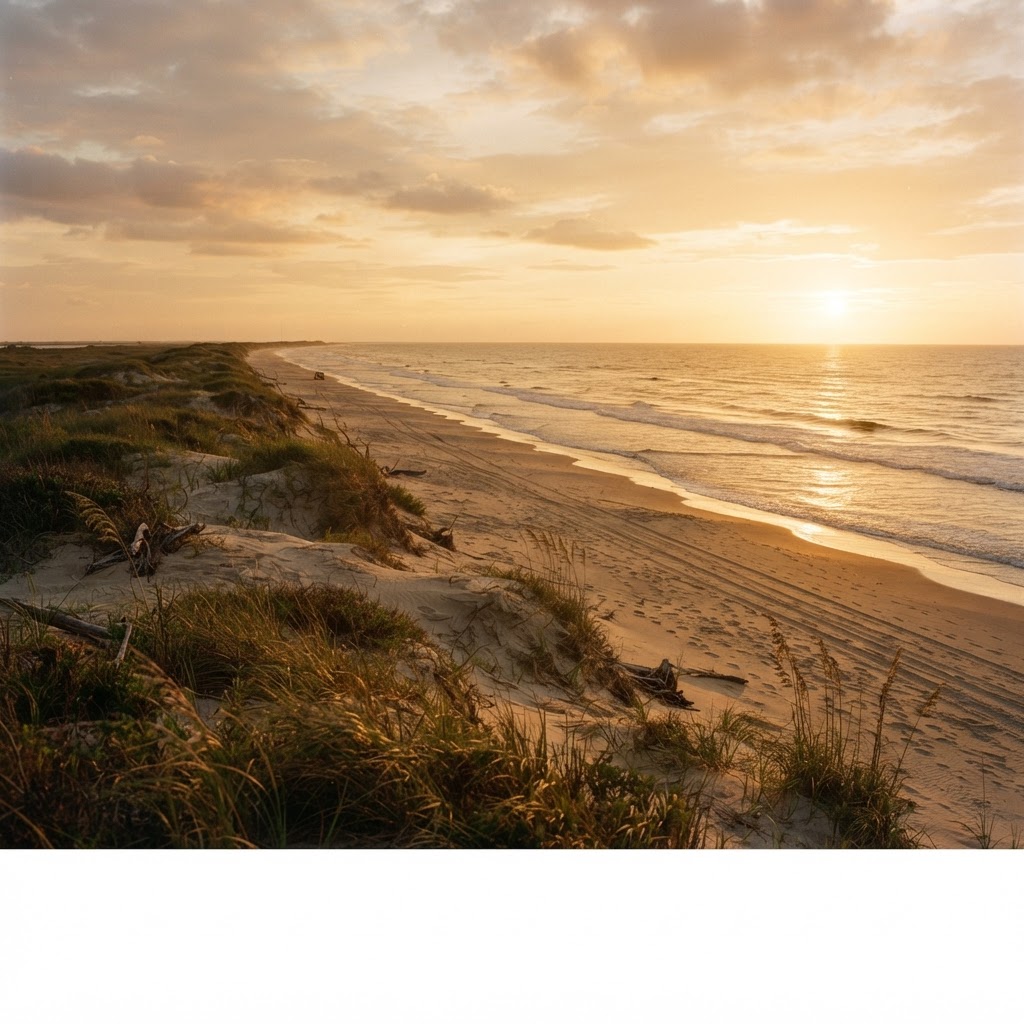
There is a specific kind of freedom found on the longest stretch of undeveloped barrier island in the world, but Padre Island National Seashore (PINS) doesn’t suffer fools. Whether you’re planning to hunt for sea glass or push your rig through the deep sand, knowing the current state of the dunes and the tides is the difference between a legendary weekend and an expensive tow bill.
How to Check Real-Time Malaquite Beach Conditions
Before you pack the cooler, you need to check the source. The NPS keeps a dedicated Alerts & Conditions page that serves as the bible for your trip.
When you check the status, look for three critical indicators:
- Beach Accessibility: Is the beach currently drivable? High tides, tropical storms, or massive seaweed (sargassum) events can render the sand impassable even for the most capable 4x4.
- Park Alerts: This section details closures, construction, or seasonal nesting protections for Kemp’s ridley sea turtles. If the hatchlings are running, beach driving may be restricted or closed entirely.
- Current Weather Station Data: Don’t rely on a general weather app for Corpus Christi. The park’s localized conditions—specifically wind speed—are vital. If the wind is blowing sustained at 20+ mph out of the southeast, the Gulf side will be rough, and the seaweed piles on the beach can become thick enough to trap smaller vehicles.
Navigating the Malaquite Visitor Center and Facilities
The Malaquite Visitor Center is your primary hub, located about 12 miles past the park entrance station. This is the only place in the park where you’ll find air-conditioned restrooms, an indoor exhibit area, and—most importantly—the beach-going wheelchairs available for loan.
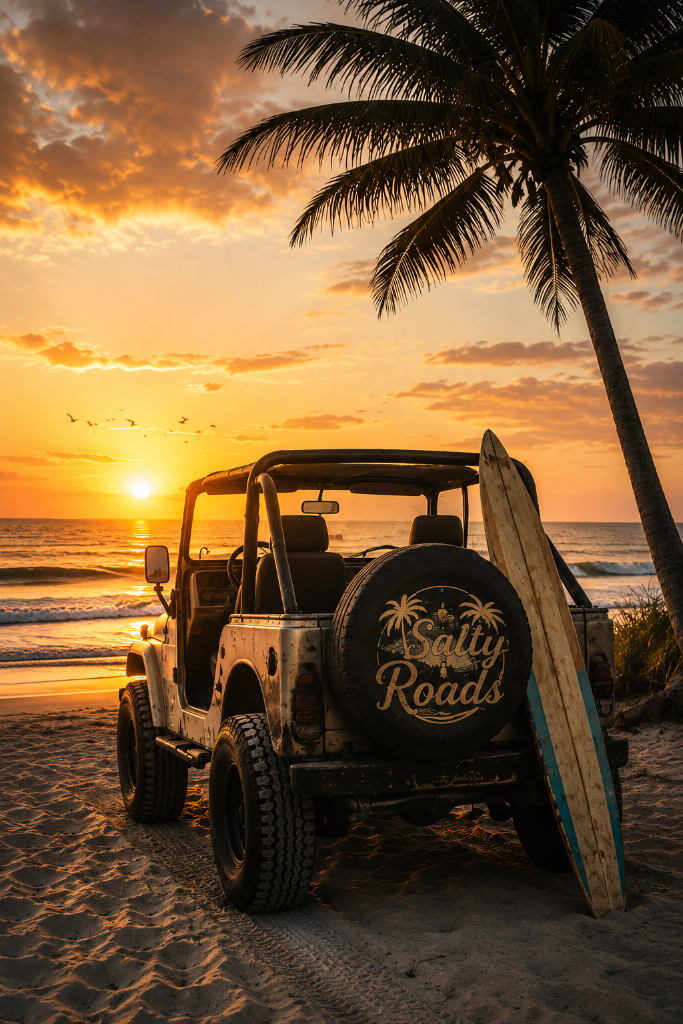
The facilities here are designed for comfort before you head into the wild. If you’re planning a day trip, this is where you should stage your gear. Pro tip: The beach directly in front of the Visitor Center is a non-driving zone, making it the perfect spot to lay out a blanket, change into your Salty Roads™ Coastal Cruiser Logo Tee, and get your bearings before committing to the deeper stretches of the island.
Bird Island Basin: Boat Ramps and Campground Status
For the kiteboarders, windsurfers, and kayak anglers, Bird Island Basin is the heartbeat of the park. Located on the Laguna Madre side, the water here is shallow, calm, and notoriously windy.
- Boat Ramps: The ramp at Bird Island Basin is generally reliable, but it is subject to wind-driven water levels. During strong northers, the water can get pushed out of the Laguna, leaving the ramp high and dry. Always check the basin’s current depth report if you’re launching a skiff or a larger fishing boat.
- Camping: Primitive camping is allowed here, but it fills up fast on holiday weekends. There is no shade, so bring an awning or a sturdy canopy. After a long day of maneuvering a boat trailer or rigging sails, there is nothing quite like pulling a cold beverage from the cooler and pouring it into a 16oz Tropical Off-Road Adventure Beer Pint Glass to toast the horizon.
4x4 Beach Driving: North Beach, South Beach, and Yarborough Pass
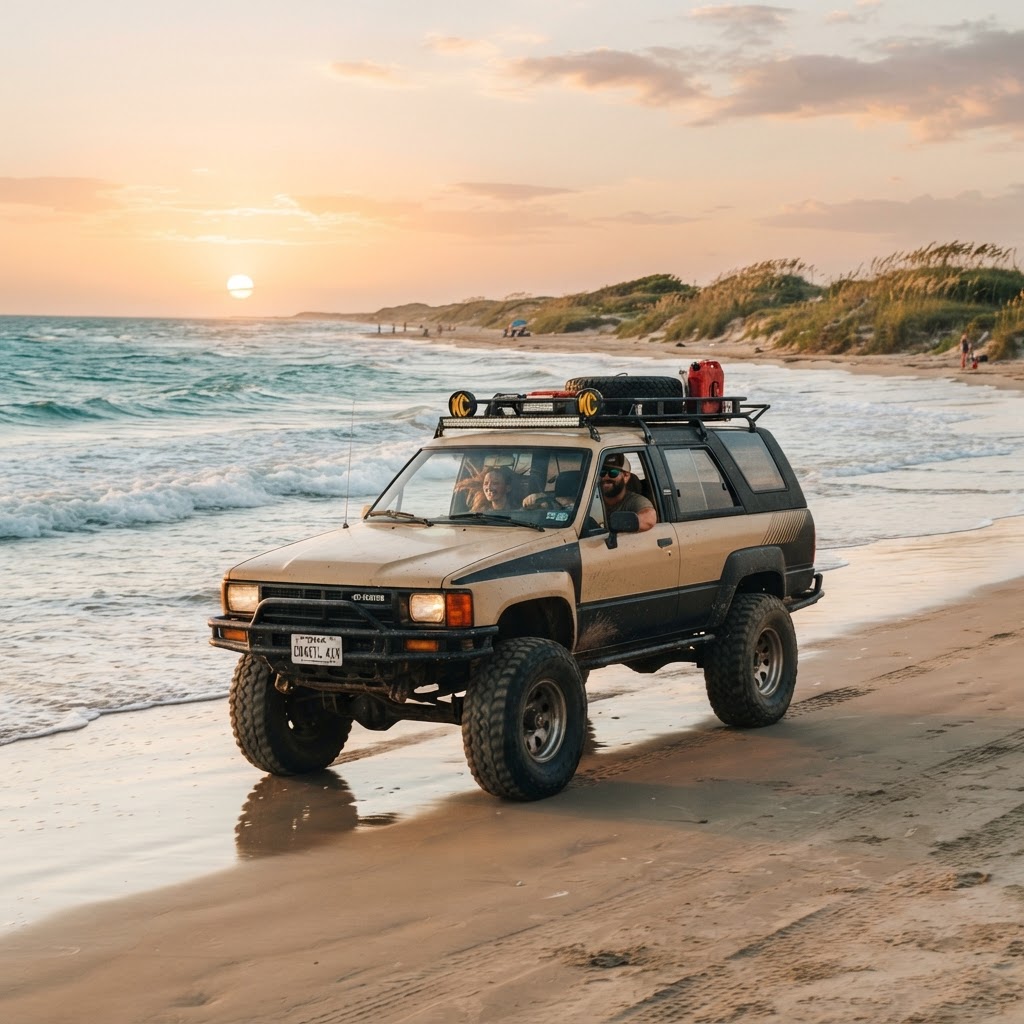
This is why we come to Padre. The park offers over 60 miles of beach driving, but the terrain changes daily.
North Beach
This is the area between the park entrance and the Malaquite Visitor Center. It is usually the most maintained, but it’s still soft sand. AWD vehicles like crossovers might make it, but a true 4x4 with high clearance is recommended.
South Beach
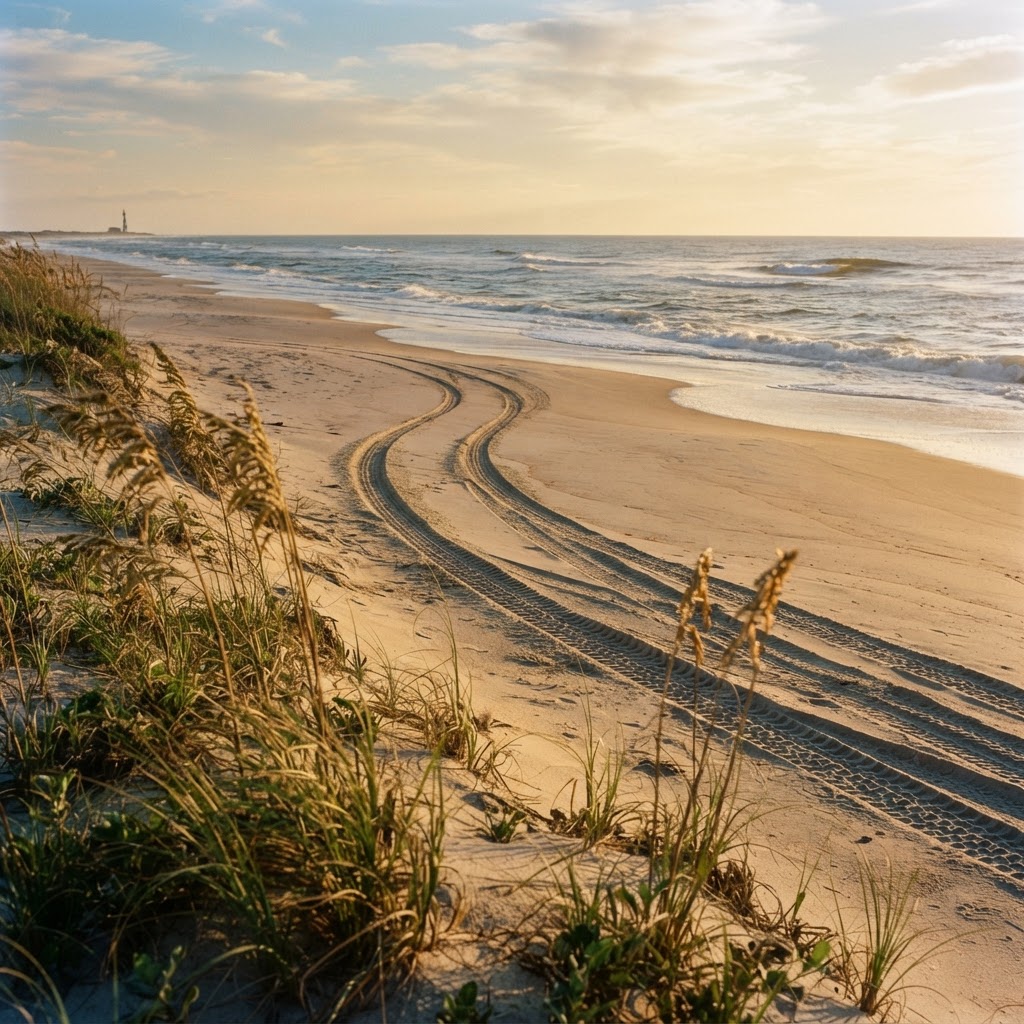
Starting south of the Visitor Center, you are on your own. There is no cell service for the majority of this 60-mile stretch. Keep your tire pressure around 18–20 psi to float over the top of the sand rather than digging in. Avoid the "wet sand" line at all costs—the Gulf waves have a habit of pulling unsuspecting vehicles into the surf.
Yarborough Pass
This is for the experienced off-roaders only. To reach the pass, you must cross a stretch of sand that is frequently washed out or inundated by the tides. It is a technical crossing that requires knowledge of your vehicle’s wading depth. If you’re heading out this far, ensure your recovery gear (traction boards, kinetic rope, and a shovel) is easily accessible. You don’t want to be digging out in the mid-day heat while wearing the wrong gear, so stick to moisture-wicking fabrics like the Sunset Surf Run T-Shirt to keep yourself comfortable while you work.
Weather, Tides, and Rip Current Safety on Padre Island
The Texas Gulf Coast is deceptively calm, but the rip currents are a silent killer. Never swim in the Gulf without checking the current flag warnings at the Visitor Center. A green flag means low hazard, but even then, a rip current can develop in minutes.
Tides in the Gulf are usually diurnal (one high and one low per day), but they are heavily influenced by wind. "Wind tides" can cause the water to surge several feet higher than predicted, especially during hurricane season (June through November). If you see the water starting to reach the base of the dunes, do not attempt to drive along the shoreline. Turn around; the ocean is reclaiming the road.
Essential Gear for a Texas Gulf Coast Adventure
Preparation is the secret to a successful coastal trip. When you’re miles from civilization, your gear list should be utilitarian and rugged. Here is what I keep in my rig before hitting the sand:
- Tire Deflator/Inflator: A portable compressor is mandatory. Never drive back onto the pavement with aired-down tires.
- Sun Protection: The reflection off the white sand and the Gulf water creates a double-dose of UV radiation. A wide-brimmed hat and polarized sunglasses aren’t just accessories—they are safety equipment.
- The "Salty" Kit: I always keep a dedicated dry bag with a spare Sunset Surf Run T-Shirt inside. Whether it’s from a rogue wave or just the salt-spray humidity, having a dry, clean shirt for the drive home is a game changer.
- Hydration/Fuel: Pack double the water you think you need. The heat on the dunes is intense, and the sand friction will drain your vehicle's fuel efficiency faster than you expect.
- Waste Management: Padre Island is a "Leave No Trace" wilderness. Bring heavy-duty trash bags. Whatever you pack in, you must pack out. The dunes are fragile, and the nesting shorebirds depend on us keeping the beaches pristine.
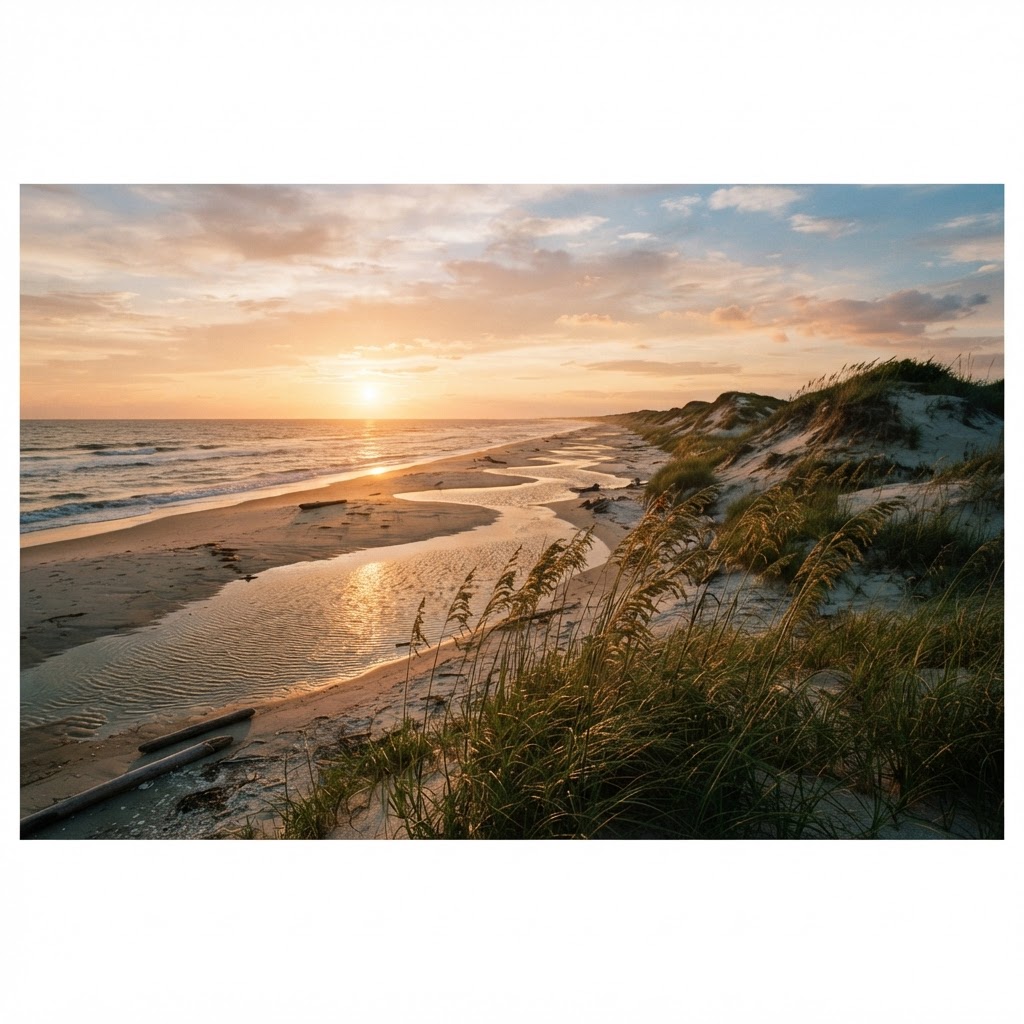
The Texas coast isn't a groomed resort; it’s raw, wild, and temperamental. Respect the Malaquite Beach conditions, respect the tide, and treat your rig like the tool it is. When the wind dies down and the sun starts to dip toward the dunes, you’ll realize there’s no place on earth quite like this strip of sand. Just make sure you’re packed right, and you’ll be coming back for years to come.