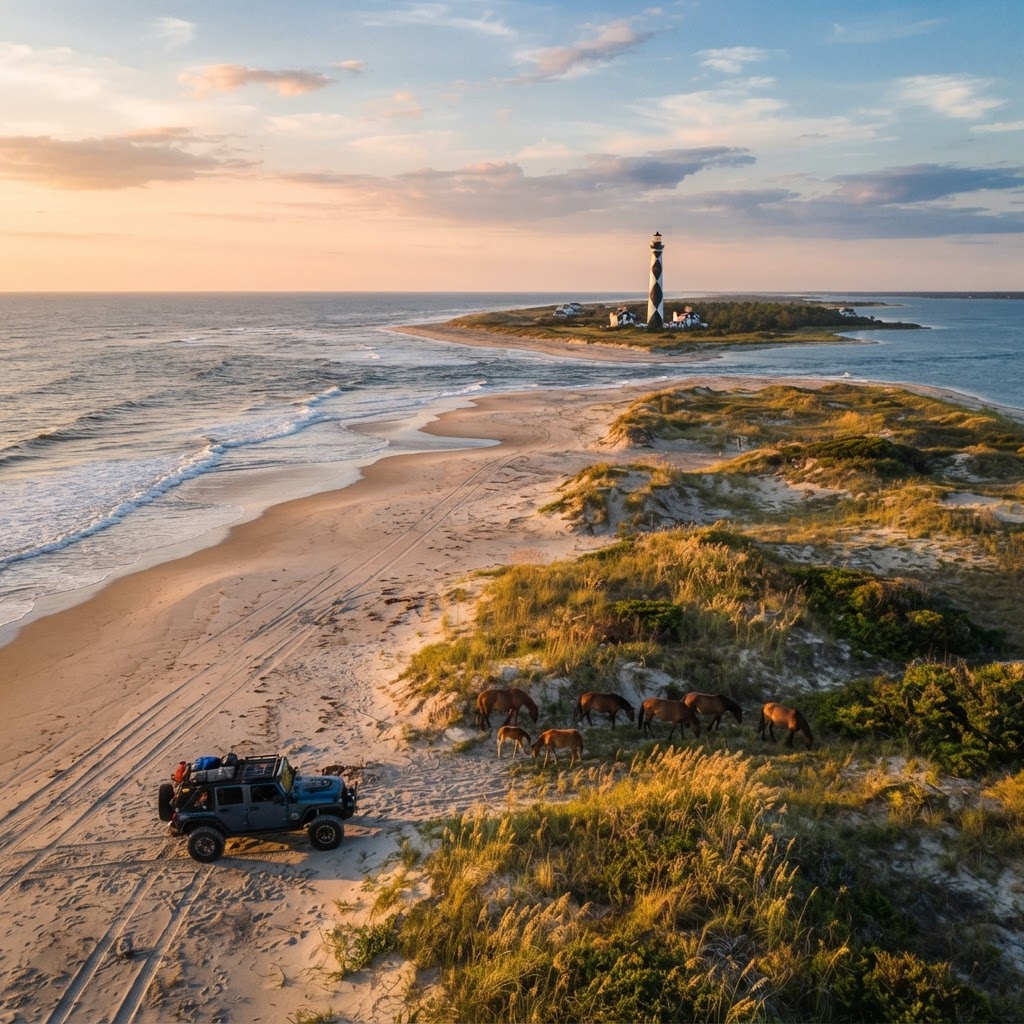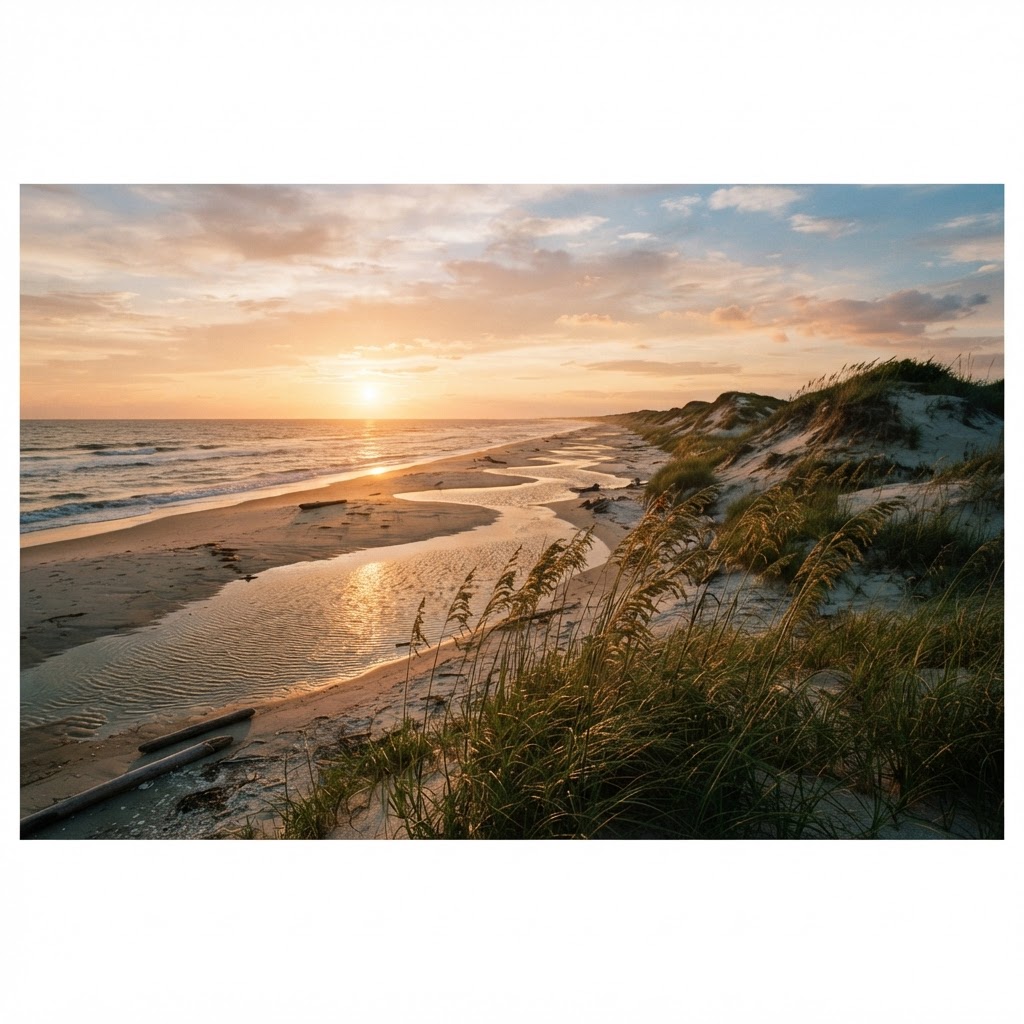
There is a raw, salt-sprayed magic to the Outer Banks that you simply won't find anywhere else, and nowhere is that spirit more alive than on the shifting dunes of Shackleford Banks. Watching these descendants of Spanish shipwrecks graze against the backdrop of an Atlantic gale is a humbling reminder that some things in this world were never meant to be tamed.
The 400-Year History of the Shackleford Banks Wild Horses
The history of the Shackleford Banks wild horses is as tangled as the maritime forests that line our coast. Local legend suggests these "Banker Ponies" are the descendants of Spanish mustangs that swam ashore from shipwrecks as early as the 1500s. While historical records are a bit more nuanced—suggesting they likely descend from colonial livestock brought to the islands by settlers in the 17th and 18th centuries—the mystique remains.
For four centuries, these horses have survived hurricanes, nor'easters, and shifting sands. They are smaller than your average stable horse, possessing a sturdy, compact frame built for life in a harsh, salt-blasted environment. Today, they are protected under federal law as part of the Cape Lookout National Seashore, managed by the National Park Service in partnership with the Foundation for Shackleford Horses. They aren't just animals; they are living, breathing artifacts of our coastal heritage.
How to Get There: Authorized Ferries from Beaufort and Harkers Island
Shackleford Banks is a barrier island with no bridge, meaning you are at the mercy of the tides—which is exactly how it should be. To reach the horses, you’ll need to book a passage on an authorized ferry service.
- From Beaufort: Several private ferries operate out of the historic Beaufort waterfront. These trips are typically faster and offer a great view of the Beaufort Inlet and the Rachel Carson Reserve.
- From Harkers Island: This is the gateway to the Cape Lookout National Seashore. The ferries here often take you to the western end of the island, where the horse population is frequently denser.
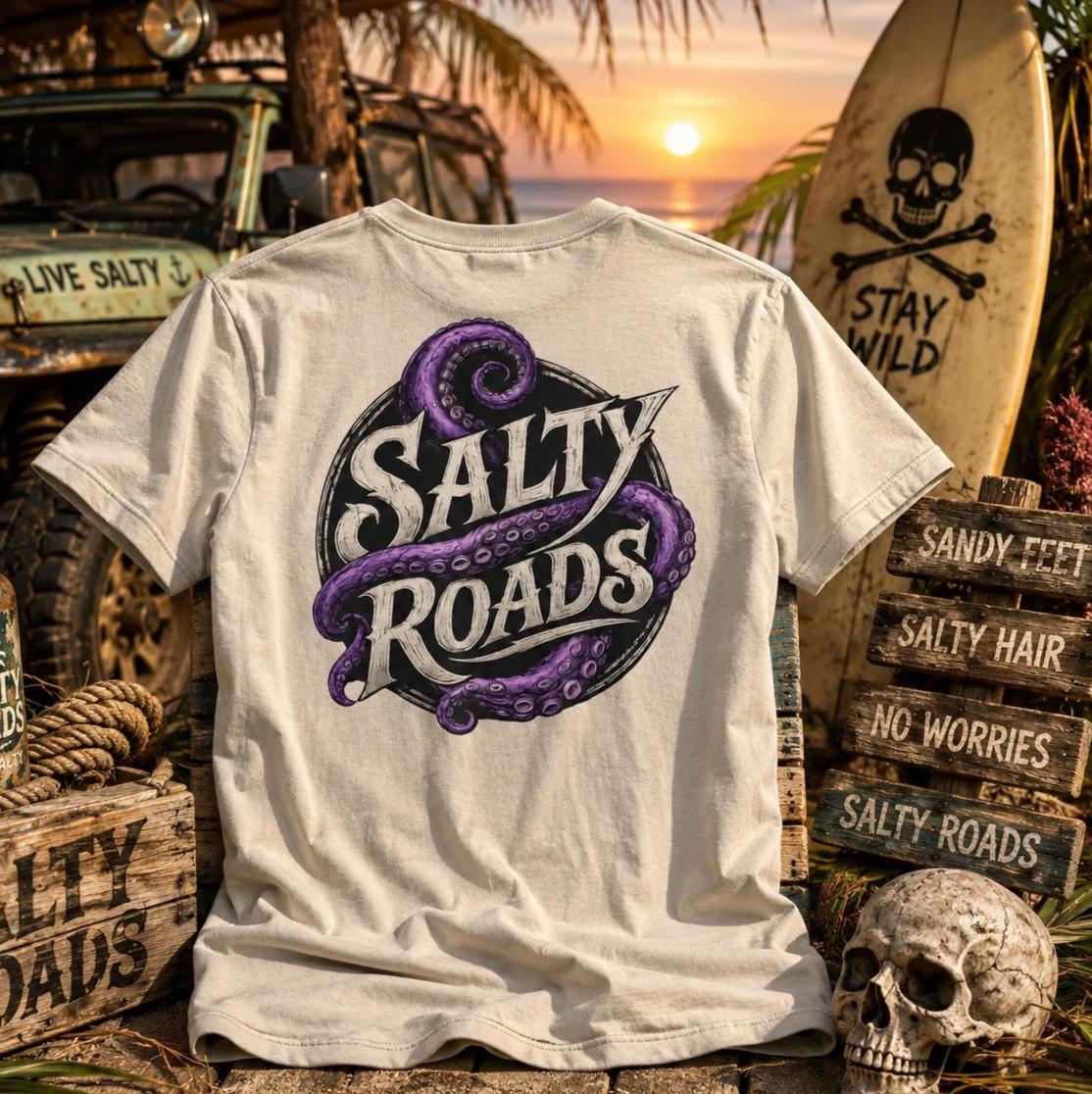
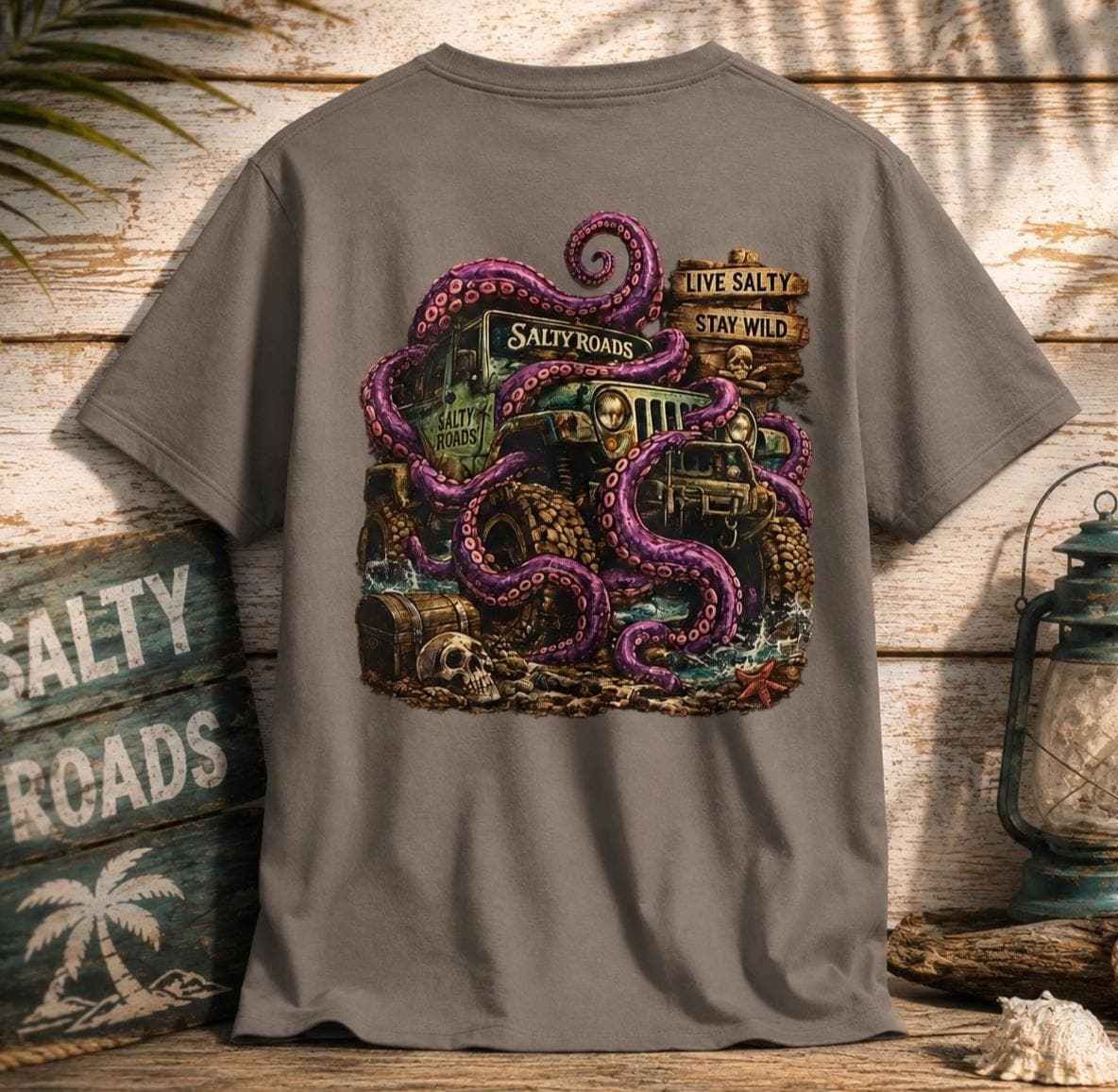
Pro-Tip: Always call at least 48 hours in advance to confirm your departure. If the wind is blowing over 20 knots, ferries may be grounded for safety. When you’re gearing up for the ride, throw on your Salty Roads™ Chase the Horizon Beach Cruiser Tee; it’s lightweight, moisture-wicking, and perfectly suited for a humid ferry ride where the spray might catch you off guard.
The 50-Foot Rule: Essential Safety and Viewing Best Practices
It is tempting to want that "National Geographic" selfie with a stallion, but these are wild animals, not petting zoo ponies. The National Park Service strictly enforces a 50-foot rule. That is two full school bus lengths of distance.
If a horse approaches you, do not retreat—slowly back away to maintain your distance. They are known to kick and bite when stressed, and a spooked horse on a narrow dune trail is a dangerous situation. Remember, you are a guest in their home. Keep your voice low, your movements slow, and respect their space so they can continue to forage in peace.
What to Pack for the Island: Bug Repellent, Water, and Sun Protection
Shackleford Banks is an unforgiving, beautiful wilderness. There is zero shade, zero amenities, and zero running water. If you walk onto that beach unprepared, you will be humbled by the sun and the biting flies.
- Hydration: Pack double the water you think you need. A gallon per person is the gold standard for a full-day excursion.
- Sun Protection: The reflection of the sun off the white sand is brutal. Bring a wide-brimmed hat, polarized sunglasses, and reef-safe sunscreen.
- Insect Repellent: The "greenheads" (salt marsh flies) can be relentless in the summer months. Pack a heavy-duty DEET repellent or wear long, breathable linen layers.
Photography Tips: Capturing the Banker Ponies at Golden Hour
The best time to photograph the horses is during the "golden hour"—the first two hours after sunrise or the last two before sunset. During these times, the harsh, flat midday sun softens, giving the horses' coats a rich texture and highlighting the depth of their manes.
If you are a photographer, bring a telephoto lens (at least 200mm). Because of the 50-foot rule, you need the reach to capture their expressions without encroaching on their territory. When the light dips and the shadows stretch across the dunes, put the camera down, pull a 16oz Tropical Off-Road Adventure Beer Pint Glass out of your cooler, and toast to the horizon. There is nothing quite like a cold drink in a reliable glass while watching the herd move toward the treeline as the sky turns purple.
Beyond the Horses: Shelling for Scotch Bonnets and Sand Dollars
While the ponies are the main draw, Shackleford Banks is also a goldmine for beachcombers. Because the island is relatively remote and has limited foot traffic, the shelling can be spectacular—especially after a storm.
Keep your eyes peeled for:
- Scotch Bonnets: The North Carolina state shell. They are rare, so treat every find like a treasure.
- Sand Dollars: Look for these in the shallow wash zones on the sound side.
- Whelks: You can often find large lightning whelks tossed up in the wrack line.
Always ensure that any shell you pick up is unoccupied. If there’s a hermit crab inside, put it back immediately. The island’s ecosystem relies on these empty shells for habitat.
2026 Conservation Efforts and the Pony Patrol Volunteer Program
Conservation in 2026 is more critical than ever. With rising sea levels and increased tourism, the Foundation for Shackleford Horses and the Park Service work around the clock to monitor the herd's health.
If you are a frequent visitor, consider joining the Pony Patrol. These volunteers act as eyes and ears on the ground, educating visitors on the 50-foot rule and monitoring the health and behavior of the herds. They don't handle the horses, but they provide the essential data the biologists need to make management decisions.
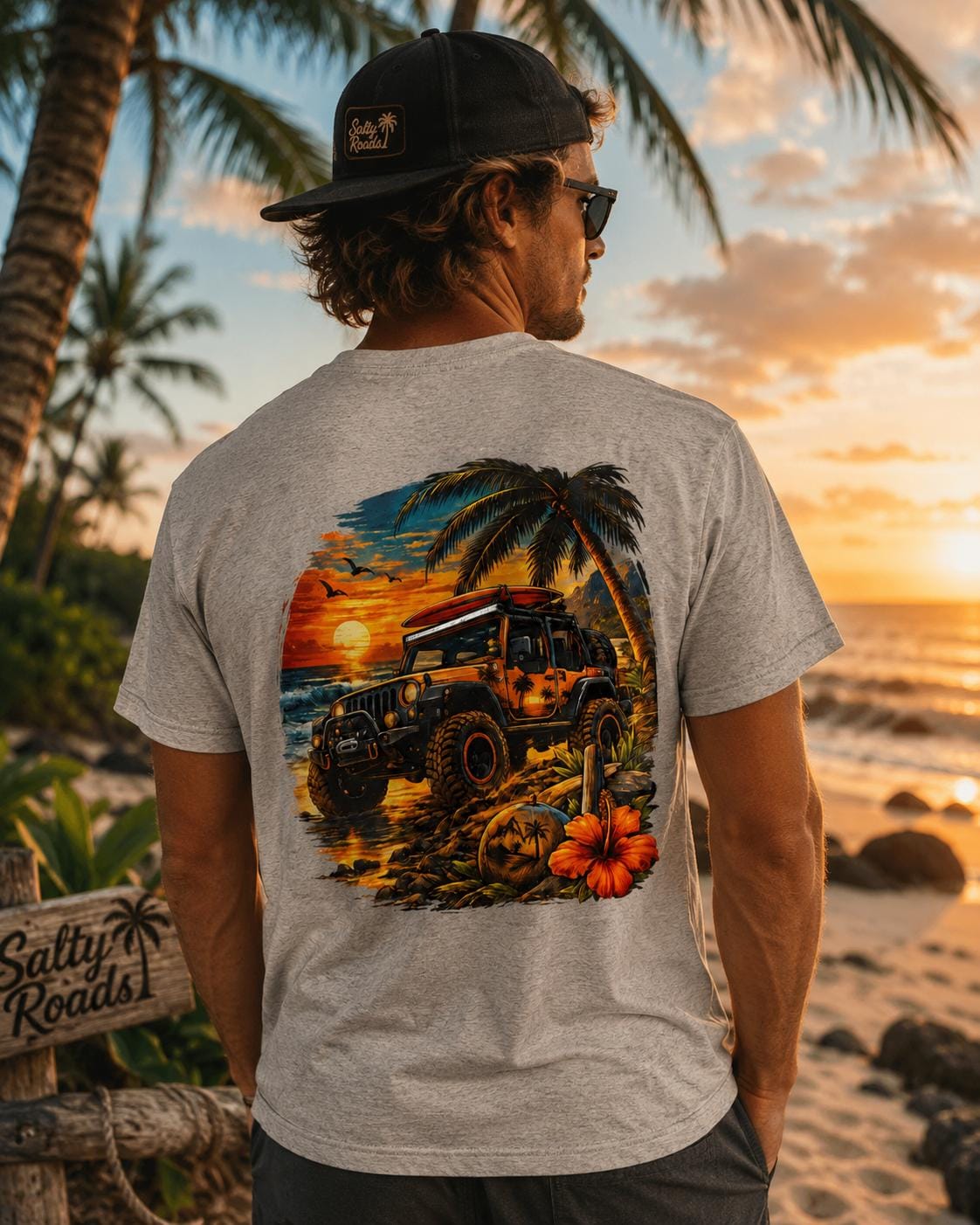
Whether you’re heading out to study the herd’s lineage or just looking for a day of solitude in the dunes, remember that your presence has an impact. Wear your Salty Roads™ Sunset Escape - Coastal Adventure Tee as a badge of that respect—it’s built for the rugged, salty life we lead, and it’s a reminder that we’re all just stewards of this wild coastline. Treat the island with the reverence it deserves, and it will give you memories that last a lifetime.