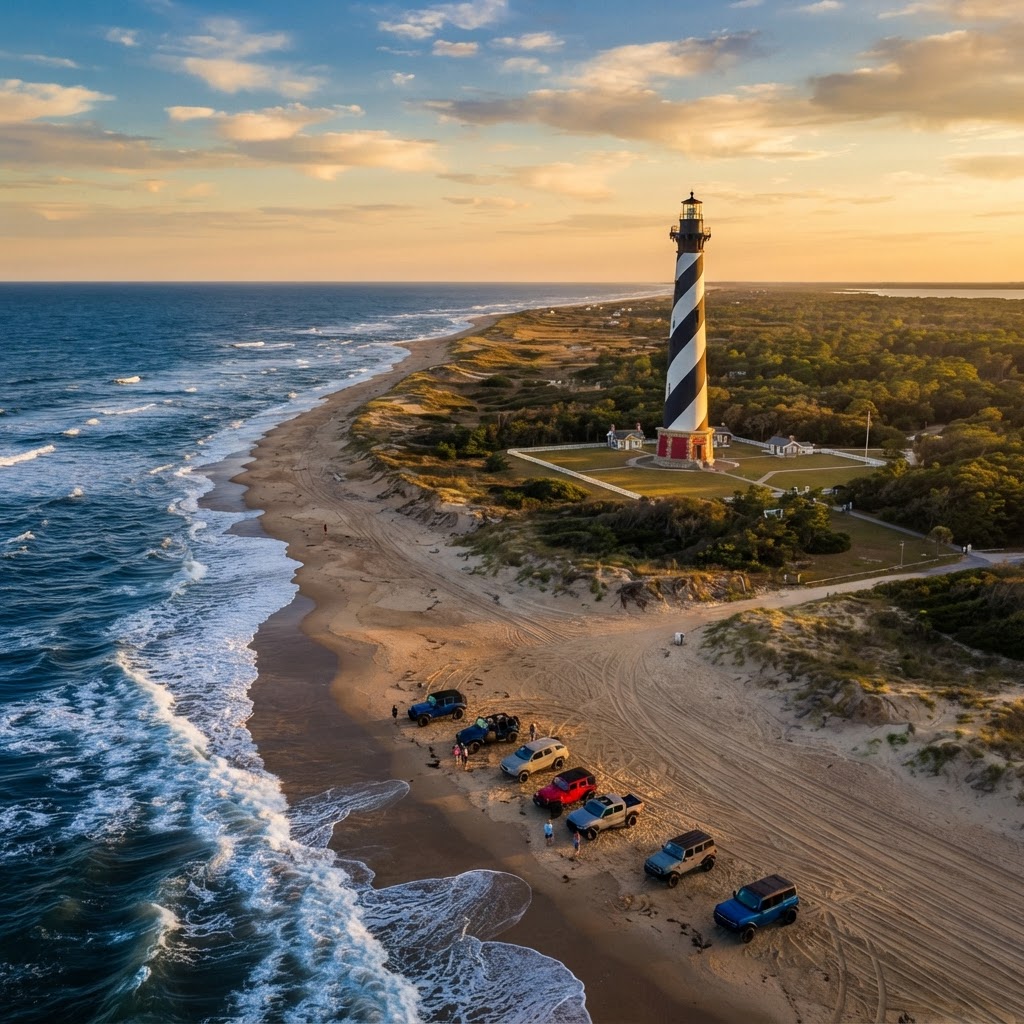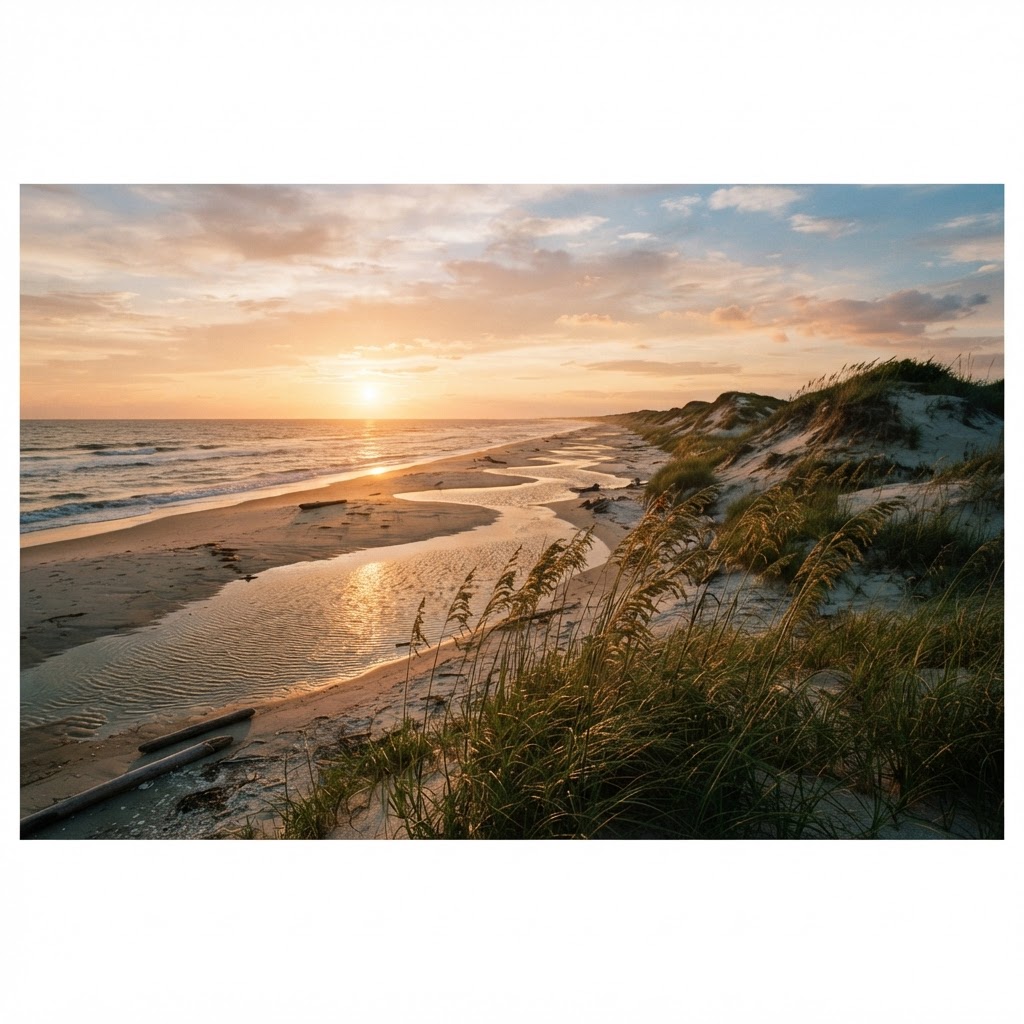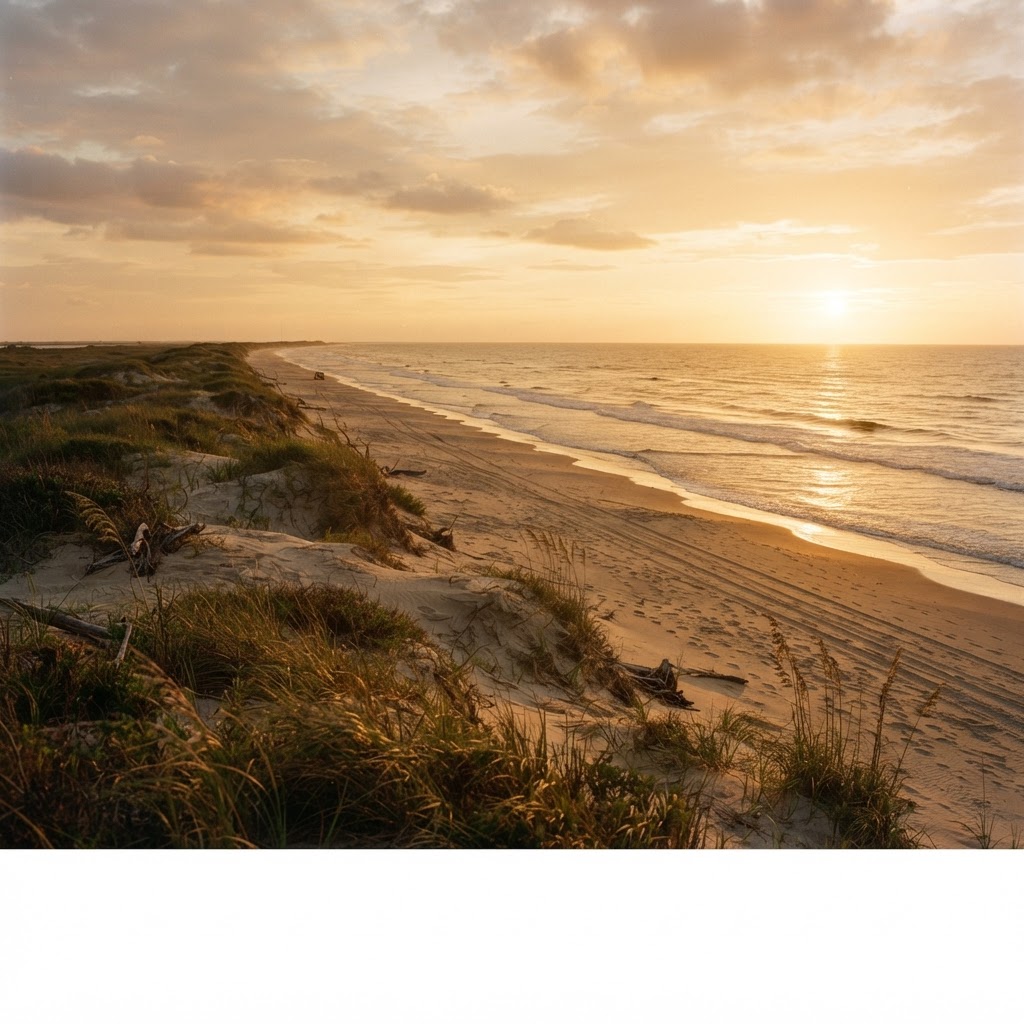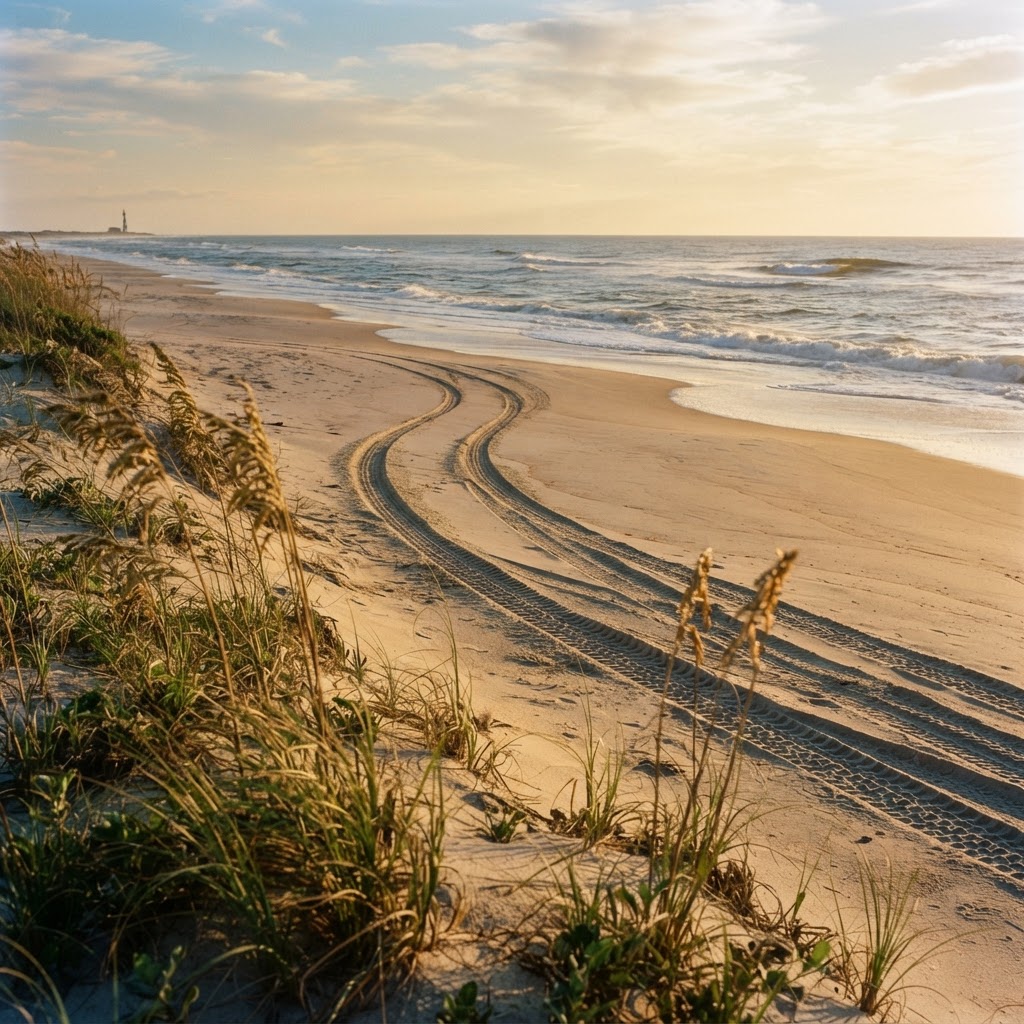
There’s nothing quite like the feeling of the salt air hitting your face as you drop your tire pressure and point your nose toward the breaking surf of the Outer Banks. Navigating the Cape Hatteras National Seashore is a rite of passage for every coastal adventurer, but as we head into 2026, the sand stays shifting, and the rules are as fluid as the tides—here is how to navigate the beach this year without getting stuck or ticketed.
Understanding Cape Hatteras ORV Routes in 2026
The Cape Hatteras National Seashore (CHNS) is managed under a delicate balance of public access and wildlife conservation. For the uninitiated, "ORV routes" aren't just drive-on beaches; they are designated corridors—often narrow, sometimes soft, and strictly regulated—that stretch from Coquina Beach down to Ocracoke.
In 2026, the National Park Service (NPS) continues to use a zone-based management system. This means that at any given time, specific segments of the beach may be closed due to nesting shorebirds or sea turtles, while others remain wide open. Before you even pack your recovery gear, bookmark the official NPS ORV map. The landscape changes after every Nor'easter; what was a hard-packed superhighway in June might be an impassable washout by August.
How to Get Your 2026 ORV Permit: Costs and Requirements
You cannot legally drive on the beaches of Cape Hatteras without an Off-Road Vehicle permit. For 2026, the permit structure remains consistent:
- 7-Day Permit: $50 (valid for seven consecutive days).
- Annual Permit: $150 (valid for one calendar year from the date of purchase).
You can purchase these exclusively online through Recreation.gov. Once purchased, you must print the permit and display it on your dashboard, or keep a digital copy accessible to show a ranger.
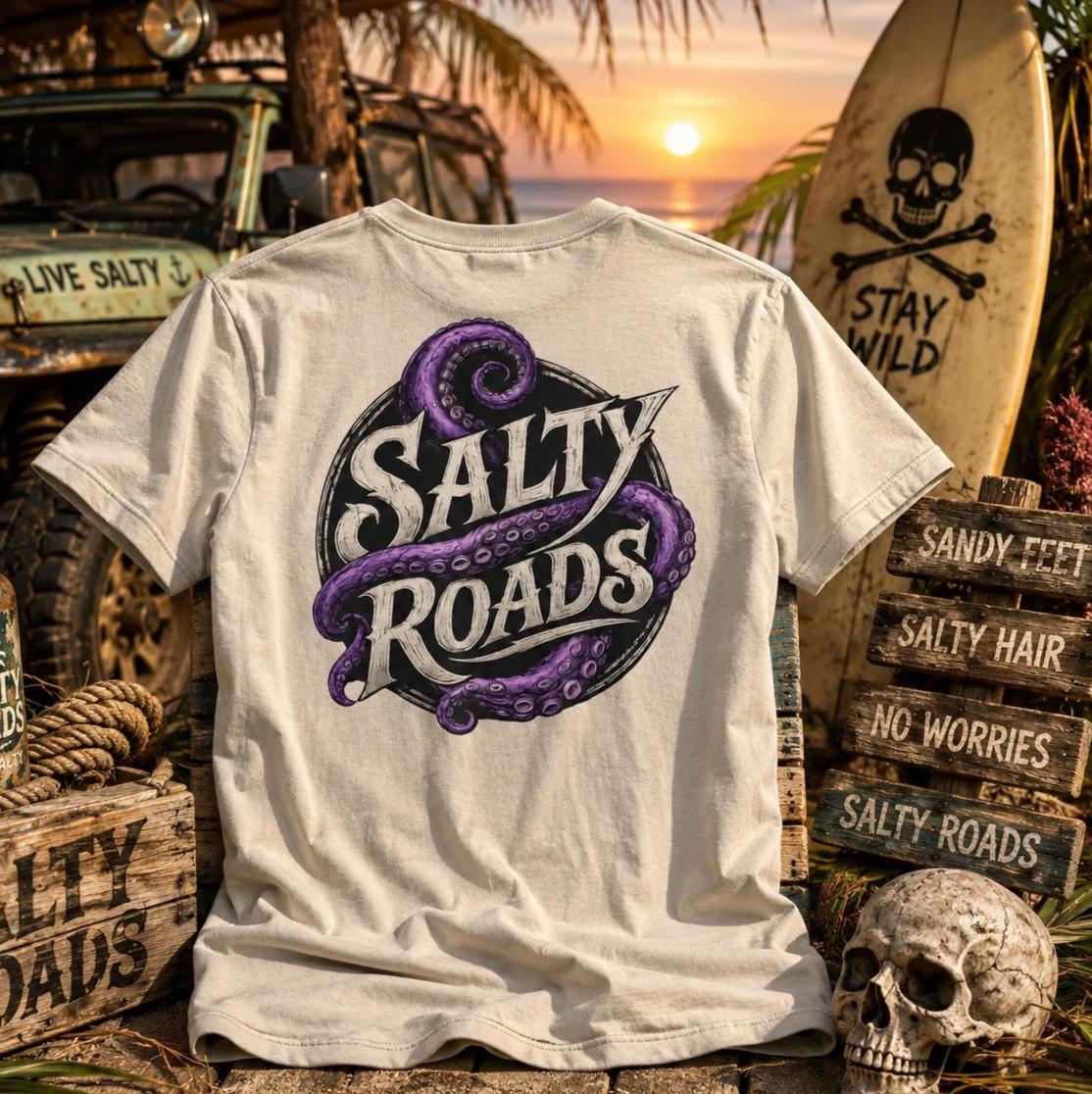
Pro-tip: Don't wait until you’re sitting at the ramp entrance with no cell service to buy your permit. Do it at home, print it, and laminate it or put it in a waterproof sleeve. While you’re prepping your rig, pull on your Salty Roads™ Coastal Cruiser Logo Tee—it’s breathable enough for the sweltering island humidity and durable enough to withstand a day of gear-hauling.
Priority Ramps vs. Non-Priority Ramps: Summer Operating Hours
During the peak summer season (roughly May through September), the NPS enforces specific operating hours for ORV ramps to balance visitor safety.
- Priority Ramps: These ramps are essential access points for the community and emergency vehicles. They typically open at 6:00 AM and close at 9:00 PM. Access is prioritized to ensure that high-traffic areas don't become bottlenecked.
- Non-Priority Ramps: These often have more restrictive windows, sometimes opening at 7:00 AM or 8:00 AM depending on shorebird activity in the immediate vicinity.
Always check the digital signboard at the ramp entrance. If the gate is closed, do not attempt to bypass it—you’re looking at a hefty fine and a quick end to your beach vacation.
Navigating Record Sea Turtle Nesting Closures and Night Driving Rules
2026 is seeing a significant uptick in protected species nesting, which unfortunately translates to more "Resource Closures." When a sea turtle nest is identified, the NPS will rope off a buffer zone around it. These closures can span hundreds of yards, effectively cutting off ORV corridors.
Night driving is permitted from November 16 through April 30, but from May 1 to November 15, all ORV beaches close at 9:00 PM to minimize artificial light interference with hatchlings. If you’re caught on the beach past curfew during the nesting season, the fines are non-negotiable. Respect the closures; we’re visitors in their home, after all.
Essential Off-Road Gear: Airing Down and Required Tools
If you think you can drive on Hatteras sand at street pressure, you’re the person we’ll be filming with our phones while you bury your axle to the frame.
Required Equipment Checklist:
- Tire Pressure Gauge: Air down to at least 15–18 psi. It creates a footprint that floats on the sand rather than digging in.
- Jack and Jack Support: You need a piece of wood or a specialized base to prevent your jack from sinking into the soft sand.
- Shovel: A standard garden spade won't cut it. Get a long-handled shovel with a sturdy blade.
- Tow Strap: Ensure it’s rated for your vehicle’s weight, with no metal hooks (use soft shackles instead).
- First Aid Kit: Always keep one in the glovebox.
When the tide turns and the sun dips low, there is nothing better than pulling up to the shoreline, cracking open a cold beverage in your 16oz Tropical Off-Road Adventure Beer Pint Glass, and watching the Atlantic put on a show. It’s the perfect way to toast to a day of successful navigation.
Seasonal ORV Routes: What Opens on October 15
The turning point for Cape Hatteras is October 15. This is when many of the summer beach closures—specifically those related to nesting shorebirds—are lifted. As the weather cools and the crowds thin, the beach access expands significantly. Many routes that were restricted during the summer heat become wide-open stretches of paradise.
The fishing also kicks into high gear during this time. The "fall run" of drum and striped bass brings out the hardcore anglers, and the increased access allows you to find your own private stretch of sand away from the popular ramps. Just remember: even in October, the sand can be unpredictable.
Best Practices for a Safe Outer Banks Beach Drive
- Maintain Momentum, Not Speed: Keep a steady pace. If you start to lose traction, turn the wheel side-to-side to find fresh sand rather than slamming on the accelerator.
- Follow the Ruts, But Be Wary: Deep ruts can be a blessing or a curse. If they’re too deep, your differential will drag. If that happens, get out and clear the center hump before moving on.
- Respect the Pedestrians: In zones where beachgoers are walking, drive at a crawl. Your vehicle is loud, and children often pop out from behind beach umbrellas. Keep it slow, stay alert, and don't be the guy making a scene.
- Know Your Vehicle’s Limits: AWD SUVs are capable, but a true 4WD system with low-range gearing is the gold standard for the soft, sugar-sand found near the inlets.
- Leave No Trace: If you brought it onto the sand, take it off the sand. We want these beaches to stay open for our kids to enjoy, and that starts with keeping the dunes pristine.
Before you head out, make sure you’re dressed for the grit. The Sunset Surf Run T-Shirt is a favorite among the crew here at Salty Roads—it’s built to handle the salt, the sand, and the occasional grease stain from changing a tire on the roadside.
The Outer Banks is a wild, beautiful, and unforgiving place. Respect the rules, respect the wildlife, and—most importantly—respect the tide. We’ll see you out on the dunes.