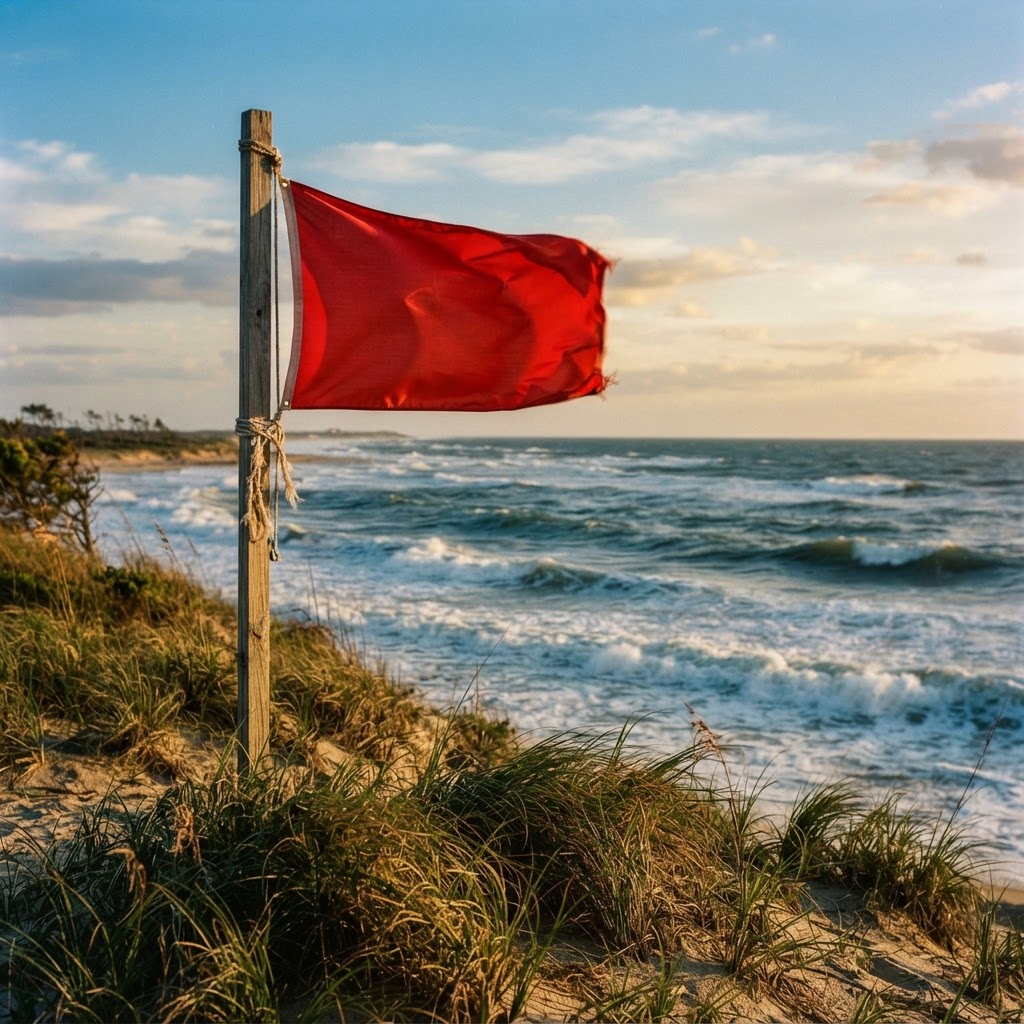
The Atlantic Ocean is the heartbeat of the Outer Banks, but anyone who has spent a summer standing on the dunes of Nags Head or Hatteras knows that this heartbeat can occasionally skip a beat. Whether you’re out scouting the sand dunes in your rig or just looking to catch a few waves, understanding the Outer Banks rip current flags isn’t just good practice—it’s the difference between a legendary vacation and a tragic one.
Why Outer Banks Rip Current Flags Are Your First Line of Defense
When you roll up to a beach access point in towns like Kitty Hawk or Corolla, the first thing you should look for isn't the best parking spot; it’s the colorful flag flying near the lifeguard stand. These aren't suggestions or aesthetic decorations. They are your primary source of real-time intelligence on the ocean’s temperament.
The Outer Banks—a thin, shifting ribbon of sand separated from the mainland by vast sounds—is uniquely susceptible to rip currents. The unique geography of the coastline, combined with the constant motion of the Atlantic, creates "channels" of water that move faster than the strongest Olympic swimmer. These flags are the result of rigorous daily observation by local ocean rescue teams. They gather data on swell heights, wind direction, and tidal shifts every single morning before the first tourist hits the sand, making them the most reliable warning system you have.
The Danger Zone: What a Single Red Flag Actually Means
If you arrive at the beach and see a single red flag flapping in the salt air, it’s time to recalibrate your expectations. A single red flag signals high hazard. It means that the ocean conditions are currently characterized by high surf and/or strong currents.
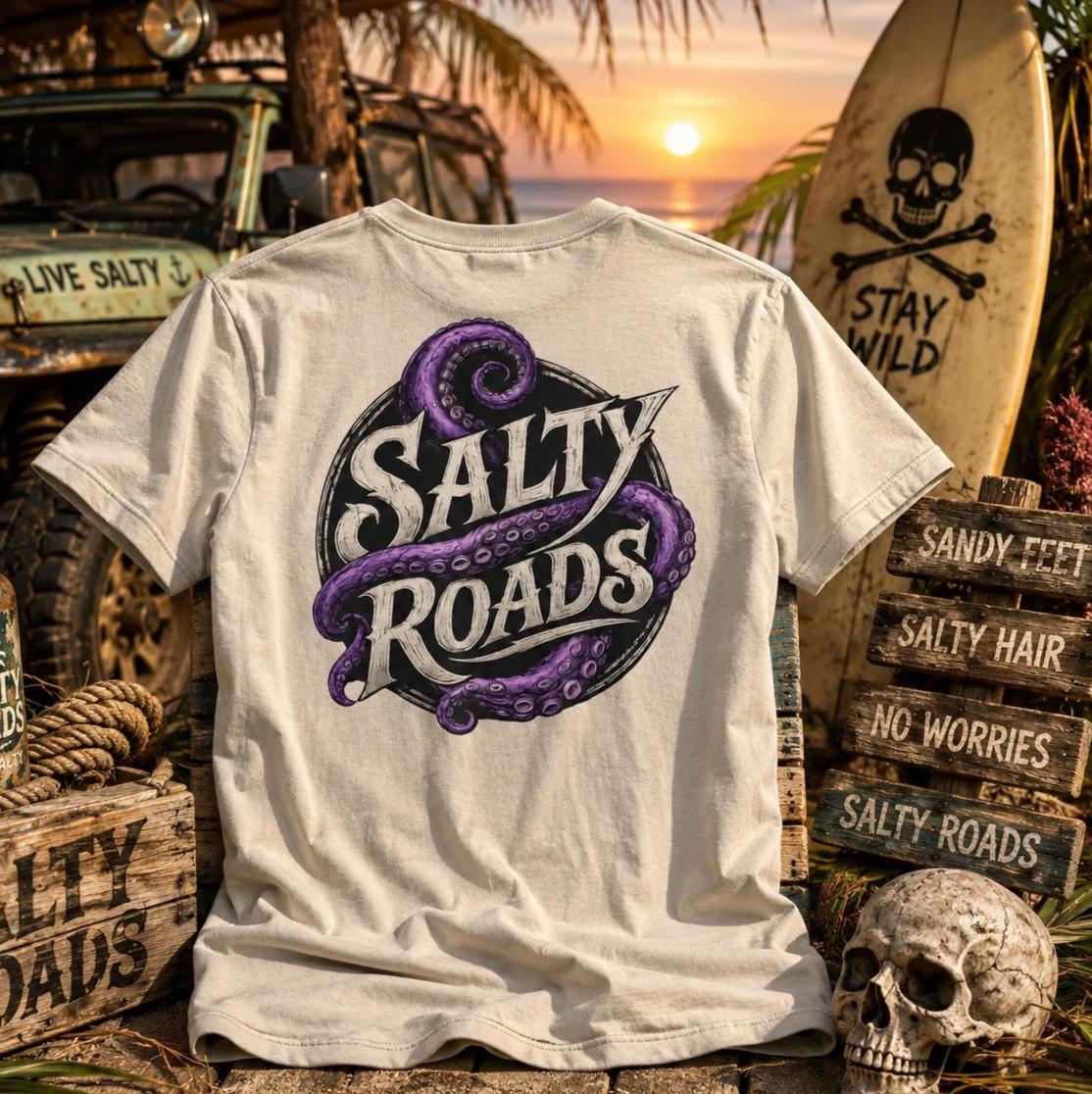
In these conditions, the water is treacherous. Even if the waves don't look mountainous from the shore, the undercurrent can be relentless. If you aren't an expert swimmer, this is the day to stay on the dry sand. If you do go in, stay knee-deep at most and never turn your back on the waves. Many seasoned travelers on the OBX use these "red flag days" as an excuse to kick back in their Salty Roads™ Coastal Cruiser Logo Tee, enjoying the ocean breeze from the safety of a beach chair rather than risking a battle with a rip current.
Water Closed: The Serious Consequences of a Double Red Flag
When you see two red flags stacked vertically, take note: the water is officially closed to the public. This is not a request; it is a mandate. A double red flag means there is a severe hazard that makes entering the water life-threatening.
These flags usually appear during tropical storm systems, passing hurricanes, or extreme swell events where the rip current density is off the charts. Beyond the physical danger, entering the water during a double red flag event can result in hefty fines or being escorted off the beach by local authorities. Furthermore, you are putting the lives of ocean rescue personnel at risk if you get into trouble. When the double reds are up, pack up the gear, head back to your rental, and pour yourself a cold one in a 16oz Tropical Off-Road Adventure Beer Pint Glass to toast the sunset from the porch instead.
Yellow Flags: Proceed with Caution in the Surf
A yellow flag means moderate hazard. The surf is active, and rip currents are possible, but the ocean isn't in a state of fury. This is the "average" day for many seasoned OBX locals.
However, "moderate" doesn't mean "safe." If you’re heading out, you should:
- Always swim near a lifeguard: If you can’t see a tower, you’re in a blind spot.
- Test the pull: Even in yellow conditions, if you feel the water pulling sand out from under your feet, it’s time to move.
- Have an exit strategy: If you are caught in a rip, don't fight it. Swim parallel to the shoreline until you are out of the channel, then swim back in at an angle.
Other OBX Beach Warning Flags: Purple and Red/Yellow Explained
While the red and yellow flags get the most attention, you’ll occasionally see other colors fluttering on the poles. Understanding these ensures you’re a fully informed beachgoer:
- Purple Flag: This indicates the presence of "marine pests." In the Outer Banks, this usually means jellyfish, Portuguese man-of-wars, or occasionally sea urchins. It’s a warning that a sting is likely, which can turn a fun afternoon into a painful medical scramble.
- Red/Yellow Flag: This is a rare sight and indicates that the water is supervised by lifeguards. While it sounds like a positive, it serves as a reminder that the area is designated for swimming and that you should strictly adhere to the instructions of those on-duty guards.
The Low Tide Threat: How Tide Shifts Impact Rip Currents
A common mistake tourists make is assuming that the danger is static throughout the day. In reality, the risk level can shift significantly with the tide.
Rip currents are often most dangerous during the two hours leading up to and following low tide. As the water rushes out from the sound or off the sandbars, it seeks the path of least resistance—often creating, or amplifying, these death-defying channels of moving water. Even on a day marked with a green or yellow flag, if you notice the tide is rapidly receding and the water begins to churn in a specific narrow channel, respect the power of the shift. Keep a close eye on the waterline; if it seems to be retreating quickly, the current is likely picking up steam.
How to Get OBX Beach Condition Text Alerts Direct to Your Phone
You shouldn't have to wait until you are standing on the dune to know if the water is safe. Each county in the Outer Banks has a system for broadcasting these safety updates.
For those vacationing in Dare County (Duck, Southern Shores, Kitty Hawk, Kill Devil Hills, Nags Head, and Hatteras Island), you can sign up for the "Love The Beach, Respect The Ocean" alert system. By texting "OBXBEACHCONDITIONS" to 77295, you will receive real-time text updates regarding beach safety, red flag status, and weather alerts directly to your phone.
Staying connected to these alerts allows you to plan your day before you even load up the Jeep. You can spend your morning mapping out your off-road trails in the dunes and your afternoon catching the waves, all while knowing exactly when the safety status changes. After all, the best part of the coastal lifestyle is knowing how to enjoy the ocean on its own terms. Stay salty, stay smart, and respect the flags.