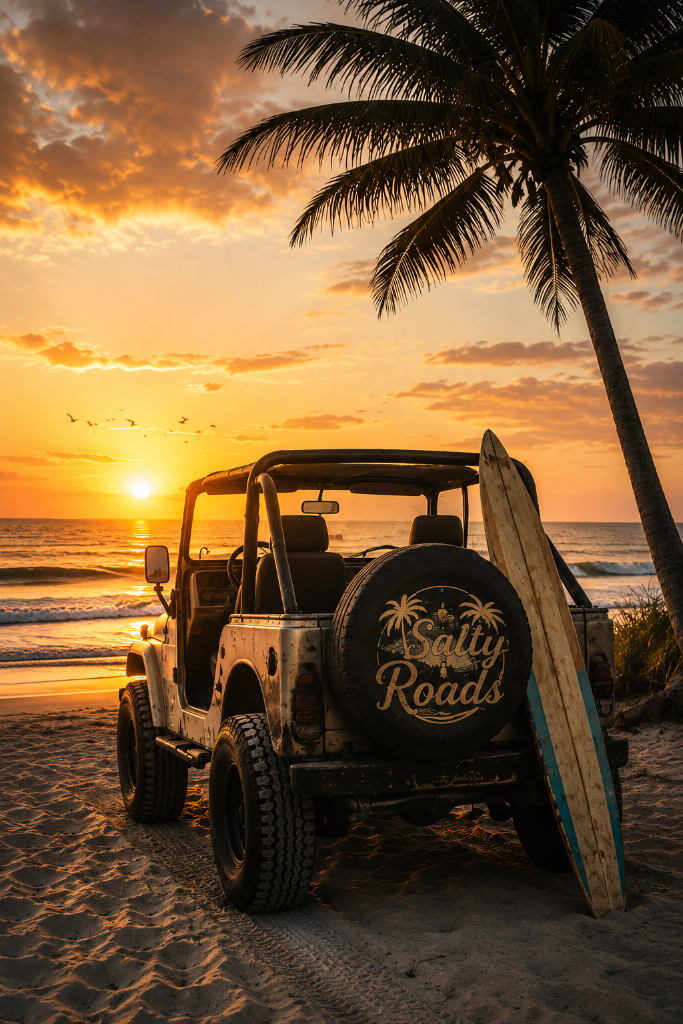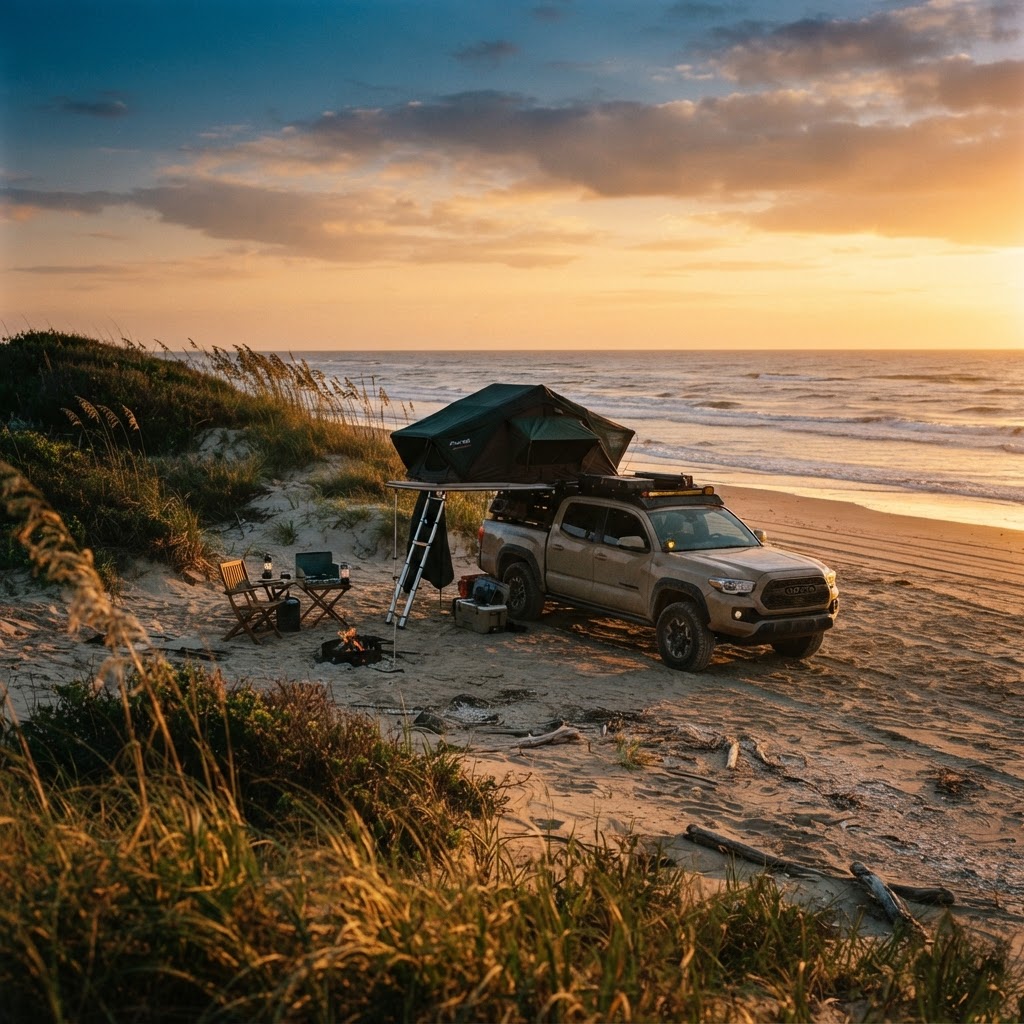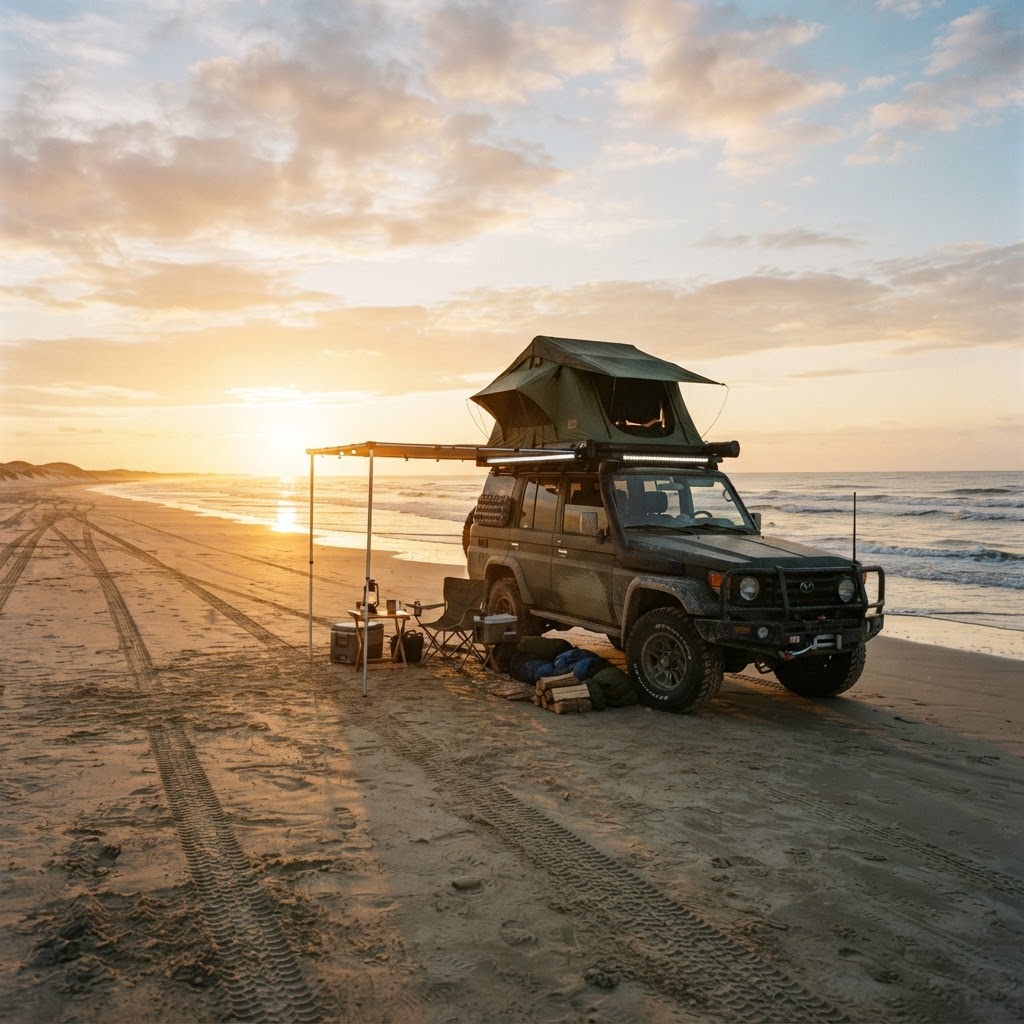
The trail is changing. If you’ve spent any time at overlanding expos or remote beach campsites lately, you’ve noticed the shift: the matte black, "zombie-apocalypse" tactical aesthetic is fading, replaced by a warm, sun-drenched vibe that feels like it drove straight out of a 1974 Surfer Magazine spread. This is the era of 70s retro overlanding, where the spirit of exploration is measured not in light bars and roof-mounted recovery boards, but in canvas, chrome, and high-contrast sunset stripes.
The Shift from Tactical to Throwback: What is 70s Retro Overlanding?
For the last decade, overlanding has been synonymous with precision-engineered, modular, "overland-ready" builds that look more like armored personnel carriers than adventure vehicles. But the pendulum is swinging back to the soul of the road. 70s retro overlanding isn’t about conquering the terrain with extreme technical capability; it’s about the visceral experience of the drive. It’s a return to analog exploration where the rig is as much a fashion statement as it is a tool.
This aesthetic champions the "free-wheeling" spirit—a time when off-roading was less about gear specs and more about finding a hidden beach cove, cracking a cold one, and watching the tide roll in. It is an intentional move away from the high-stress, "go-fast" mentality toward a more relaxed, campfire-centric philosophy.
Sunset Stripes and Free Wheeling: The Resurgence of the 70s 4x4 Aesthetic
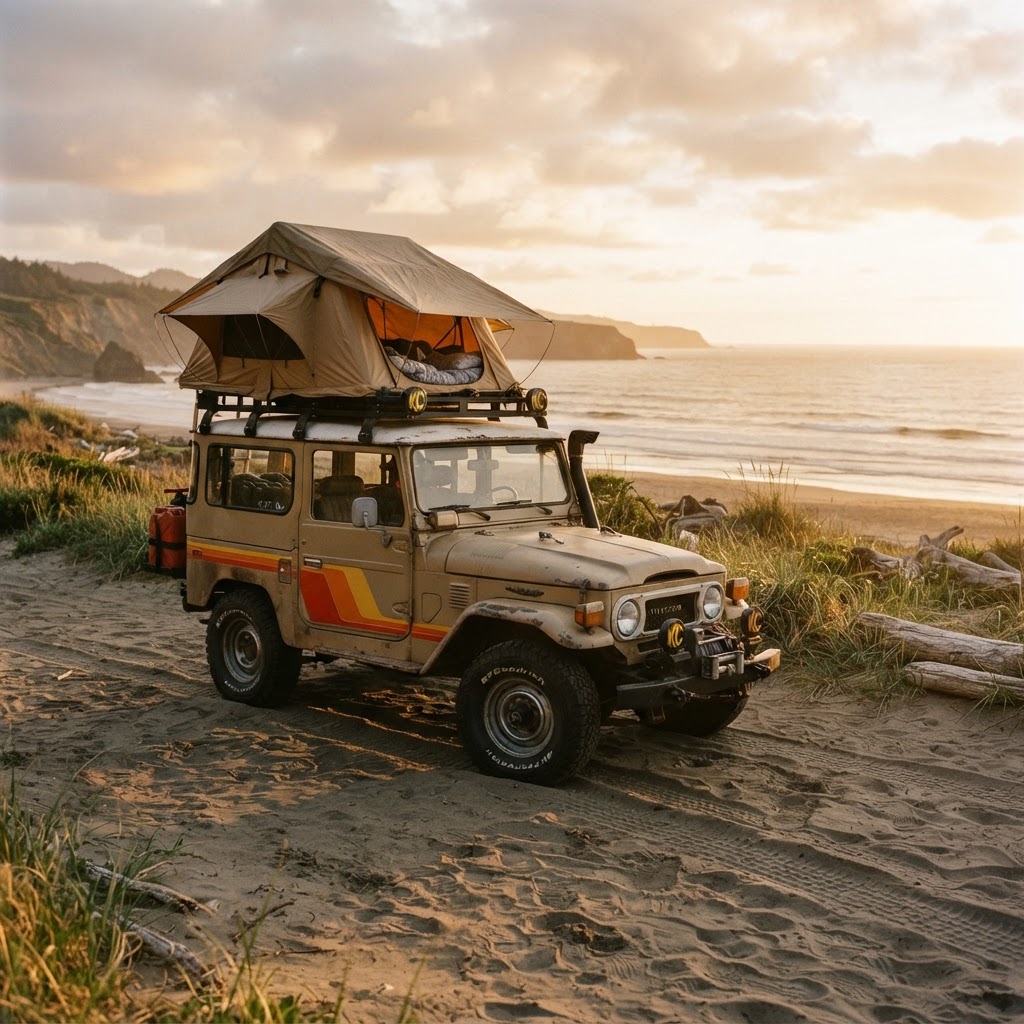
In the mid-70s, manufacturers like Ford, Chevy, and Jeep understood that a truck should look like it’s chasing the sun. We are seeing a massive resurgence in graphics kits—those iconic orange, yellow, and red "sunset stripes" that defined the era. Whether it’s a factory-style reproduction or a custom vinyl wrap, these bold horizontal lines create an instant sense of motion, even when you're parked at the shoreline.
Modern builders are ditching the blacked-out wheels in favor of white-spoke steelies or polished chrome slots. It’s a cleaner, brighter look that doesn't take itself too seriously. When you roll into a campsite sporting those classic graphics, you aren't just another rig in the convoy; you’re an invitation to a conversation.
Iconic Vintage Rigs Leading the Charge: Jeep CJs to K5 Blazers
If you’re looking to join the ranks, you need a platform that understands the assignment. While modern rigs can be retro-fitted, there is nothing quite like the original steel.
- Jeep CJ-5 and CJ-7: These are the holy grails of 70s overlanding. With their narrow track widths and spartan interiors, they offer an unfiltered connection to the road. Finding a "Golden Eagle" edition is like hitting the lottery, but a clean CJ-7 with a set of modern tires is the perfect balance of vintage cool and modern reliability.
- Chevrolet K5 Blazer: For those who need more cargo space for surfboards and coolers, the full-convertible top of the early 70s Blazer is unmatched. There is nothing like cruising the Baja peninsula with the top off, wind in your face, and the classic V8 roar echoing off the dunes.
- International Harvester Scout II: The cool kid’s choice. The Scout has a rugged, boxy geometry that screams 1970s utility. It’s rarer, quirkier, and arguably more stylish than any other 4x4 of the decade.
Analog Camping: Trading Solar Grids for Canvas and Steel Coolers
The true essence of the retro trend is the gear. Stop staring at the lithium-ion battery management display and start focusing on the campfire. Retro overlanding is defined by canvas A-frame tents or vintage pop-up campers that smell like wax and nostalgia.
Swap the rotomolded plastic cooler for a heavy-duty powder-coated steel chest. It might be heavier and not hold ice for five days, but it looks the part, and it serves as a perfect coffee table when you’re tailgating at the beach. Instead of relying on a high-output LED light bar that turns night into day, bring back the warm glow of a propane-fueled lantern. The light quality is better for the eyes, and it sets the right mood for swapping stories long after the sun goes down.
The Essential Retro Overlanding Gear Kit
If you want to nail the vibe, your kit needs to be functional but visually coherent with the era. Here is your baseline:
- Wool Blankets: Keep a couple of heavy, oversized wool camp blankets in the back. They are durable, warmth-retaining, and look perfect draped over a tailgate.
- Enamelware: Ditch the titanium mugs. Enamel coffee mugs and plates are the standard for 70s style—the chips and dings just add to the character.
- The Proper Drinkware: When the day’s driving is done, the gear you use matters. Sip your favorite craft brew or cocktail from an Off-Road Tropical Sunset Beer Pint Glass. There’s something about the island-inspired artwork that feels right at home when you’re overlooking a remote point break, glass in hand, toasting the end of a long trail day.
How to Give Your Modern Off-Roader a Vintage Makeover
Don't have a 45-year-old rig? You can still capture the aesthetic with a modern Jeep Wrangler or Toyota Tacoma.
- De-Chrome (or Re-Chrome): If your truck is covered in aggressive matte black trim, consider swapping some pieces for stainless or polished chrome.
- Vinyl Wraps: A custom decal kit is the fastest way to transform the look. Look for kits that mimic the "Free Wheeling" packages of the 70s with high-contrast gradient stripes.
- Tire Choice: Move away from the most aggressive mud-terrain tires. A set of retro-styled all-terrains with white-letter sidewalls (the classic "OWL" look) instantly makes a modern SUV look ten years older in the best way possible.
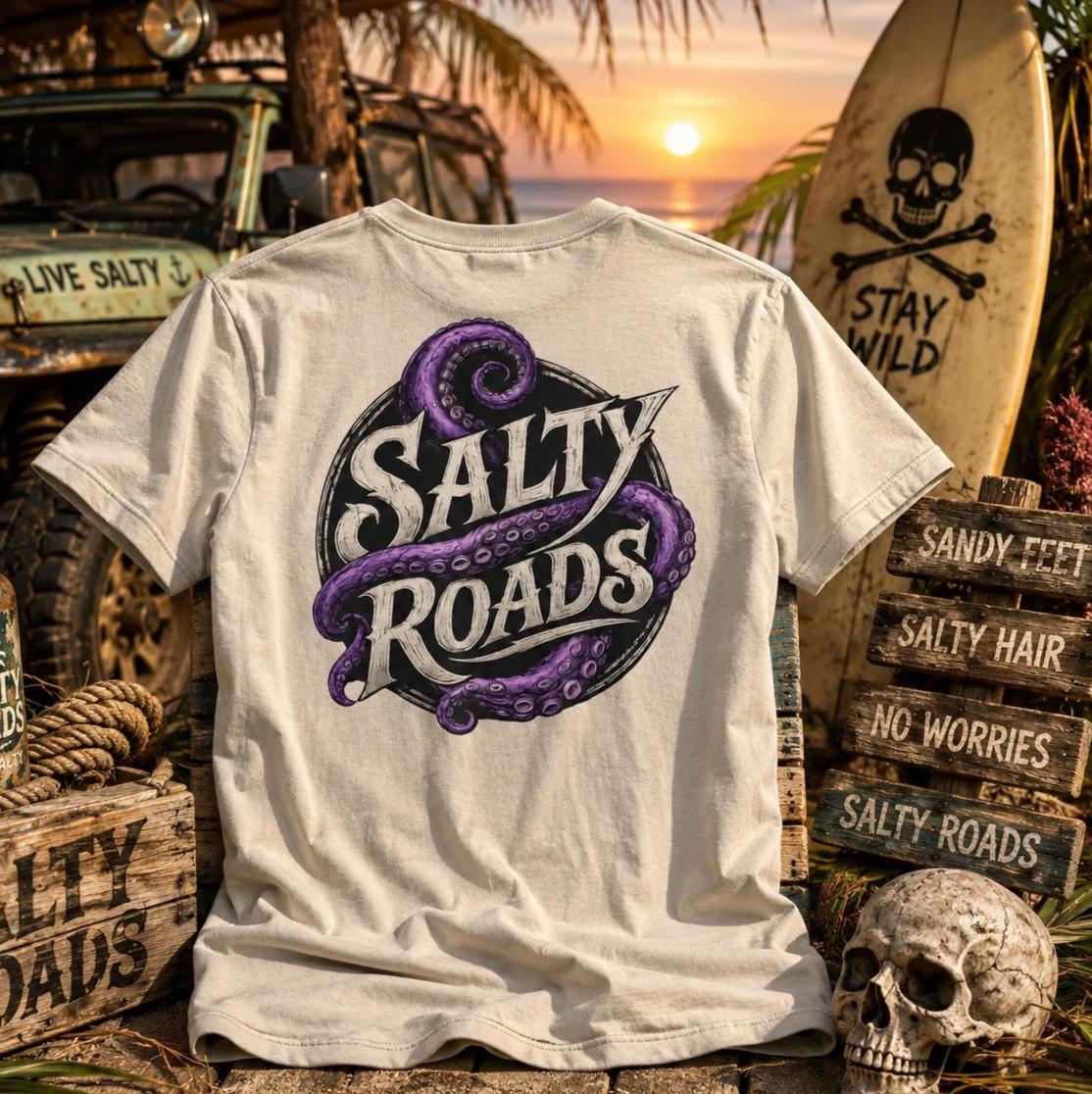
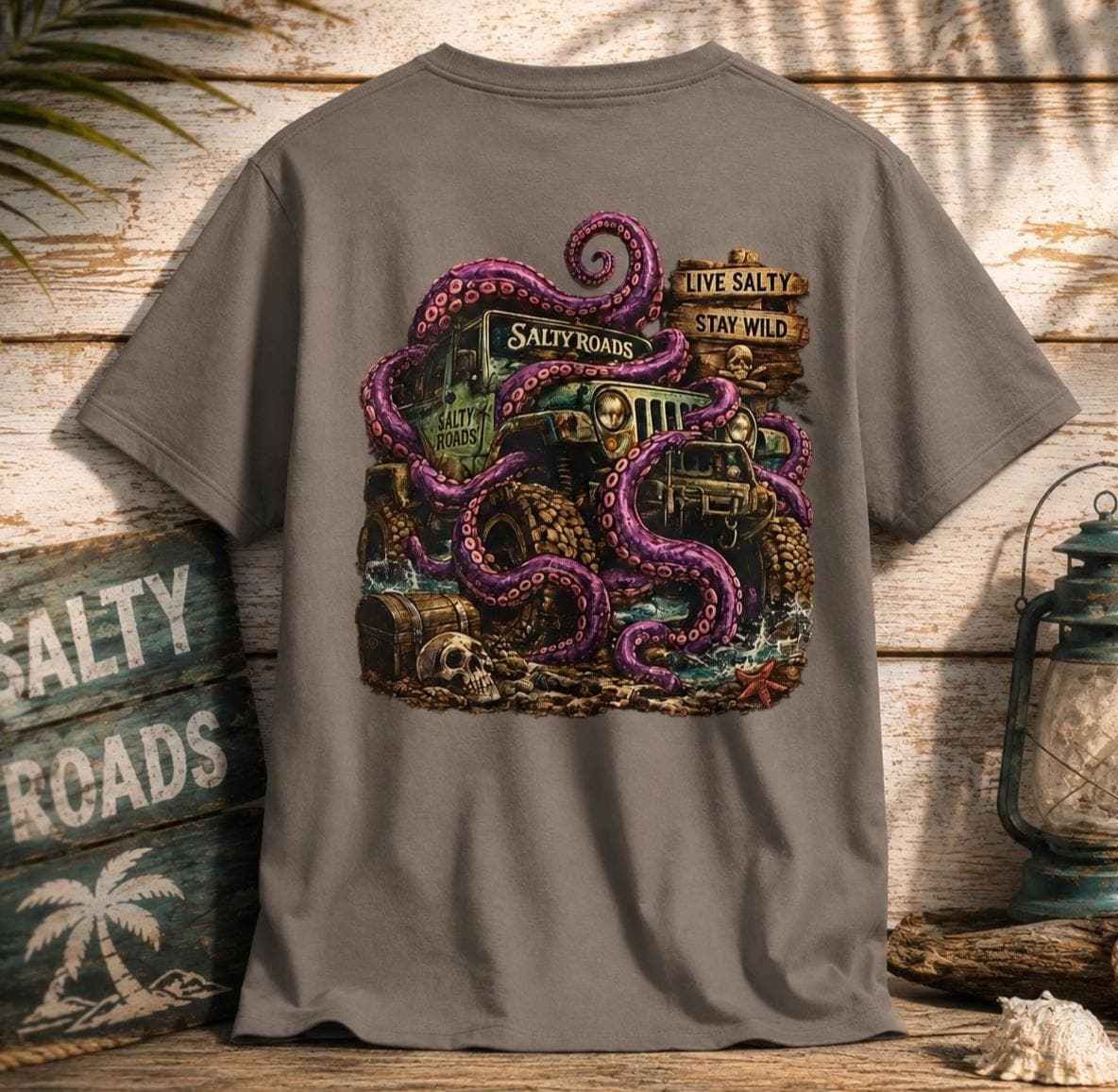
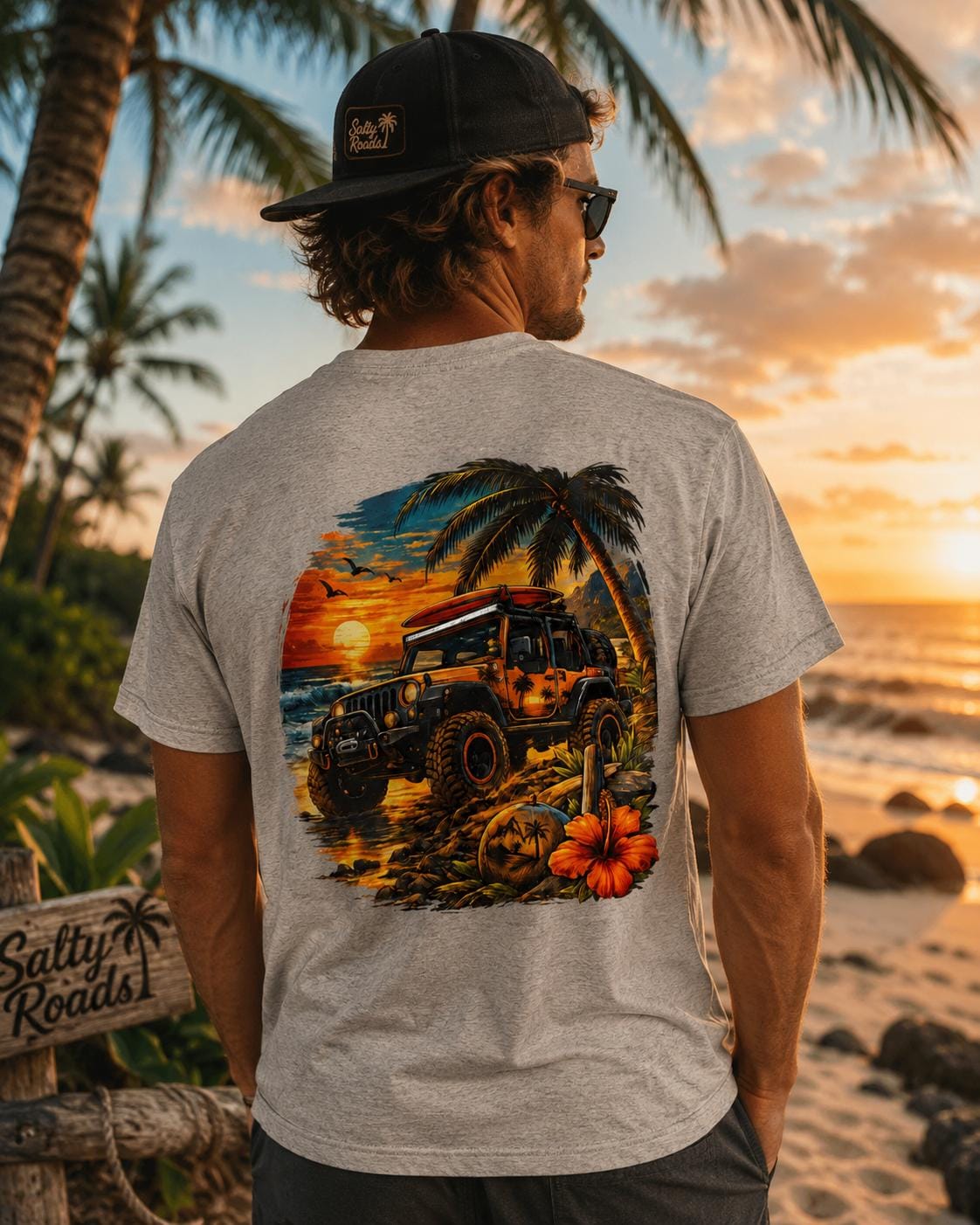
- Wardrobe: You can’t drive a retro-inspired rig while wearing high-tech technical shells. Lean into the lifestyle with apparel that reflects the mission. A Salty Roads Island Escape T-Shirt pairs perfectly with the driver’s seat of a vintage CJ, while the Sunset Surf Run T-Shirt is built for those mornings when you’re checking the beach break before committing to the next leg of the trail.
Savoring the Slow Pace of Classic Overlanding
The most important part of this movement isn't the paint job or the steel cooler—it’s the pace. Overlanding was never intended to be a race to the finish line. 70s retro overlanding forces you to slow down. When you’re driving a vehicle with 40-year-old suspension geometry, you don’t hit the washboard roads at 40 miles per hour. You take it easy. You notice the landscape. You see the details that the high-speed crowd misses.
Plan your trips around the "slow movement." Spend three days in one location rather than hitting three locations in one day. Wake up for the dawn patrol surf, spend the afternoon reading in a hammock strung between your rig and a palm tree, and prepare a real meal on a cast-iron skillet over an open fire.
The beauty of this trend is that it’s inclusive. It doesn't require a six-figure custom build. It requires a sense of adventure, an eye for color, and the willingness to let go of the "tactical" perfection that has bogged down the overlanding community for too long. Whether you’re heading to the Outer Banks of North Carolina or the cliffside trails of the Oregon Coast, keep the top down, the stripes bright, and the pace slow. You’ll find that the best part of the journey isn't the destination, but the feeling of driving toward a sunset that never seems to end.