August on South Padre Island is a glorious, sun-drenched beast that rewards the prepared and humbles the reckless. If you’re heading to the Texas coast this month, you’re in for legendary beach days, but you’ll need to respect the raw power of the Gulf sun to keep your vacation from turning into a heat-induced nightmare.
1. What to Expect from South Padre Island August Weather: 90°F Highs and 115°F Heat Indexes
In August, the mercury on South Padre Island typically hovers around 90°F to 92°F, but that number is a deceptive understatement. Because of the high humidity rolling off the Gulf of Mexico, you should be bracing for heat indexes that frequently climb between 105°F and 115°F.
The heat in the Rio Grande Valley doesn’t just sit on you; it hangs in the air. When the breeze dies down—which happens more often than you’d think during the dog days of late summer—the humidity becomes a heavy blanket. Local safety bulletins in Port Isabel often warn visitors that the heat index is the "real" temperature your body experiences. You aren’t just fighting the sun; you’re fighting an environment where your sweat struggle to evaporate and cool you down. Respect the midday peak, typically between 1:00 PM and 4:00 PM, by getting off the open sand and finding an A/C-controlled haven or deep shade.
2. Timing Your Beach Days: Dawn Patrol and Sunset Drives
If you want to enjoy the sand without feeling like a rotisserie chicken, you have to adjust your internal clock to "Coastal Standard Time."
- Dawn Patrol: The absolute best time to be on the beach is between 6:30 AM and 10:00 AM. The sand is cool, the water is glassy, and you can get a solid four hours of beach time before the sun turns brutal.
- The Midday Retreat: From 11:00 AM to 4:00 PM, leave the beach to the tourists who haven't read this guide. Go grab lunch, explore the SPI Birding and Nature Center (which has excellent indoor/shaded viewing), or take a nap.
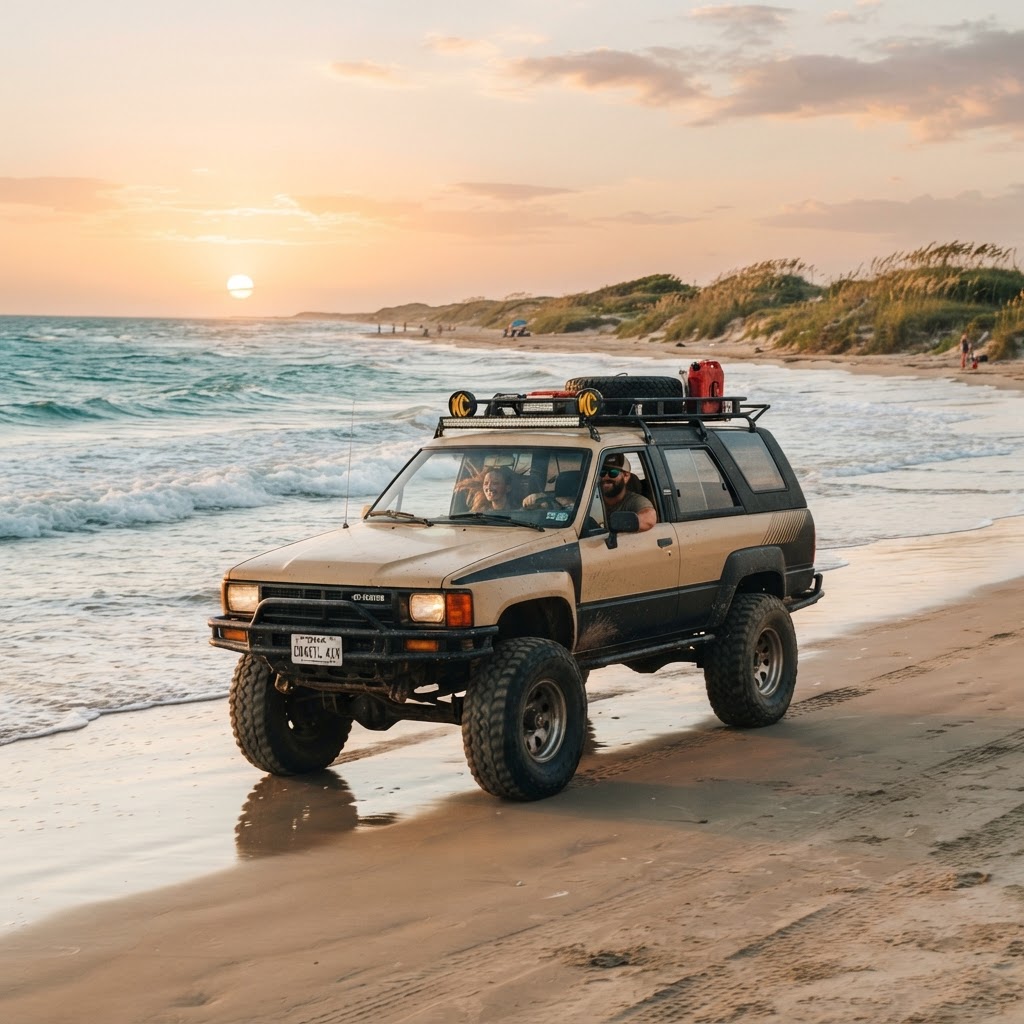
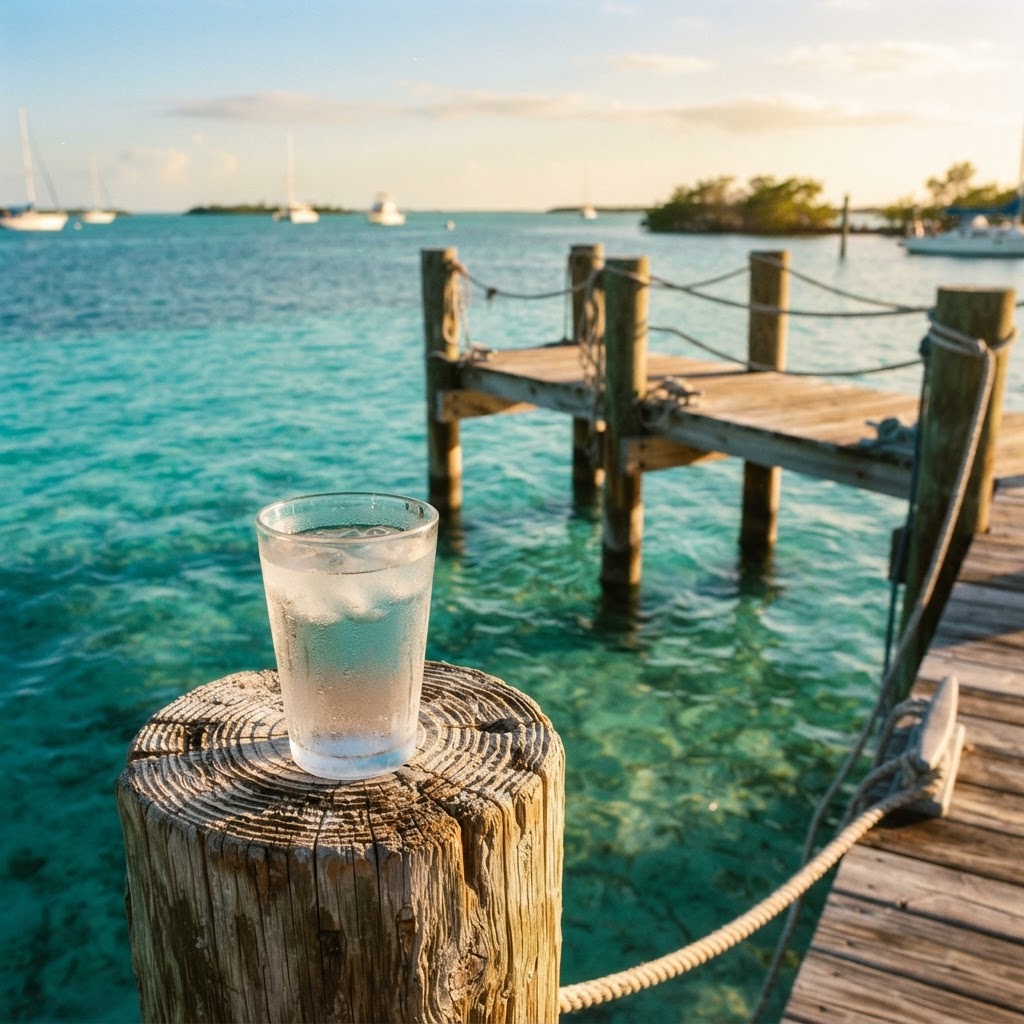
- Sunset Drives: As the sun dips lower, the island shifts gears. The evening golden hour is prime time for Jeep enthusiasts to hit the northern stretches. There is nothing quite like cruising the dunes as the sky turns violent shades of orange and purple. Once the light fades, pour yourself a cold local brew into your 16oz Tropical Off-Road Adventure Beer Pint Glass and toast to another day of surviving the heat in style.
3. Protecting Your Paws: Navigating 122-Degree Sand Safely
Here is the cold, hard truth: South Padre Island sand can reach temperatures as high as 122°F in the direct August sun. That isn't just uncomfortable; it’s enough to cause second-degree burns on bare feet in a matter of seconds.
If you are carrying gear, a cooler, or a beach tent from the parking area to the water line, do not go barefoot. Wear high-quality water shoes or sandals that secure to your feet. If you’re bringing your four-legged co-pilot along, remember that if the sand is too hot for your hand, it’s too hot for their paws. Keep dogs on the paved walkways or within the shade of your setup until the sun loses its bite.
4. Hydration Hacks for Extreme Texas Gulf Coast Heat
When it’s 110°F on the dunes, water isn't enough. You need electrolytes.
- The 2:1 Rule: For every alcoholic beverage or soda you consume, drink two bottles of water or an electrolyte-heavy sports drink. The salt in the air will dehydrate you faster than you realize.
- Pre-Hydrate: Don’t wait until you’re thirsty. Start drinking water the night before you plan to hit the beach.
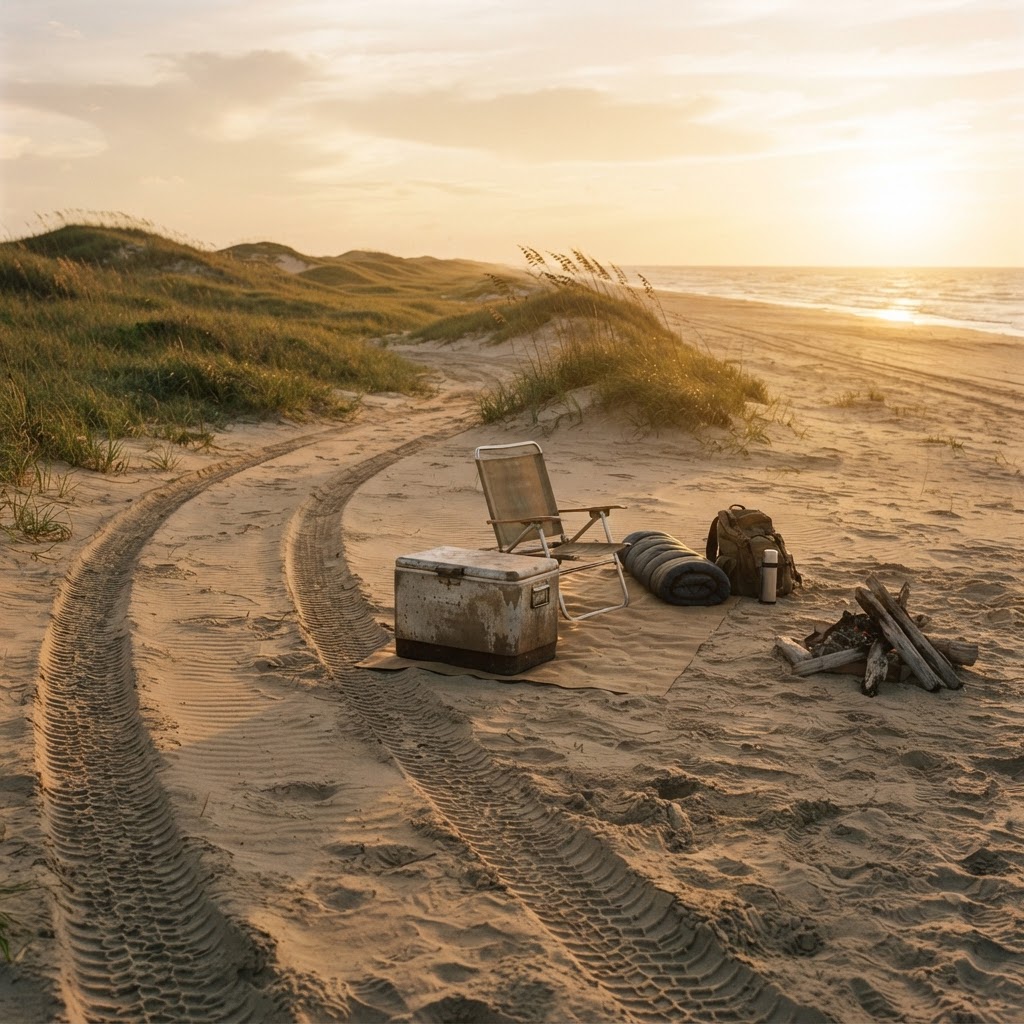
- The Cooler Setup: Pack your cooler with a dedicated layer of ice-cold wet towels. If you start feeling dizzy or overheated, placing a chilled towel on the back of your neck or your pulse points is an instant reset button.
5. Shade Strategies: Awnings, Tents, and Jeep Setups
If you are planning to spend more than an hour on the sand, a beach umbrella is not going to cut it. You need structured, heavy-duty shade.
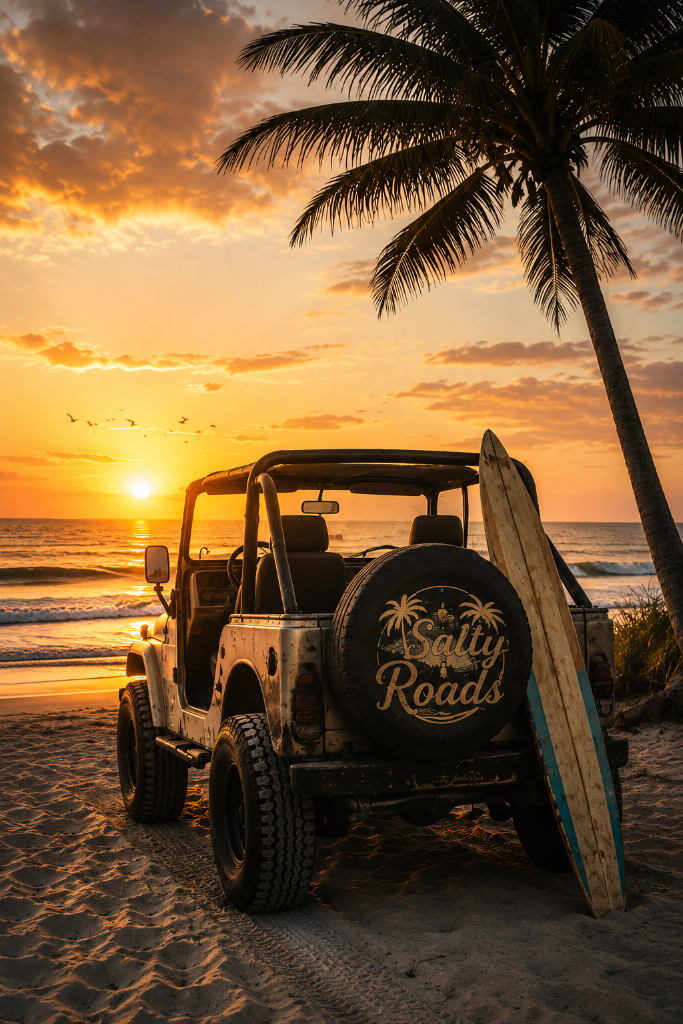
For the Jeep crowd, maximize your rig. Many off-roaders utilize rear-mounted awning systems or "batwing" setups that pull out from the side of the vehicle. This creates a massive footprint of shade that keeps your gear—and you—out of the direct glare. If you're using a pop-up canopy, make sure it’s properly staked into the sand with heavy-duty sand screws. The Gulf breeze can turn a cheap shade structure into a projectile weapon in a matter of seconds. Ensure your base camp is set up where you can retreat inside your vehicle's shade canopy while wearing your Salty Roads™ Sunset Escape Coastal Adventure Tee, which is designed with breathable fabric for those sticky, high-humidity afternoons.
6. Recognizing Heat Exhaustion and Rip Current Risks
The ocean is just as dangerous as the sun. In the Lower Texas Gulf Coast, rip currents are often invisible to the untrained eye. Before you step into the surf, check the flag system at the beach access points. If you see yellow or red flags, proceed with extreme caution. If you are caught in a rip current, don’t fight it. Swim parallel to the shore until you are out of the current’s pull, then swim back to land.
Simultaneously, keep an eye on your crew for signs of heat exhaustion:
- Warning Signs: Profuse sweating, cool/clammy skin, rapid pulse, dizziness, and nausea.
- The Action Plan: If someone shows these signs, move them to a shaded, cool area immediately. Sip water, loosen tight clothing, and apply cool, wet cloths to their skin. If they stop sweating or become confused, that is a heatstroke emergency—call 911 immediately.
7. Best Late Summer Off-Road Beach Access Points
Once you have your heat strategy locked down, you’ll want to get away from the crowded public beach accesses near the hotels. Head north.
- Beach Access 5 & 6: These are the gateway to the "North End." As you head north toward the jetties, the crowds thin out significantly. You’ll find more room to spread out your gear and set up your awnings without being on top of other tourists.
- The Flats: North of the city limits, the terrain shifts into a mix of soft sand and harder-packed mud flats. Check your tire pressure before you drop onto the sand—venting down to 18-20 PSI will give you the footprint you need to navigate the softer, hotter sections of the dunes without burying your axles.
- Safety Note: Always travel with a recovery kit. Even if you think you’re just driving on the sand, the heat can soften the terrain, and getting stuck in the midday sun is a recipe for a heat-related emergency. Carry extra water, a shovel, and traction boards.
August on South Padre Island is a trial by fire, but if you treat the elements with respect, you’ll be rewarded with some of the most vibrant sunrises, quietest off-road tracks, and most memorable coastal nights of your life. Stay hydrated, stay shaded, and keep your gear ready for the next adventure.