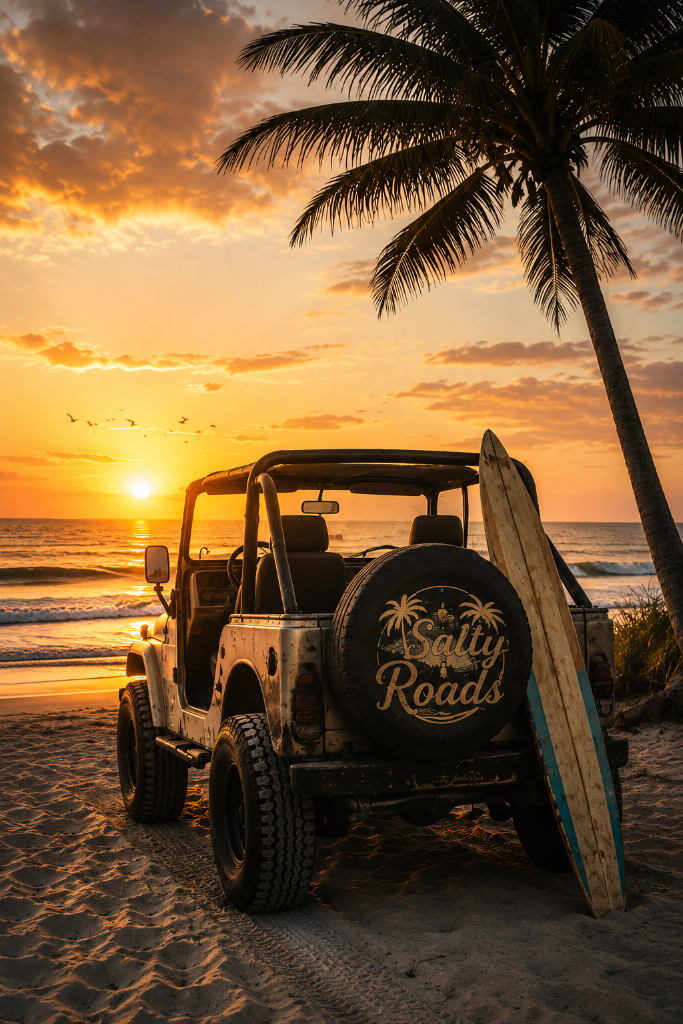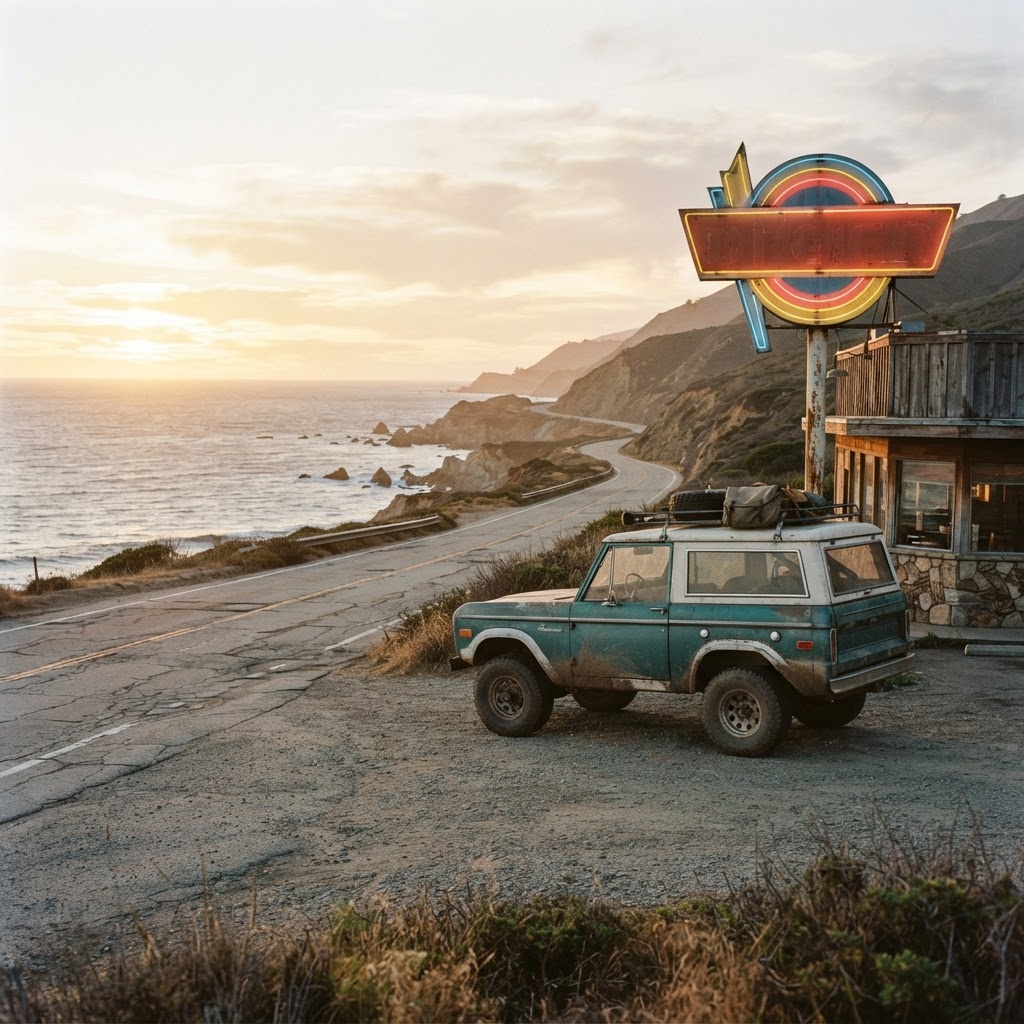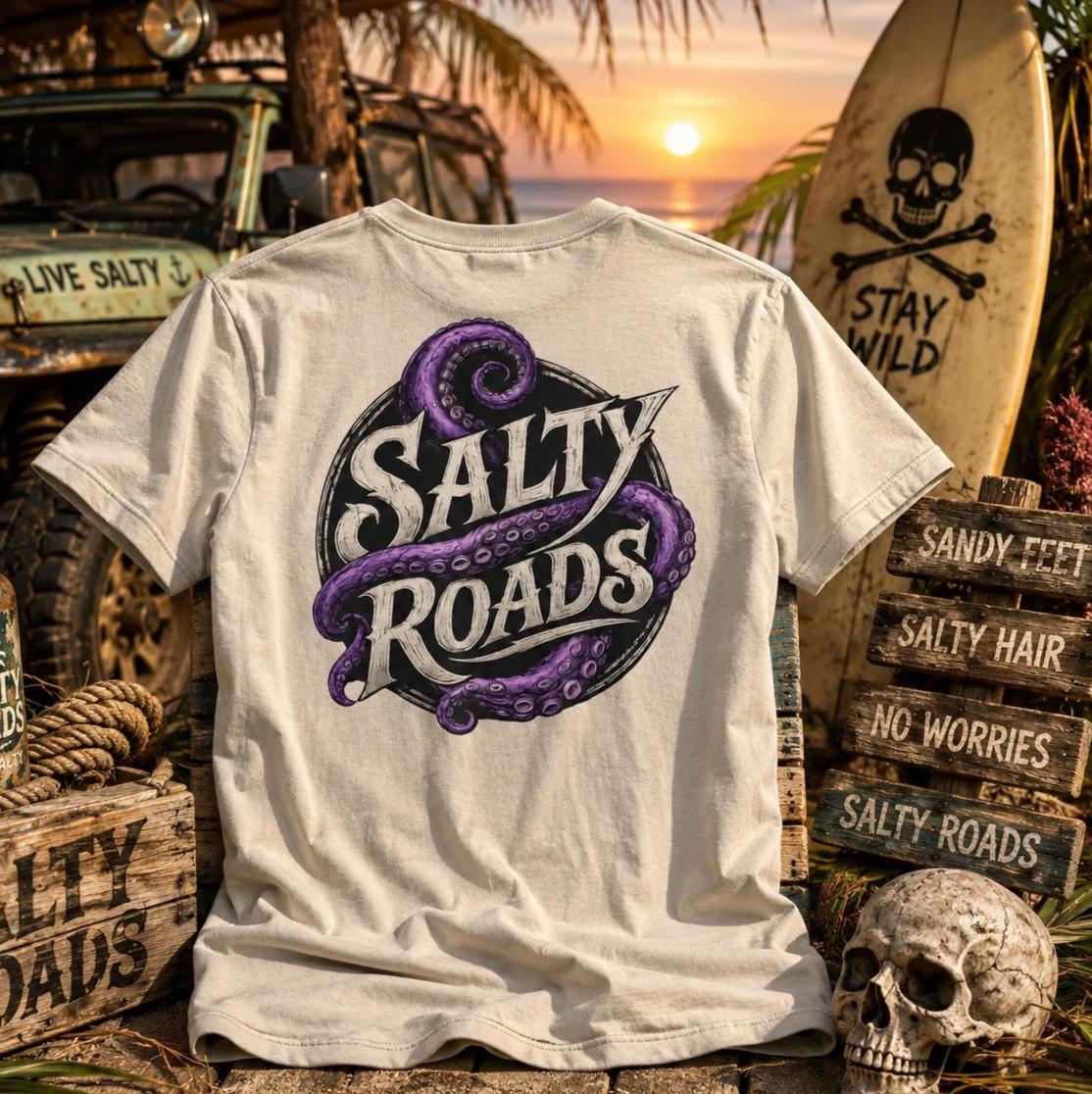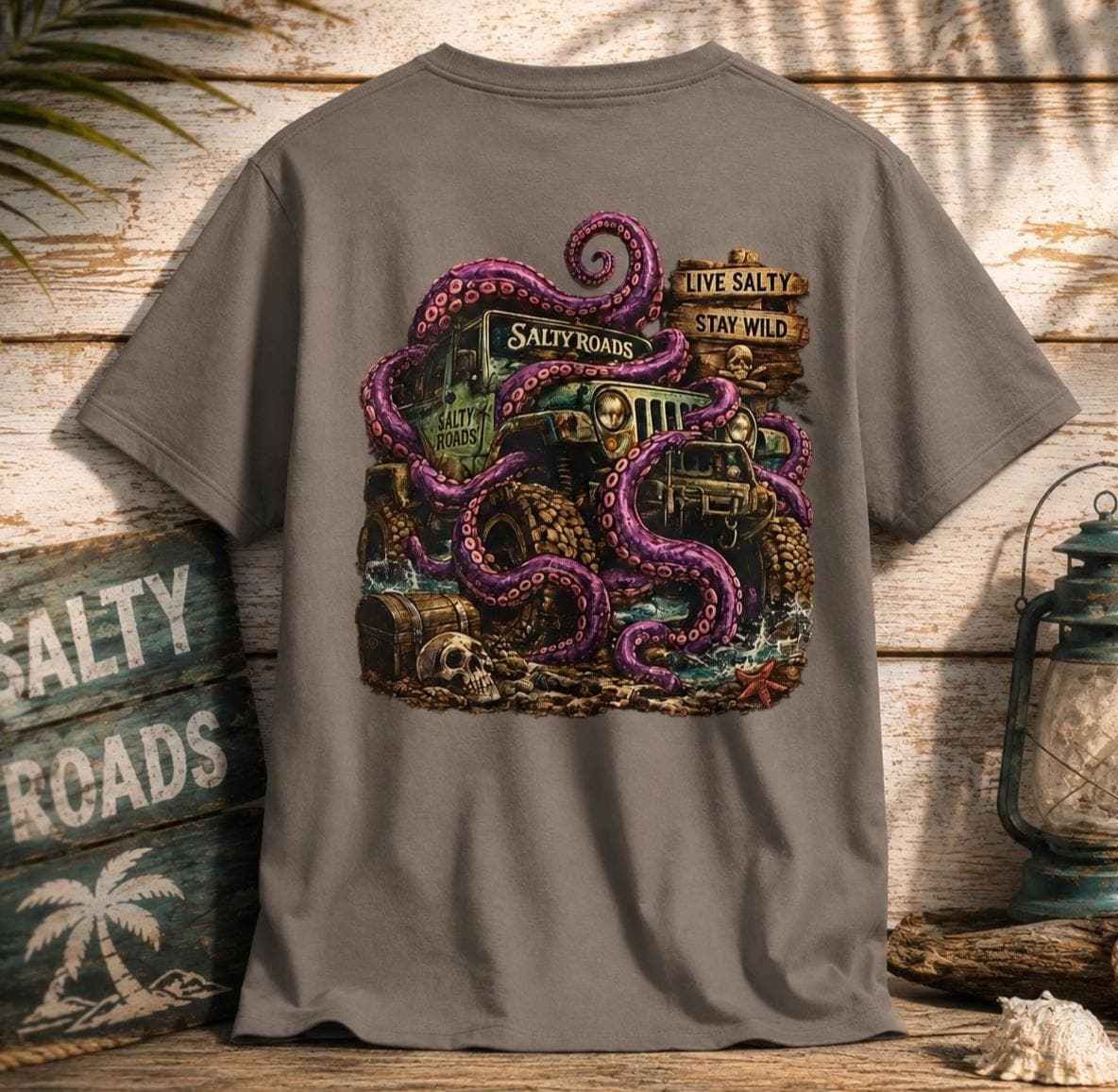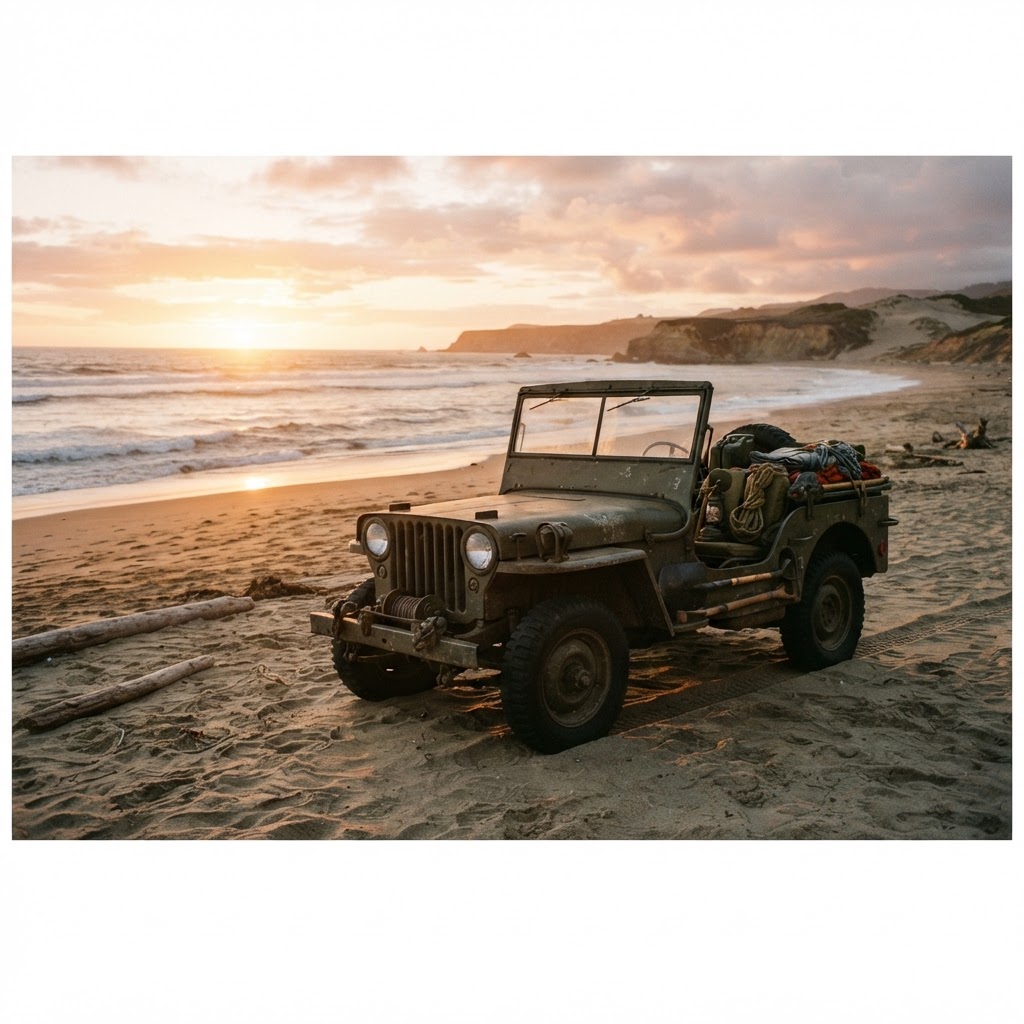
There is a specific kind of magic that happens when you park a rig on a stretch of untouched sand, the smell of salt spray mixing with the faint scent of motor oil. As we move deeper into 2026, the obsession with the Vintage 1941 Jeep Aesthetic isn’t just about retro design—it’s a return to the raw, unfiltered spirit of exploration that defines the coastal lifestyle.
The Rise of the Vintage 1941 Jeep Aesthetic in Modern Coastal Fashion
Fashion cycles are fickle, but the love for 1940s-era utility is anchored in something permanent: authenticity. We are currently seeing a massive shift away from the hyper-modern, digital-heavy aesthetics of the early 2020s and toward a "heritage-first" approach. This trend is heavily fueled by recent nods from manufacturers, specifically the Willys '41 Special Edition Wrangler, which has reminded a new generation that the DNA of every modern SUV starts with a military-grade workhorse built to survive the trenches.
For the Salty Roads crowd, this aesthetic is the ultimate bridge between the backcountry trail and the beachfront campfire. It’s about looking like you’ve been on the road for three weeks, even if you just pulled out of the driveway. It’s rugged, it’s lived-in, and it’s intentionally devoid of the "glossy" finish that defines suburban life.
Honoring the Willys MB: The 1941 Military Roots of Off-Road Culture
To understand the current style, you have to respect the machinery. The Willys MB wasn’t designed to be pretty; it was designed to be functional. Its flat surfaces, seven-slot grille, and fold-down windshield were purely tactical.
This design legacy is the blueprint for our current obsession. When you’re building your rig or choosing your wardrobe, keep these principles in mind:
- Minimalist Function: If a part doesn’t have a purpose, remove it.
- Structural Honesty: Exposed bolts, raw steel, and lack of plastic cladding are hallmarks of the 1941 spirit.
- Durability Over Aesthetics: The original Jeep was meant to be field-repaired with a basic tool kit. Lean into gear that ages well—canvas, heavy-weight cotton, and brass hardware.
Sarge Green & Heritage Tan: The Color Palette of Classic 4x4s
Color is the silent storyteller. If you want to nail the vintage 1941 look, stop looking at the neon spectrum and start looking at the earth.
The "Sarge Green" that has dominated recent Jeep releases isn’t just a paint code; it’s a direct reference to the olive-drab paint that rolled off assembly lines in the early 40s. When pairing your apparel with your rig, think in terms of:
- Olive Drab/Sarge Green: The foundation color. It pairs perfectly with deep browns and muted charcoals.
- Heritage Tan/Khaki: This is the color of the soft top and the original canvas seat covers. It’s the perfect counter-weight to the darker greens.
- Sunset Orange: Used sparingly as a pop color—reminiscent of the sun dipping below the horizon on a Pacific Highway trek.
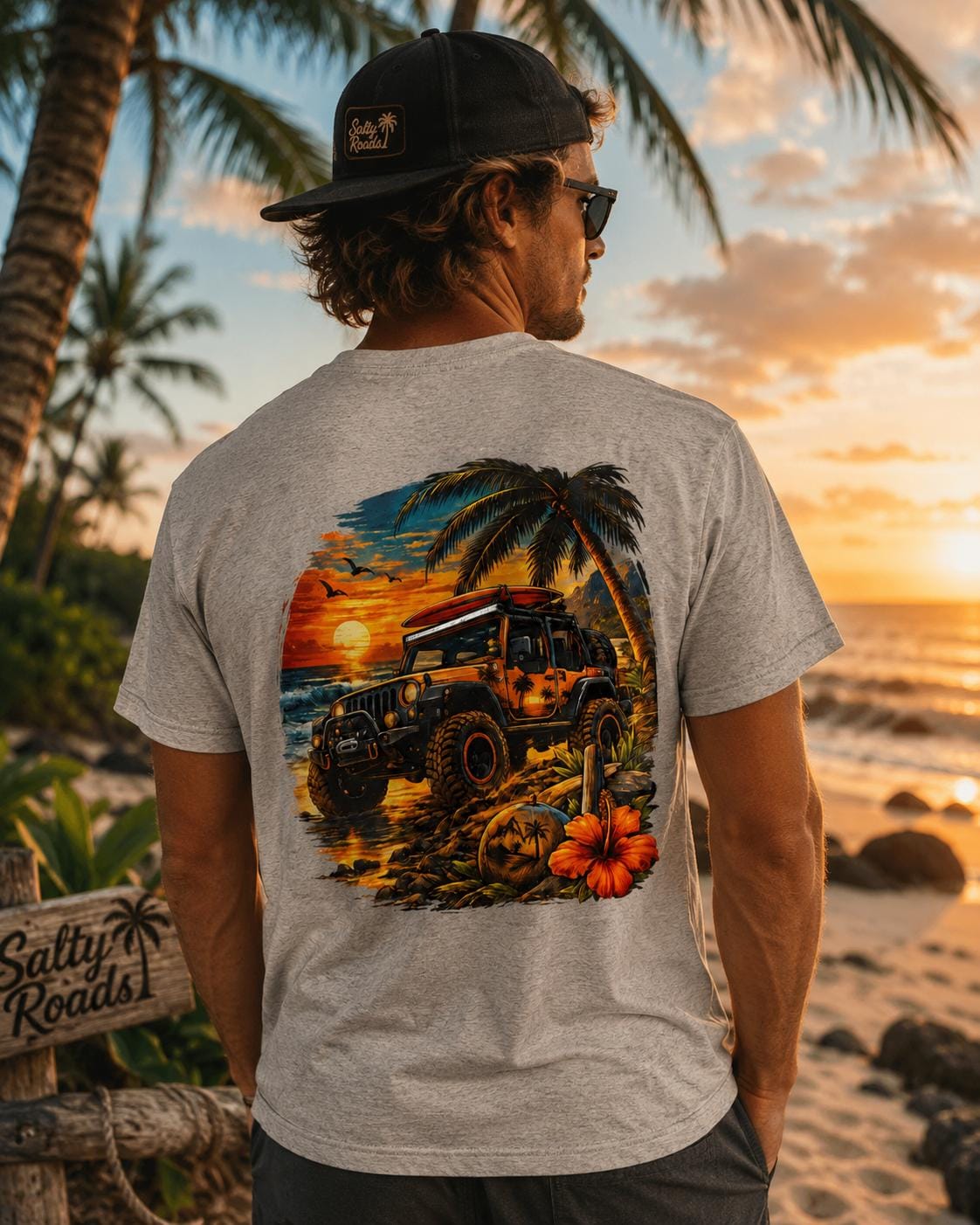
When I’m out on the coast, I prefer to keep my layers simple. A Salty Roads™ Coastal Cruiser Logo Tee in a faded olive tone fits this palette perfectly. It has that lived-in, garment-dyed feel that suggests you’ve spent a few summers chasing swells and mountain passes.
Must-Have Apparel: Vintage Jersey Tees and Garment-Dyed Classics
Modern performance fabrics have their place, but they don’t belong in a tribute to 1941. You want fabrics that breathe, soften with time, and tell a story through fading.
The core of your wardrobe should be built on heavyweight, ring-spun cotton jersey. Look for tees that feature vintage-inspired distressed graphics. A piece like the Sunset Surf Run T-Shirt works because the graphic feels like something you’d find in a dusty surf shop in 1978, but the cut is modern enough to wear to a coastal town bar.
Building Your Kit:
- The Layering Essential: A heavy-weight, long-sleeve henley in heathered grey. It hides trail dust and looks better the more you wash it.
- The Bottoms: Ditch the synthetic board shorts for a night out. Look for heavy-canvas utility pants or work shorts in stone or slate.
- The Accessories: Keep your branding subtle. A leather-patch cap or a weathered enamel pin on your backpack adds personality without screaming for attention.
Styling Your Rig: Military Decals, Flat Grilles, and Retro Accessories
If you’re driving a modern Wrangler or Gladiator, you can easily pull it back to 1941 without sacrificing modern safety or tech. It’s all about the "de-clutter" strategy.
- The Grille: If you’ve got a modern, complex front end, consider a matte-black grille overlay. It simplifies the aesthetic and mirrors that flat, vertical look of the original MB.
- Decals: Skip the modern graphics. Go for "United States Army" star stencils on the hood or simple, typography-based stenciling for your tire pressure or fluid specifications near the wheel wells.
- Hardware: Swap out plastic fender flares for textured steel. It adds the right kind of weight and durability.
Even your campsite accessories should match the vibe. After a long day of navigating rocky fire roads or beach dunes, there is nothing better than pulling into a base camp, setting up a folding canvas chair, and grabbing a drink. I’m a firm believer that the vessel matters; pouring a cold local lager into a 16oz Tropical Off-Road Adventure Beer Pint Glass adds that touch of "island sunset" comfort to a rugged, utilitarian trip. It’s the contrast between the rough trail and the refined drink that makes the coastal lifestyle so addictive.
From Sand to City: Blending Salty Roads Vibes with Rugged Utility
The true test of the 1941 aesthetic is versatility. Can you wear it from a morning surf check at Rincon to an evening brewery run in town?
The key is "intentional layering." If you’re wearing a distressed, vintage-style graphic tee, keep your outer layer clean—a solid-color denim trucker jacket or a waxed canvas coat. This ensures the outfit feels curated rather than like you’re wearing a costume.
When you’re packing for a coastal off-road trip, pack for the unexpected. Bring the gear that looks just as good in the sand as it does at a coastal dive bar. If you find yourself in places like Big Sur or the Outer Banks, you’ll notice the locals who really know their way around an engine and a coastline all dress with the same philosophy: Simplicity, durability, and a deep respect for heritage.
As we head into the second half of 2026, don’t feel pressured to chase the latest plastic-heavy trends. The 1941 aesthetic isn’t just a look—it’s a mindset. It’s about slowing down, respecting the mechanical soul of your vehicle, and finding the beauty in the salt-faded, sun-worn edges of the world. So, fuel up, pack the cooler with the essentials, and keep those tires pointed toward the horizon. The best roads are the ones that haven’t been fully paved yet.