August on the Outer Banks isn’t just a month; it’s a rhythm. The air hangs heavy with the scent of salt and sun-baked dune grass, and the Atlantic settles into a humid, sprawling calm that signals the transition from the peak of summer to the beginning of the quiet season.
What to Expect at Cape Hatteras ORV Ramps in August
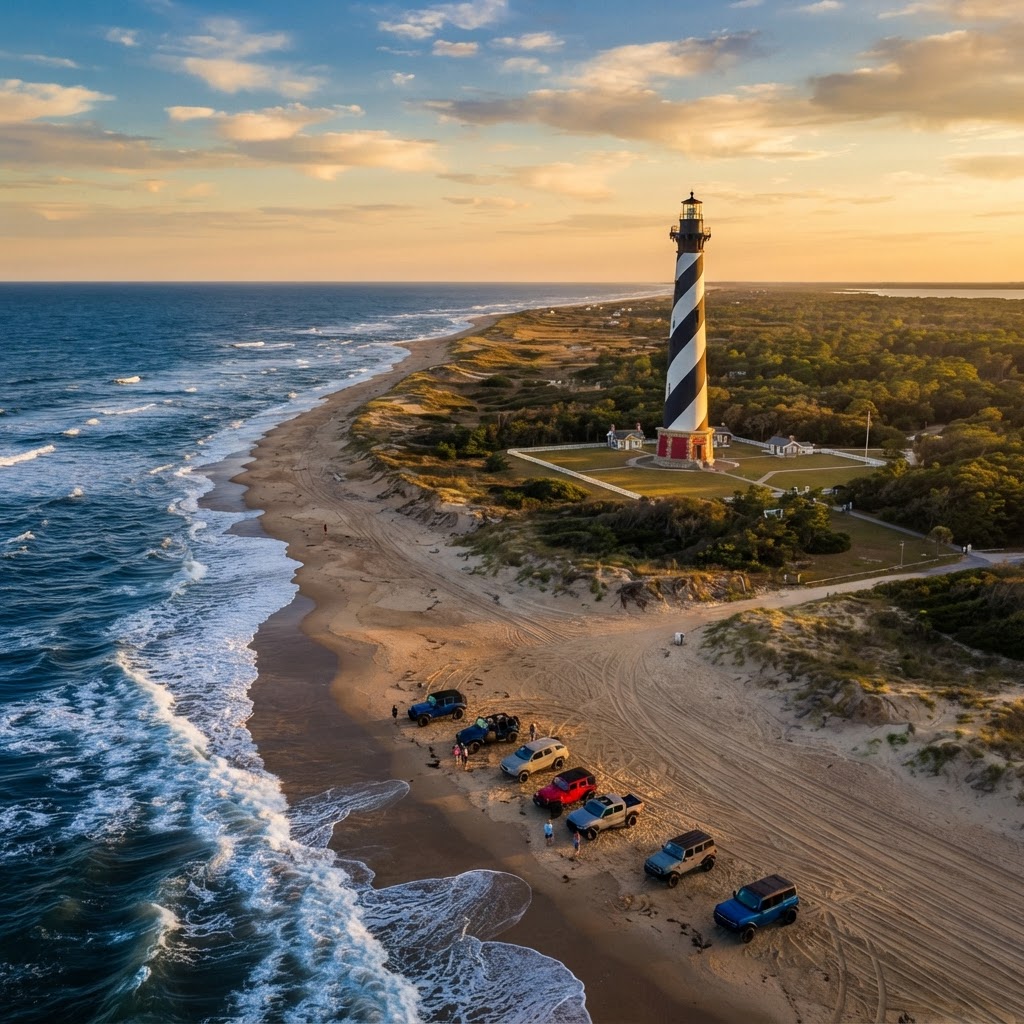
August at the Cape Hatteras National Seashore is defined by shifting sands and the relentless energy of tropical systems brewing in the Atlantic. By this time of year, the "soft" sand often deepens significantly due to the lack of heavy rainfall and the sheer volume of traffic throughout June and July. You’ll find the beaches wide, but the entrance points—the ramps themselves—often feature significant "teeth" or drop-offs where the pavement meets the dunes.
The water is at its warmest, and the bite is often best in the early dawn or the lingering twilight. However, this is also the period where the National Park Service (NPS) enforces the most rigid wildlife protections. You aren’t just driving on a beach; you’re navigating a living, breathing ecosystem that is currently playing host to nesting sea turtles and migrating shorebirds. Keep your eyes on the mile markers and your tire pressure low, because in August, the sand doesn't forgive.
Priority Ramps: The 6:30 AM Early Access Advantage
If you want to beat the heat and the crowds, you have to embrace the early bird rhythm. During the summer season, many of the most popular ORV ramps in the Cape Hatteras National Seashore (CHNS) open to vehicle traffic at 6:30 AM.
Why bother with the sunrise alarm? First, the sand is firmest before the sun hits its zenith, making your transit significantly easier on your drivetrain. Second, the primo spots—the ones closest to the best fishing structures or the secluded breaks—are claimed by 8:00 AM.
- Ramp 4 (Bodie Island): This is your gateway if you’re coming from the north. It’s frequently used by surfcasters looking for channel edges.
- Ramp 43 & 44 (Buxton/Cape Point): These are the crown jewels of the seashore. They offer the most direct access to the Point. In August, these ramps fill up quickly. If you arrive at 8:00 AM, expect to be relegated to the secondary parking rows.
- Ramp 49 (Frisco): Often less chaotic than the Buxton ramps, Frisco is a fantastic spot to spend the day.
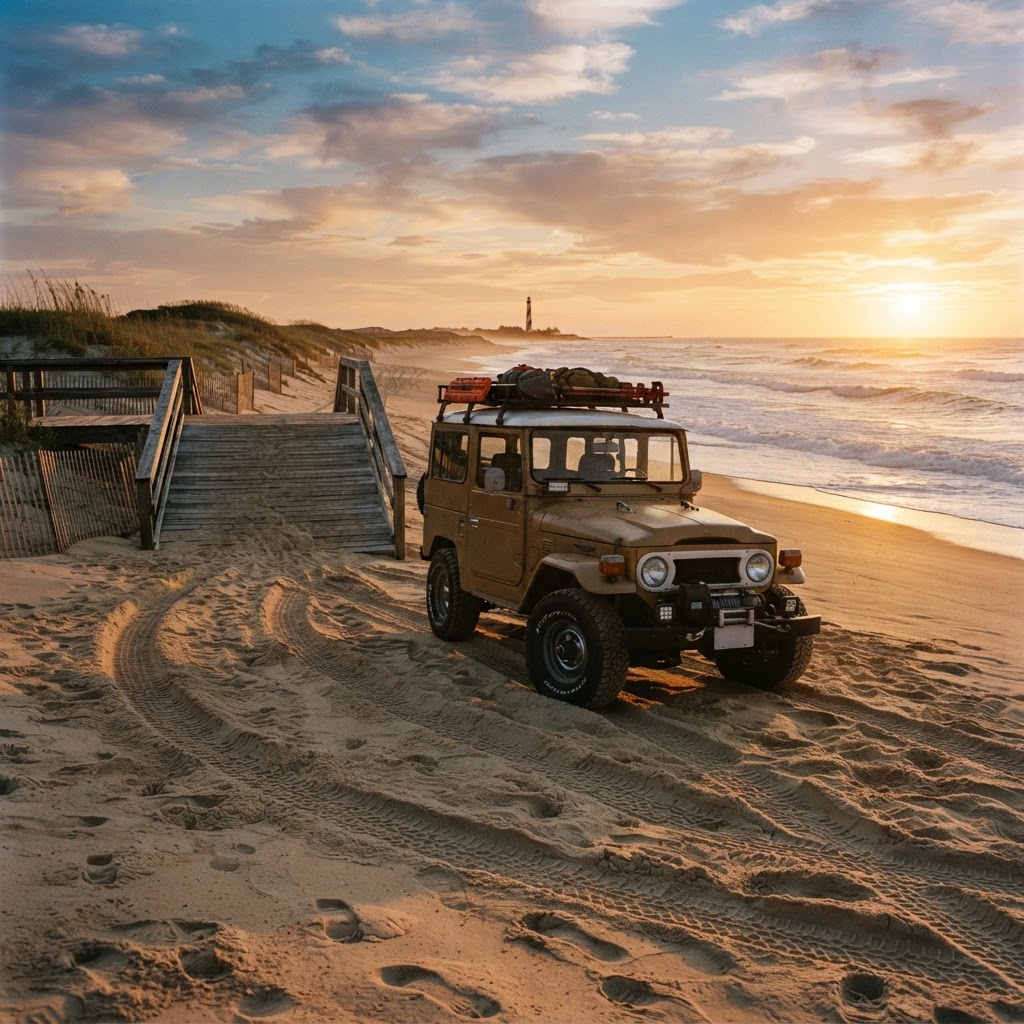
When you’re out on the sand before the rest of the island has finished their coffee, there’s no better feeling than pulling on a Sunset Surf Run T-Shirt and watching the horizon turn violet and gold. The breathable fabric handles the humidity, and the graphic fits the aesthetic of a morning spent chasing the tide.
Navigating Night Driving Restrictions and the 9 PM Curfew
The rules for after-dark driving are strict, and they exist for a reason: the turtles. From May through September, the Cape Hatteras National Seashore prohibits ORV use from 9:00 PM to 6:00 AM.
This isn't a suggestion—it's a hard shutdown. You need to be off the beach and parked at your accommodation before the clock strikes nine. The NPS rangers are diligent, and citations for late driving are common and expensive. The rationale is the protection of hatchlings; light pollution from headlights can disorient baby turtles trying to make their way to the ocean.
If you’re planning a late dinner or a bonfire, factor in your travel time back to the nearest paved road. If you’re caught on the sand at 9:01 PM, you’re looking at a ticket. Play it smart: pack up, clear your gear, and ensure your site is left cleaner than you found it.
Understanding Seasonal Wildlife Closures for Sea Turtles and Birds
August is the peak of the sea turtle nesting season. You will frequently encounter "buffer zones" marked off by wooden stakes and orange netting. These are no-go areas.
- Sea Turtle Nests: These are usually marked with signs indicating a nest site. Never walk inside the staked area. If you see a turtle—or worse, hatchlings—do not approach them, do not take flash photography, and keep a significant distance.
- Shorebird Closures: By late August, the focus shifts slightly toward migrating shorebirds. You’ll notice sections of the beach closed to both vehicles and pedestrians. These areas are vital for birds to rest and refuel before their long migration south.
Check the Cape Hatteras National Seashore’s daily beach access page every morning. A ramp that was open yesterday might be closed this morning due to a nest hatching or a high-tide event. Flexibility is the key to a successful OBX excursion.
How to Secure Your Cape Hatteras ORV Permit Online
You cannot drive on the beach without a permit. Don’t even try to play the "I didn't know" card—it won’t fly with the rangers.
- Visit Recreation.gov: The permit system is entirely digital.
- Choose Your Term: You can opt for a 7-day pass or an annual pass. If you plan on visiting the Outer Banks more than twice a year, the annual pass pays for itself quickly.
- Watch the Educational Video: It takes about 10 minutes and covers the basics of safety, tire pressure, and environmental stewardship.
- Print or Save: You must have a physical or digital copy of your permit with you at all times. If you print it, keep it in a waterproof sleeve.
Display your permit on your dashboard whenever you are parked on the beach. If you’re driving, have it easily accessible for a ranger to scan if requested.
Essential Gear and Airing Down Tips for Late Summer Sand
The cardinal rule of OBX driving is simple: Air down. If you attempt to drive onto Hatteras sand at street pressure (35–40 PSI), you will get stuck. It’s as simple as that.
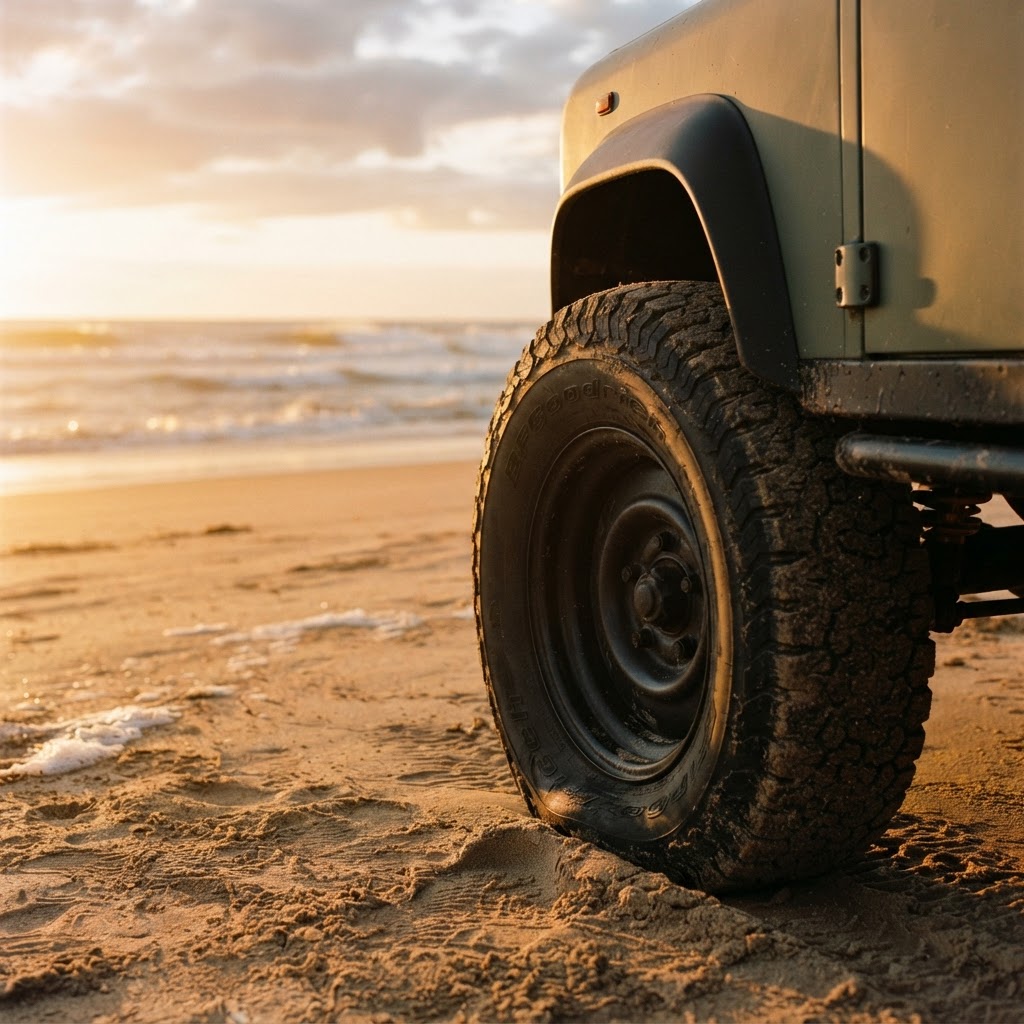
- The Magic Number: Aim for 18–20 PSI. This increases your tire’s footprint, allowing you to "float" on top of the sand rather than digging into it.
- Carry a Gauge: Don’t guess. Use a high-quality tire pressure gauge.
- Recovery Kit: At a minimum, you should have a shovel, a kinetic recovery rope, a jack, and a board (or MaxTrax-style boards) to place under your tires if you find yourself bogged down.
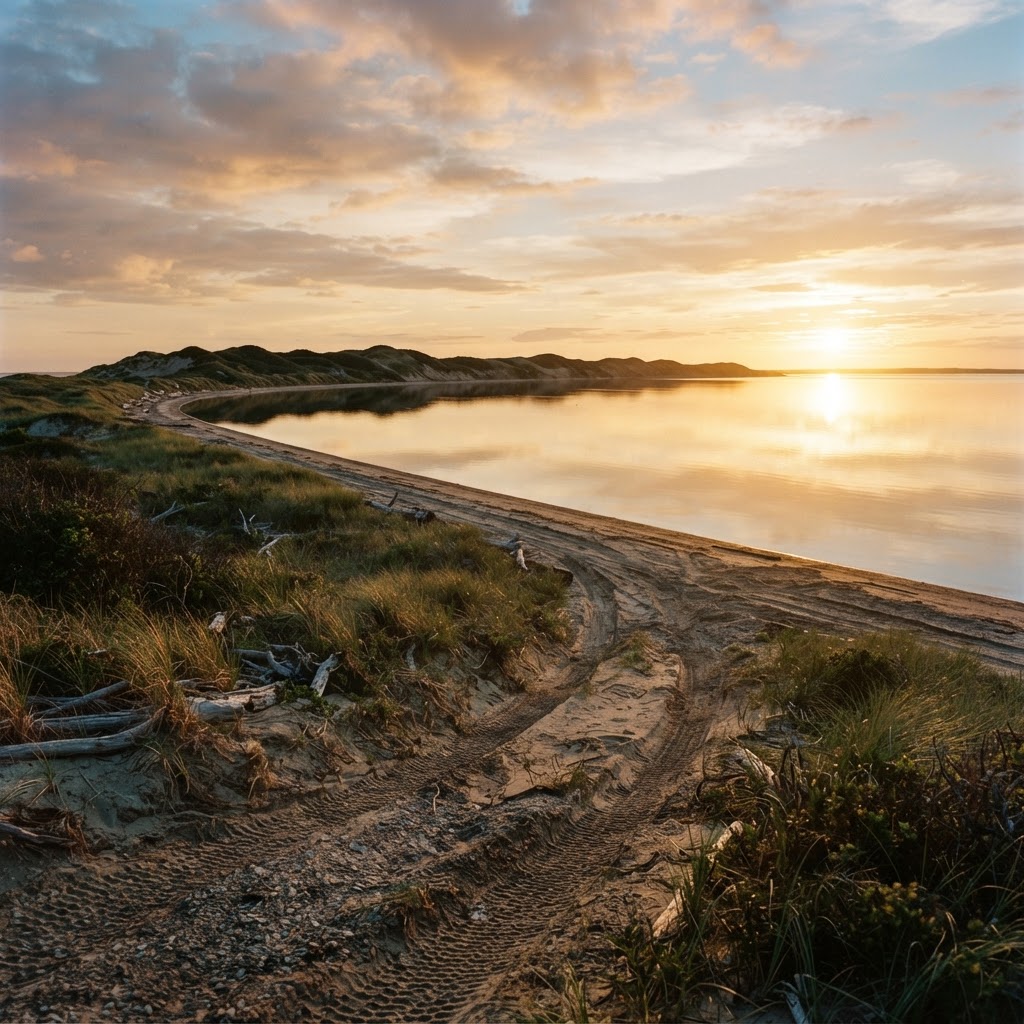
- Stay in the Ruts: If other vehicles have created ruts, follow them. They are already packed down and offer much less resistance than the loose, fluffy "sugar sand" near the dunes.
After a long day of navigating the dunes and waiting for a strike on your fishing line, there’s nothing quite like returning to your campsite or rental porch. We like to end the day with a cold beverage in an Off-Road Tropical Sunset Beer Pint Glass. There’s a specific satisfaction in looking out at the ocean, knowing your truck is safely parked, and toasting to a day where you successfully navigated the salt, the sand, and the shifting tide.
August requires patience, respect for the wildlife, and a healthy dose of mechanical sympathy for your vehicle. Keep your speed low, your tires aired down, and your focus on the horizon. The Outer Banks aren't going anywhere, but in August, they demand you take them on their own terms.