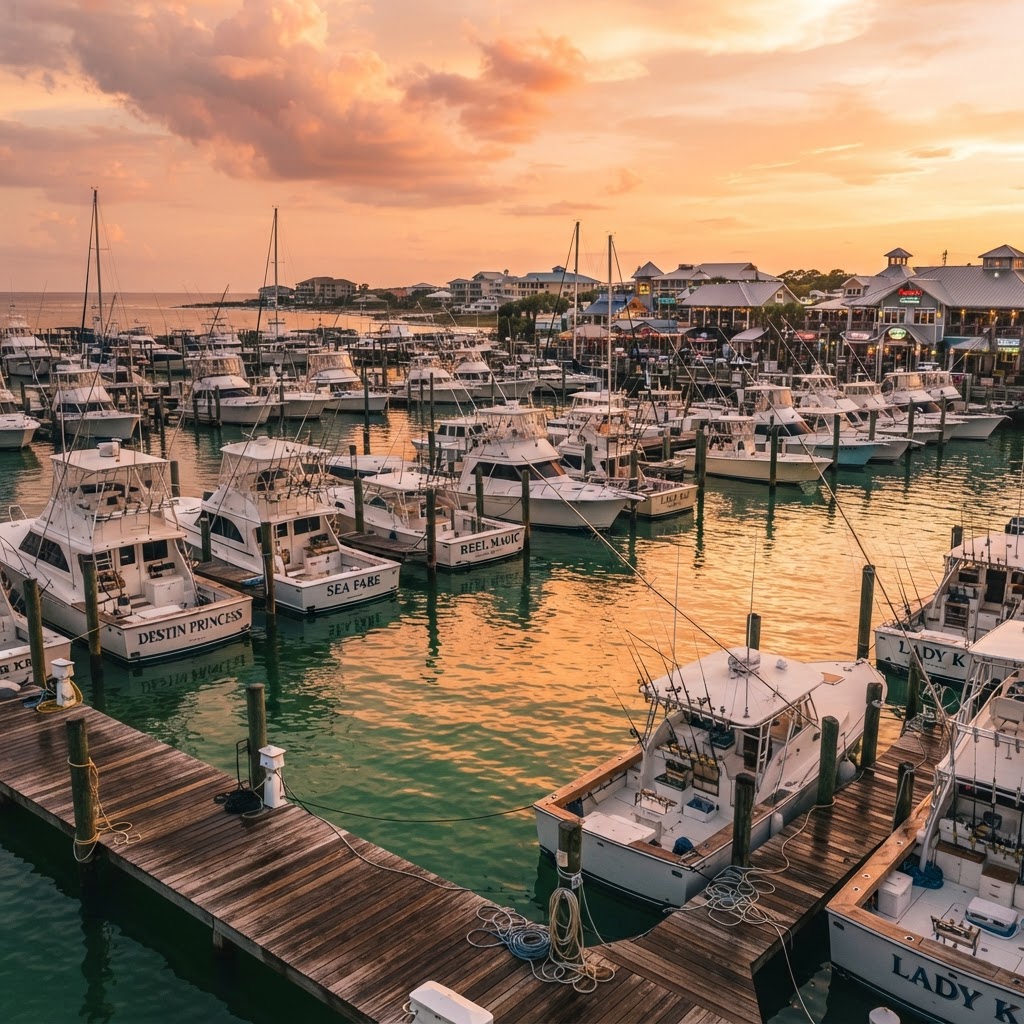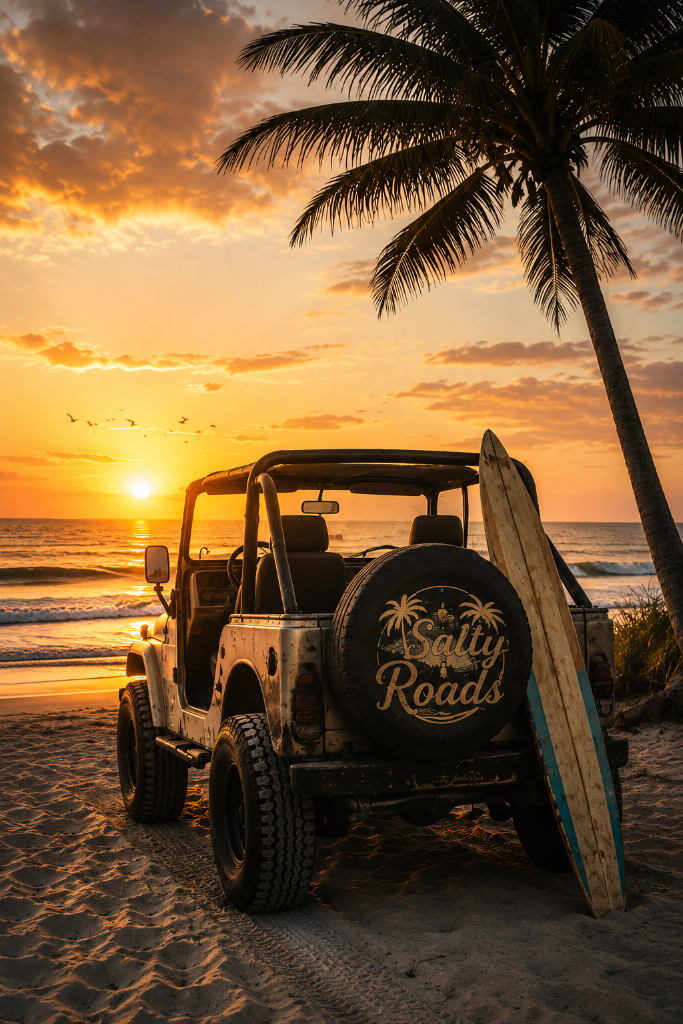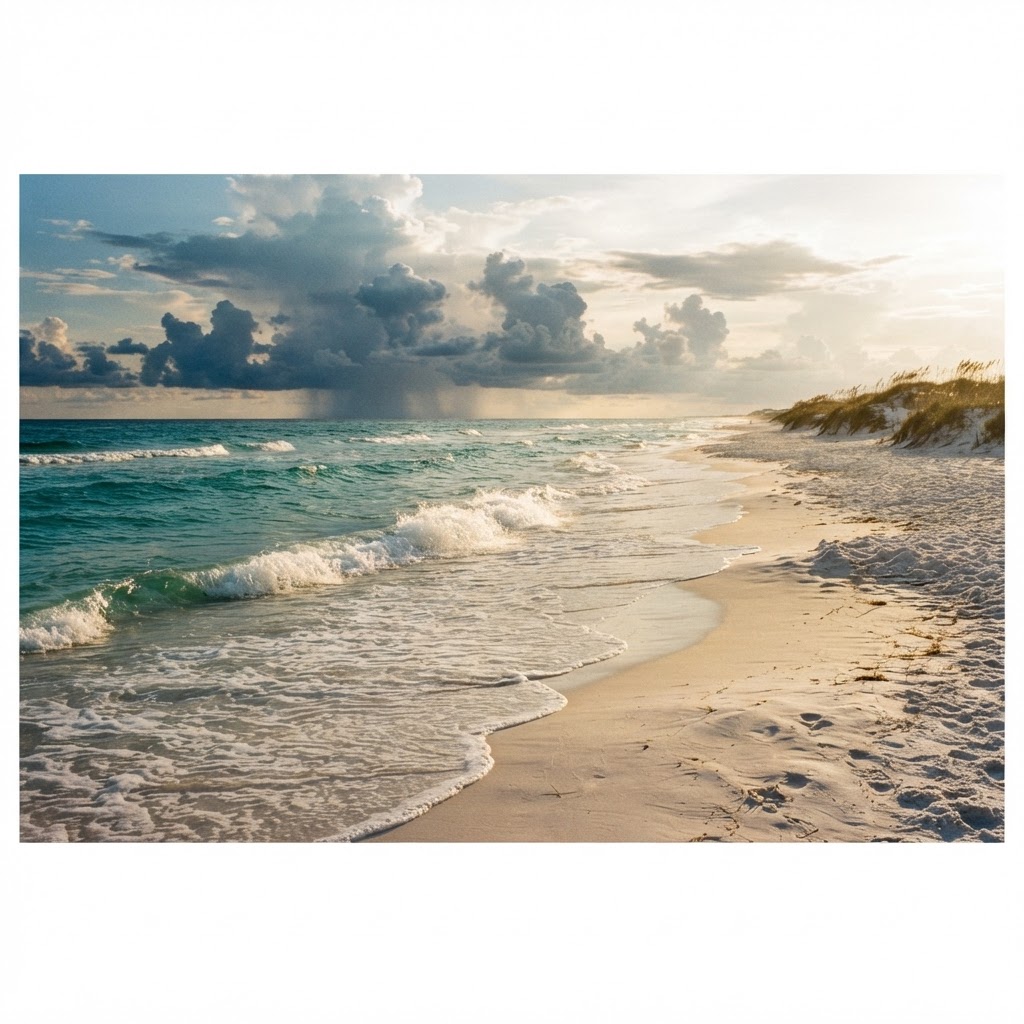
Late summer on the Emerald Coast is a distinct season defined by high-octane humidity, crystalline waters, and the rhythmic cycle of tropical squalls that keep the landscape lush. Whether you are prepping your Jeep for a cruise down Scenic Highway 98 or scouting the perfect dunes near Henderson Beach, understanding the nuances of the Destin climate is the difference between a washout and a legendary vacation.
The Magic of Late Summer on the Emerald Coast
August in Destin isn't for the faint of heart; it’s for those who want their summer served at maximum intensity. By mid-August, the vacation crowds are beginning to thin, but the atmosphere remains electric. The air feels heavy with salt and anticipation, and the sunsets—often bruised with purple and gold after a passing thunderstorm—are arguably the most dramatic of the year. For the coastal purist, this is the time when the rhythm of the tide feels like the only clock that matters. It’s a season of long, slow afternoons, cold beverages, and that unmistakable feeling of sand permanently embedded in your floor mats.
Breaking Down Destin Florida August Weather and Air Temperatures
If you are planning a trip to Destin in August, you need to prepare for heat that settles in deep. Average daily highs hover right around 89°F to 91°F, but the real story is the heat index. Because of our humidity, it is not uncommon for it to "feel like" 105°F by mid-afternoon.
The heat isn't a deterrent, though; it’s an invitation. When the air is this thick, the only logical place to be is submerged. You’ll find the morning hours—before 10:00 AM—are the best time for anything active, whether that’s hitting the trails in a 4x4 or taking a long walk along the jetty. By noon, the sun is unrelenting, which is exactly why we recommend throwing on your Salty Roads Island Escape T-Shirt for its breathable, moisture-wicking feel as you transition from the dunes to the deck.
Gulf Water Conditions: Plunging Into 85-Degree Bathwater
The Gulf of Mexico in August is often described as "bathwater," and it isn't an exaggeration. Surface temperatures consistently hit 85°F to 87°F. While you won't get that "refreshing" jolt you might find in the Atlantic, you gain the ability to stay in the water for hours without ever getting a chill.
This water temperature is perfect for long snorkeling sessions near the Destin Jetties or just floating while watching the charter boats head out to the deep water. However, keep in mind that these warm temperatures can occasionally lead to algae blooms near the shore. If the water looks murky or you see warning signs posted by the city, listen to them—they are looking out for your safety.
The Daily Afternoon Shower: How to Time Your Beach Days
Anyone who has spent a summer in the Florida Panhandle knows the routine: the sky darkens around 2:00 PM, the wind picks up, and a torrential downpour descends for roughly 30 to 45 minutes. This isn't a sign your vacation is ruined; it’s a sign the ecosystem is doing exactly what it needs to do.
The smartest way to handle these showers is to embrace them. Treat the 2:00 PM to 3:00 PM window as your "siesta." Head off the sand, find a shaded beach bar, and pour a cold one into your 16oz Tropical Off-Road Adventure Beer Pint Glass while the rain hammers the roof. By the time you’ve finished your drink, the sun is usually back out, the humidity has dropped a fraction, and the sand is cool underfoot. It’s the ultimate reset button for a beach day.
Understanding Destin's Beach Flags (And Why Yellow is So Common)
Destin takes beach safety seriously, and you should too. The flag system is non-negotiable. Even on a beautiful, sunny August day, you will frequently see a Yellow Flag flying.
- Green: Low hazard.
- Yellow: Medium hazard (moderate surf/currents). This is the default in August; don't be alarmed, just be alert.
- Red: High hazard (high surf/strong currents). Do not enter the water.
- Purple: Marine pests (jellyfish or other stinging critters).
- Double Red: Water closed to the public.
Yellow flags are common in August because of the shifting sandbars and the influence of the tides moving through the passes. If you see yellow, it means you should keep your feet firmly planted if you aren't a strong swimmer, and never turn your back on the surf. Respect the Gulf, and it will respect you back.
What Changes in September: Cooling Trends and Tropical Weather Watch
September is a transitional month. Toward the latter half of the month, the air loses that oppressive, heavy weight, and you might even catch a morning breeze that carries a hint of "cool." The Gulf water stays warm, but the daily thunderstorms become less frequent and less intense.
However, September is also peak Atlantic hurricane season. While Destin is often spared the direct hits, the "outer bands" of distant storms can create dangerous rip currents and high surf conditions. Always check the National Hurricane Center updates if you are traveling in late September. It is the best month for solitude, but it requires a bit more situational awareness regarding the horizon.
How to Pack for Destin's Shifting Late Summer Climate
Packing for late summer in Destin is about versatility. You need gear that handles the sun, the salt, and the sudden, heavy downpours.
- The Daily Uniform: Stick to lightweight, synthetic, or high-quality cotton blends. My go-to is the Salty Roads™ Chase the Horizon Beach Cruiser Tee—it’s comfortable enough for a morning drive on the beach and quick-drying if you get caught in an afternoon squall.
- Footwear: Leave the heavy boots at home. You need sandals with good traction (think rugged straps) and a pair of water-friendly shoes for rocky areas like the jetties.
- The "Rain Kit": Keep a lightweight, packable rain shell in your beach bag. Even when it’s 90 degrees, that short burst of rain can leave you shivering if you’re wet.
- Sun Protection: August sun in Destin is different. The UV index is high, and the reflective nature of our white, quartz sand means you get a "double burn" from above and below. Bring a wide-brimmed hat, polarized sunglasses, and reef-safe sunscreen.
As the sun begins its descent, whether you’re sitting on the tailgate of your rig or tucked into a corner at a local harbor restaurant, keep an eye on the clouds. The late summer light in Destin turns the sky into a canvas of fire, and there is no better way to end a long, humid day than watching the horizon turn from bright blue to a deep, salty indigo. Just remember: keep your gear dry, your head on a swivel, and your glass full. The Emerald Coast is waiting.