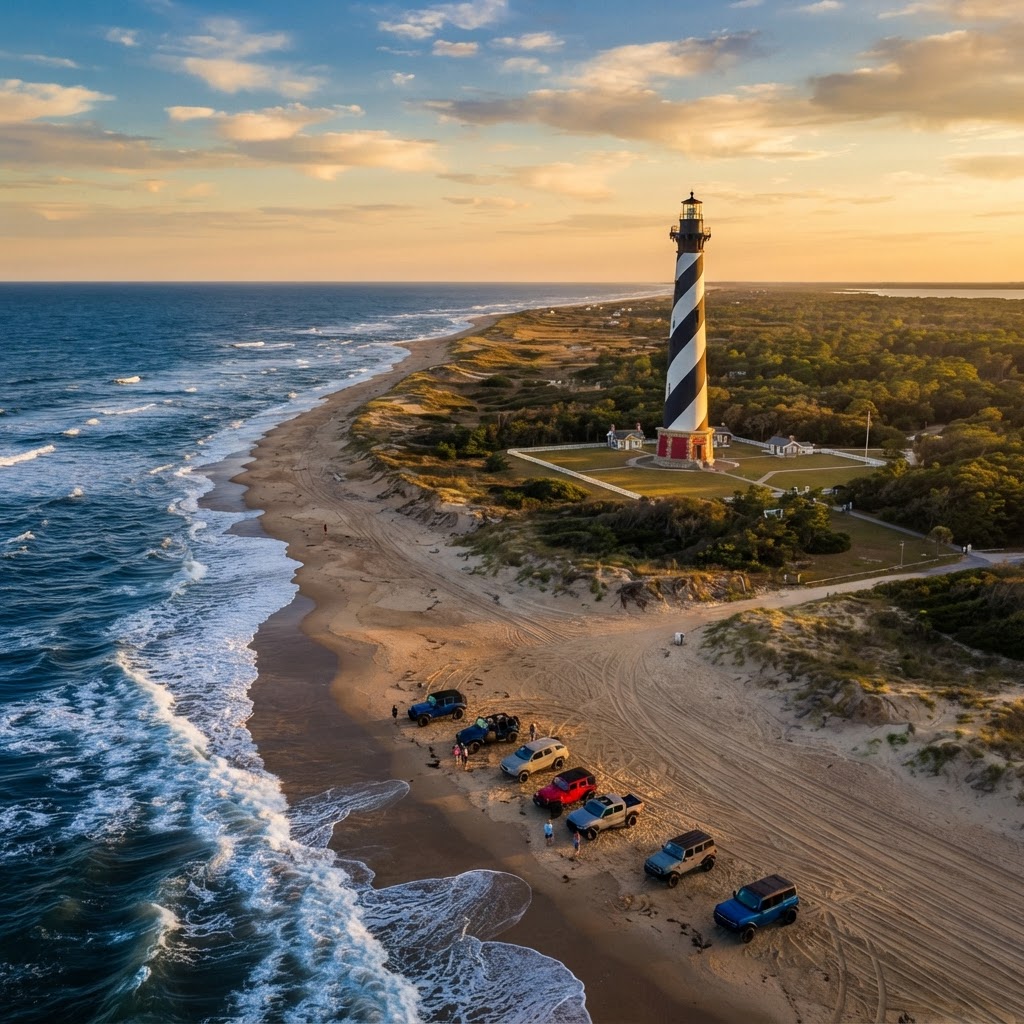
The humidity of summer has finally retreated, leaving behind crisp, salt-crusted mornings and the promise of epic battles in the wash. For those of us who live for the transition of the seasons, Cape Hatteras in the fall isn’t just a fishing destination—it’s a pilgrimage.
Why Fall is the Ultimate Season for Cape Hatteras Surf Fishing
When September rolls into October, the Outer Banks undergo a profound transformation. The tourists have thinned, the water temperatures are cooling toward the mid-60s, and the bait schools—menhaden, mullet, and spot—begin their southward migration. This "bait ball" frenzy acts as a dinner bell for the apex predators of the Atlantic coast.
Unlike the dog days of summer, where you might be relegated to fishing at 3:00 AM to avoid the heat, fall allows you to keep a rod in the water during the golden hours of dawn and dusk. The migratory pattern of the Red Drum, or "Channel Bass," brings the biggest fish of the year within casting distance of the dunes. It is the time of year when your drag sings a melody that can be heard over the crashing surf, and your arms will ache in the best way possible.
Navigating 4x4 Beach Access and Outer Banks ORV Permits
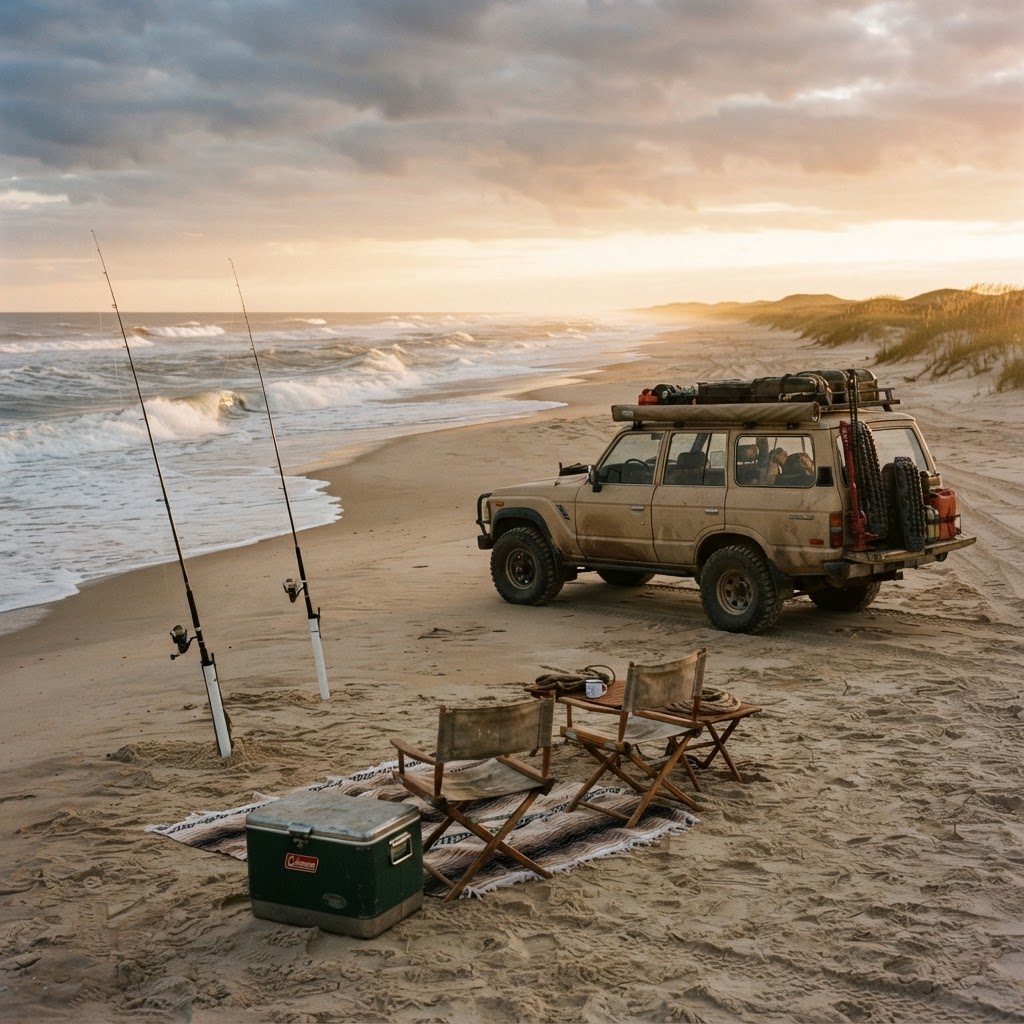
Cape Hatteras National Seashore is one of the few places left where your Jeep is an extension of your fishing setup. However, the National Park Service (NPS) strictly regulates access. Before you air down your tires, you must secure an Off-Road Vehicle (ORV) permit. These are available online through Recreation.gov and are mandatory for driving on the beach.
The Golden Rules of Sand Driving
- Air Down: Never hit the sand at street pressure. Drop your tires to 18–20 PSI. It creates a longer footprint, prevents you from digging in, and saves your drivetrain from unnecessary stress.
- Keep Momentum: If you see the sand turning soft or sugar-like, keep a steady, constant speed. Avoid sudden braking or hard acceleration, which will bury your axles faster than you can say "recovery gear."
- Check the Beach Map: Access ramps (marked by Ramps 2 through 72) change daily based on nesting closures and erosion. Check the NPS website every morning for "current beach conditions" before heading out.
Targeting the Legendary Autumn Bull Red Drum Run
The "Bull" Red Drum—those massive, bronze-backed fish exceeding 40 inches—are the prize of the fall. To land one, you need to abandon the finesse gear and size up significantly.
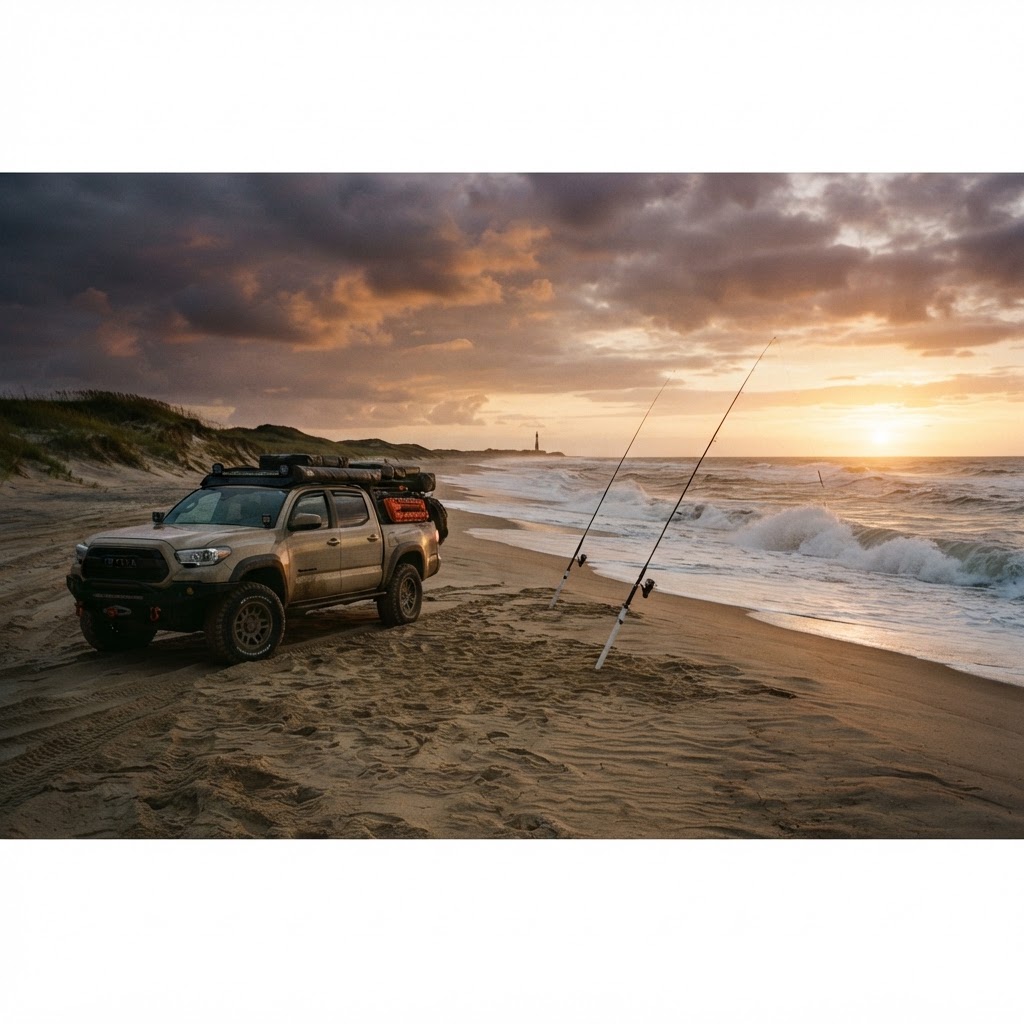
Focus your efforts around the inlets and the deep sloughs located between the sandbars. Use a heavy-duty 10 to 12-foot surf rod paired with a high-capacity spinning or conventional reel spooled with at least 20lb–30lb monofilament or braid. Your go-to rig should be a "fish-finder" rig: a heavy pyramid or breakaway sinker (4 to 8 ounces depending on the current) attached to a slider, followed by a heavy mono leader (60lb–80lb test) and a 9/0 or 10/0 circle hook.
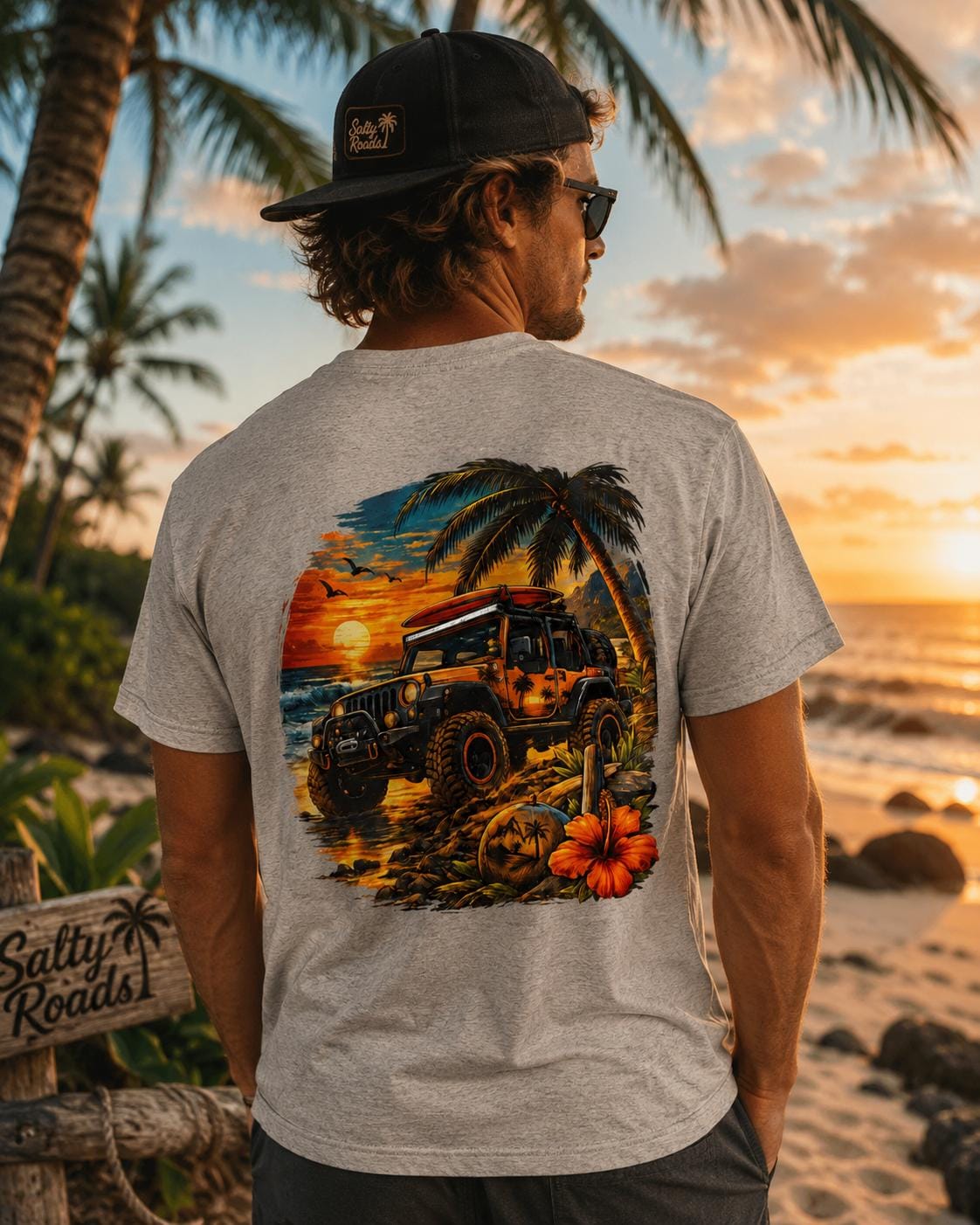
For bait, nothing beats fresh-cut mullet or bluefish. If the blues are running, they are the best bait you can find on the beach—the oily, bloody scent drives the big Drum crazy. While you wait for a knock-down, keep your focus on the water. If you’re wearing the Sunset Surf Run T-Shirt – Off-Road Beach Adventure Graphic Tee, you’ll at least look the part of a seasoned local while you watch the tips of your rods for that tell-tale twitch.
Essential Surf Fishing Gear and Rigs for the Carolina Coast
Beyond the rod and reel, your kit needs to be durable enough to survive the relentless salt spray.
- Sand Spikes: Don't settle for cheap plastic rod holders. Use heavy-duty, stainless or aluminum sand spikes that go deep into the sand. You want your rod tips elevated to keep your line out of the breaking waves.
- The Tackle Box: Keep it minimal. A small, water-resistant bag containing extra leaders, crimpers, a sharp fillet knife, and a selection of sinkers is all you need.
- Safety Gear: Always carry a shovel, a recovery strap, and a tire pressure gauge. If you find yourself buried, being able to dig out and re-inflate before the tide turns is the difference between a successful trip and a very expensive tow.
Overlanding Safari Style: Upgrading Your Beach Tailgate
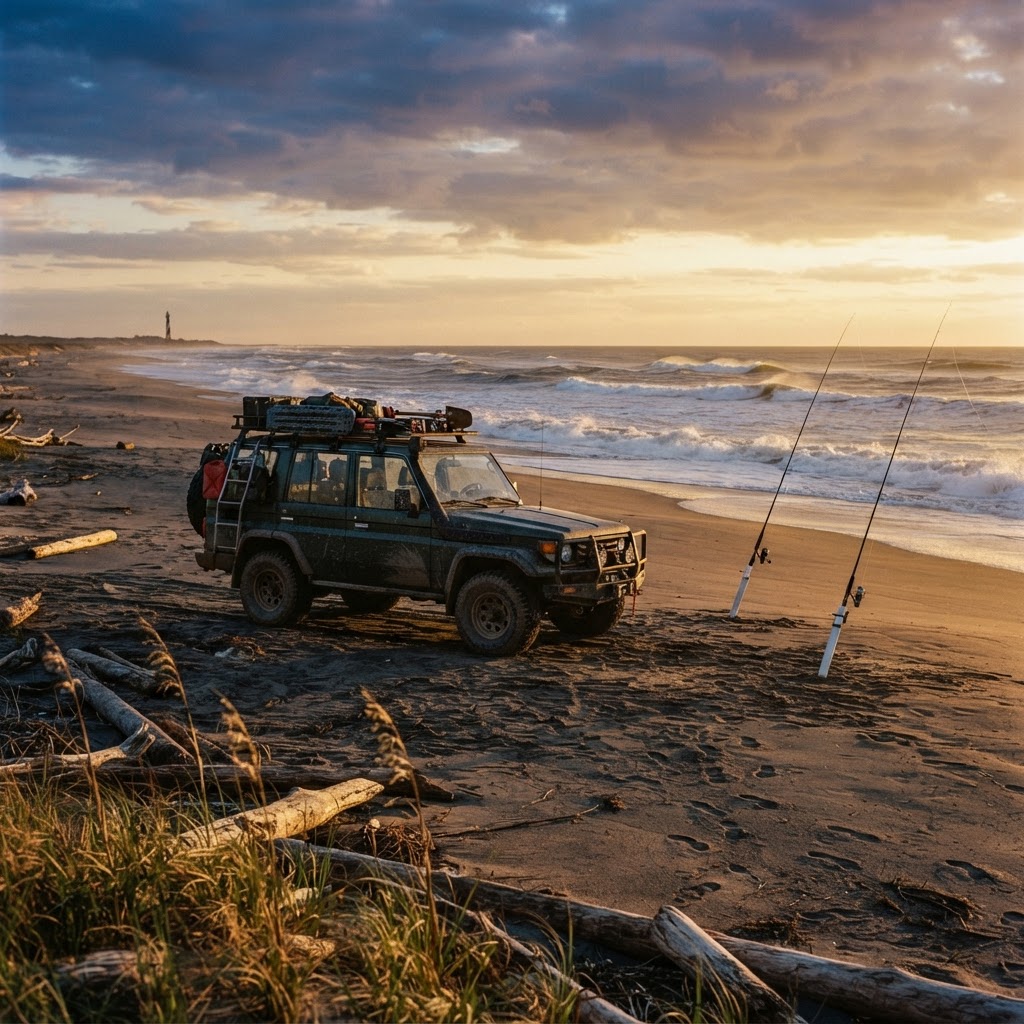
When you're miles from the nearest blacktop, your Jeep becomes your base camp. Overlanding isn't just about the rig; it's about the comfort you bring to the beach. A quality tailgate setup makes the long hours of waiting for a bite feel like a vacation.
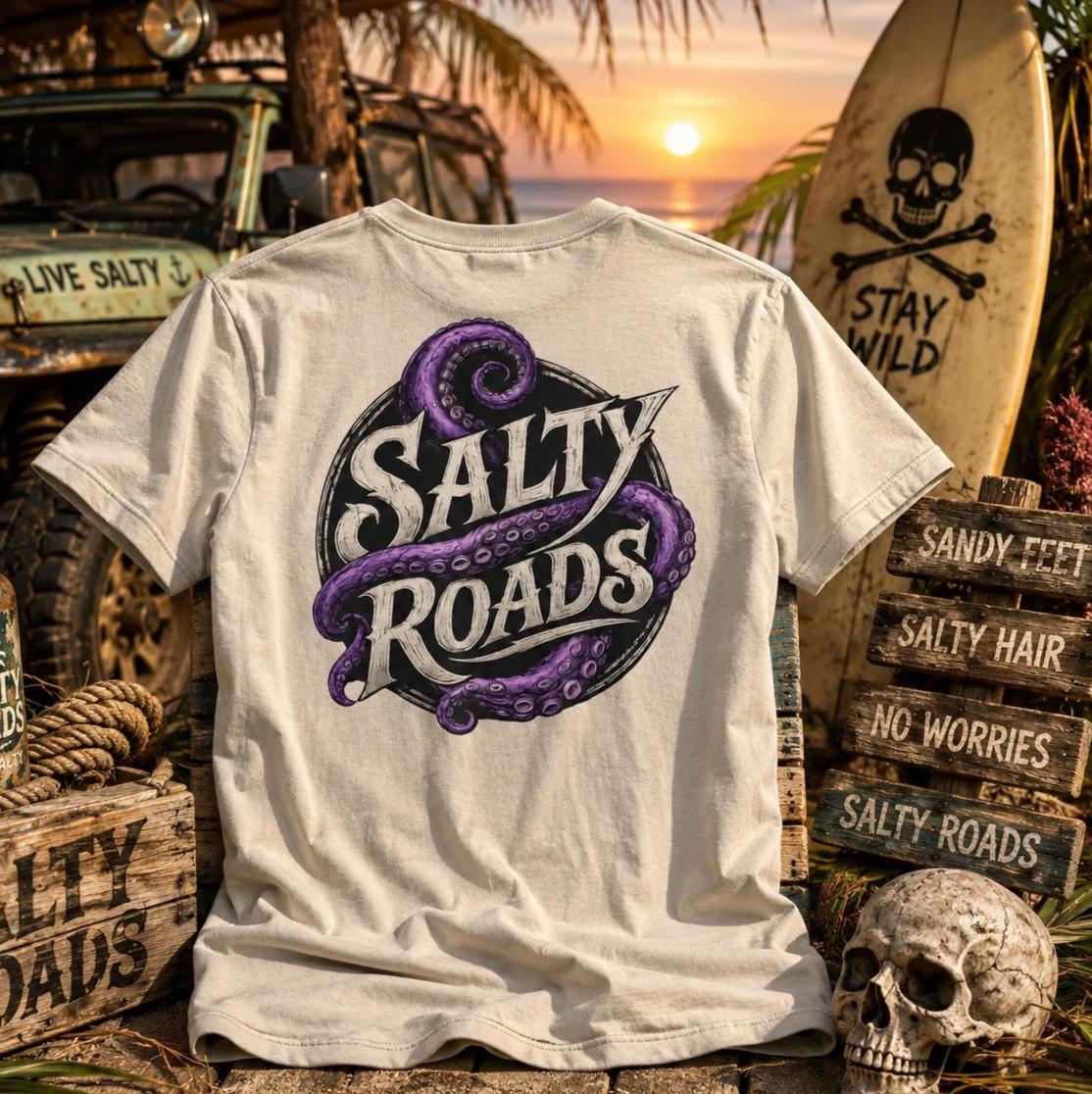
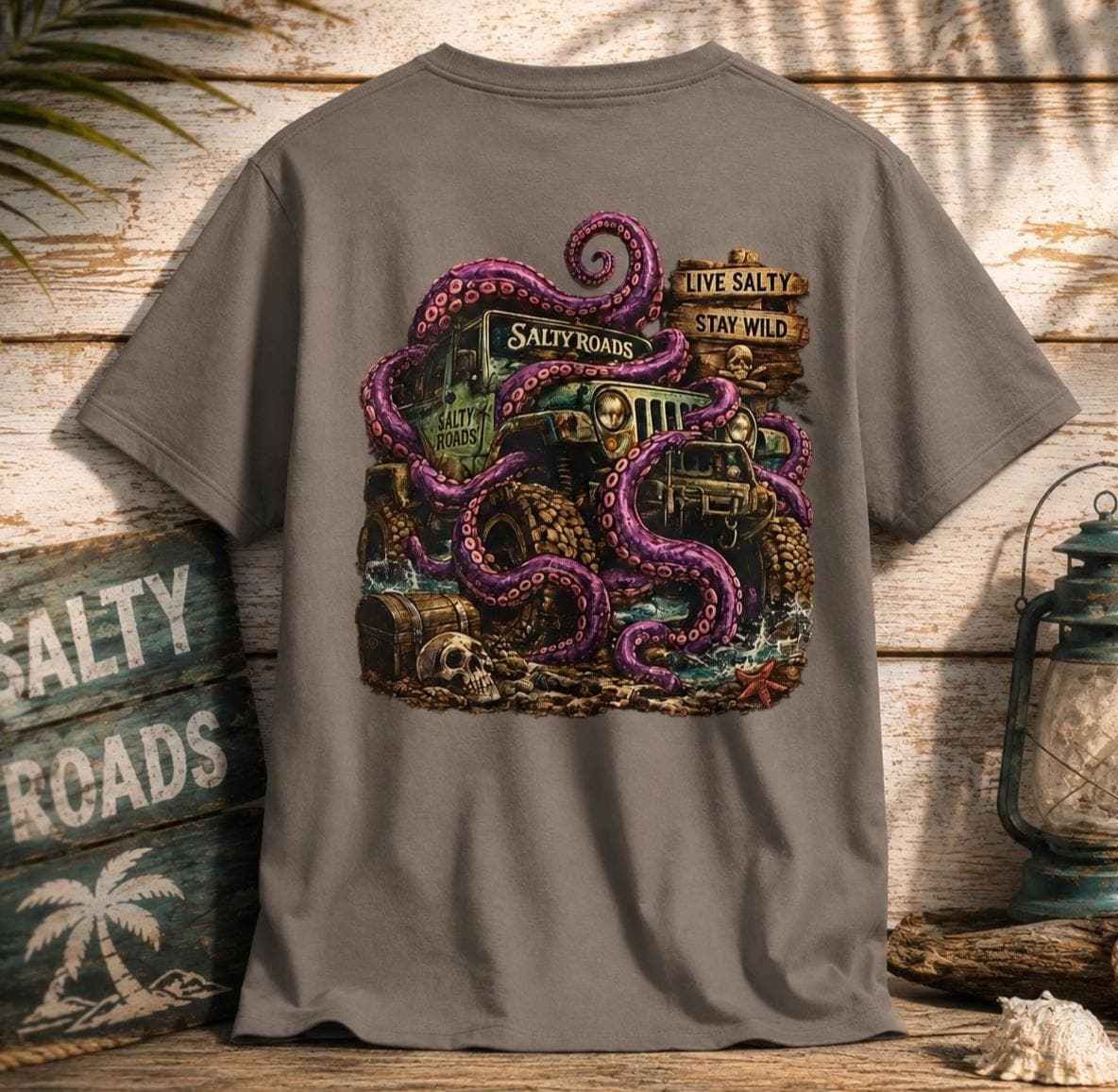
Transform your tailgate into a command center. I recommend a solid, drop-down table mounted to the interior of the tailgate. This provides a stable surface for re-rigging your lines or prepping bait. When the wind picks up, having a rugged, weather-resistant setup keeps your gear organized. And, let's be honest, there’s no better feeling than pulling up to a secluded stretch of sand, popping the hatch, and grabbing your gear out of a vehicle built for the salt. It’s an aesthetic that speaks to the freedom of the coast—a philosophy we embody with gear like the Salty Roads™ Kraken Edition T-Shirt, designed for those who aren't afraid to get a little mud—and sand—on their tires.
Post-Fishing Pints: Pouring Cold Ones on the Sand
There is a specific kind of satisfaction that comes after a day of hauling in big fish or fighting the wind. As the sun begins to dip behind the dunes, painting the sky in bruised purples and burnt oranges, it’s time to retire the rods.
For the true coastal lifestyle, the day doesn't end when the sun goes down; it transitions. Reach into your cooler for a well-deserved beverage and pour it into a Salty Roads™ - Dirty Roads & Cold Beer Pint Glass. There is something remarkably grounding about drinking a cold one while your boots are still buried in the sand and the sound of the Atlantic provides the soundtrack. Share your stories of the "one that got away" with your buddies, and toast to the resilience of the Hatteras coastline. Remember: if the glass is cold and the road was dirty, you’ve done the day right.
Leave No Trace: Protecting the Cape Hatteras National Seashore
We are guests on these barrier islands. The beach is a fragile ecosystem, and if we want these legendary Red Drum runs to continue for our children, we have to act like stewards of the land.
- Pack It In, Pack It Out: This includes fishing line. Monofilament is a death trap for sea turtles and shorebirds. If you cut a line, put every inch of it into your bag.
- Tread Lightly: Stay within the established ORV corridors. Avoid driving near the primary dunes, as they are essential for protecting the island from storm surges.
- Respect Wildlife: If you see "No Entry" signs due to nesting birds or sea turtles, respect them. These closures are vital for the survival of the species that make the Outer Banks unique.
Cape Hatteras isn't just a place to fish; it’s a culture. It rewards the prepared, the patient, and those who respect the power of the ocean. Pack your gear, respect the tide, and get out there before the season turns. The Bull Drum are waiting.